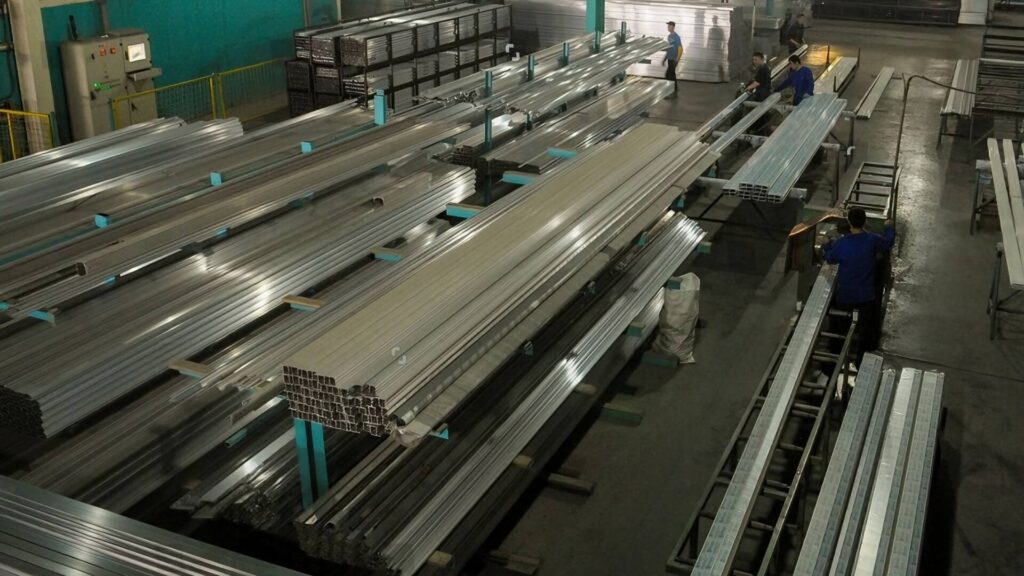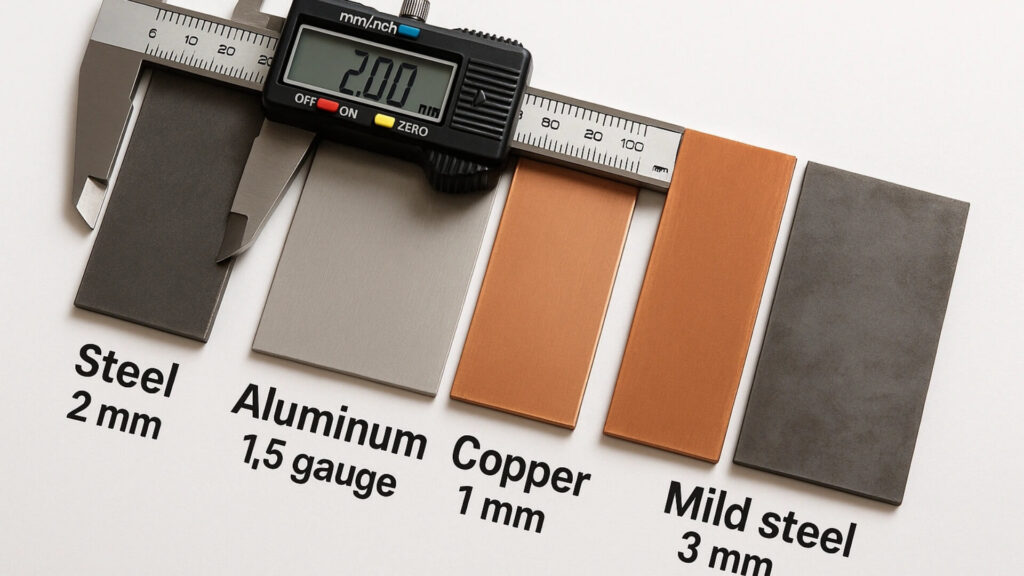
You have a design ready, but now you face a costly choice: waterjet or laser cutting? Pick the wrong one, and you will waste time, ruin your material, or blow your budget.
Here at ShincoFab, our factory floor runs both high-power fiber lasers and heavy-duty waterjets daily. I have personally overseen thousands of custom sheet metal fabrication runs for our clients. We know exactly where each machine shines and where they fail because we deal with the physical results—and the cleanup—every single shift.
In this guide, I will skip the technical jargon and give you the hard facts straight from the ShincoFab production line. You will learn our actual thickness limits, the hidden cleanup costs we factor into your quotes, and the exact break-even point where one method becomes cheaper than the other.
By the end of this article, you will know exactly which machine to use for your next project.
The main difference between waterjet and laser cutting is that laser cutting uses extreme heat to melt thin metals at high speeds, while waterjet cutting uses high-pressure water and abrasives to cold-cut thick materials without heat damage. Lasers are cheaper and faster, while waterjets are better for thick, heat-sensitive, or reflective materials.

How to Choose Between Waterjet and Laser Cutting
To make the right choice for your project, you first need to understand the physical mechanics of how each machine actually cuts your material on our shop floor.
How Laser Cutting Works (The Power of Heat)
Think of a laser cutter as a highly focused, incredibly powerful magnifying glass. It uses concentrated thermal energy to melt or vaporize your material.
At ShincoFab, we utilize modern fiber lasers that pack a serious punch. Here is a breakdown of their actual factory specs.
- High Power: Our standard fiber lasers run between 6 kW and 12 kW, providing enough raw energy to cut a wide range of standard sheet metals efficiently.
- Intense Localized Heat: When the focused laser beam contacts the workpiece, it heats the material until it melts or vaporizes. An assist gas then helps remove the molten material from the kerf.
The laser cuts through metal quickly and leaves a very narrow kerf. However, because it relies on highly concentrated heat, certain heat-sensitive materials or thin sections may experience edge melting, discoloration, or distortion if the cutting parameters are not properly optimized.
How Waterjet Cutting Works (The Power of Erosion)
A waterjet takes the exact opposite approach. Instead of using intense heat, it uses high-pressure water mixed with abrasive garnet to erode the material. Think of it like a pressure washer on steroids.
- Massive Pressure: Our waterjet pumps force water through a tiny nozzle at pressures up to 60,000 psi.
- Supersonic Speed: The water-and-abrasive stream exits the nozzle at supersonic speed, rapidly grinding away the material along a narrow cutting path.
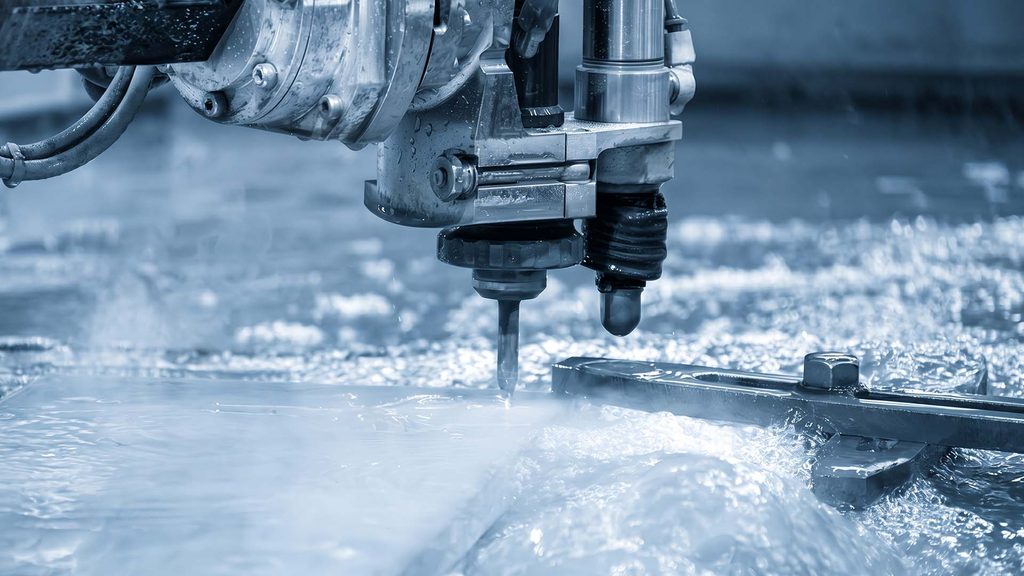
Because this is a cold-cutting process with no heat-affected zone, your part is protected from thermal melting, heat-related warping, and edge hardening. When a client comes to ShincoFab with strict no-distortion tolerances or heat-sensitive materials, this is the machine we route them to.
A Head-to-Head Comparison of the 4 Biggest Factors
When you are paying for custom parts, these four operational factors will ultimately make or break your project budget and timeline.
Laser vs. Waterjet Quick Comparison
| Metric | Laser Cutting | Waterjet Cutting | Winner |
|---|---|---|---|
| Max Steel Thickness | Up to 1 inch | 6 to 8+ inches | Waterjet |
| Cutting Speed | 70 to 100+ ipm | ~15 ipm | Laser |
| Kerf Width | ~0.006″ | ~0.030″ | Laser |
| Heat-Affected Zone (HAZ) | Up to 0.020″ deep | None (Cold process) | Waterjet |
1. What Materials Can Each Machine Cut?
Waterjets are our ultimate multi-tool at the factory. They can cut a massive variety of materials. Plastics, stone, rubber, and virtually any metal are fair game.
Lasers are much pickier. Because a laser is a beam of light, it struggles with materials that reflect light.
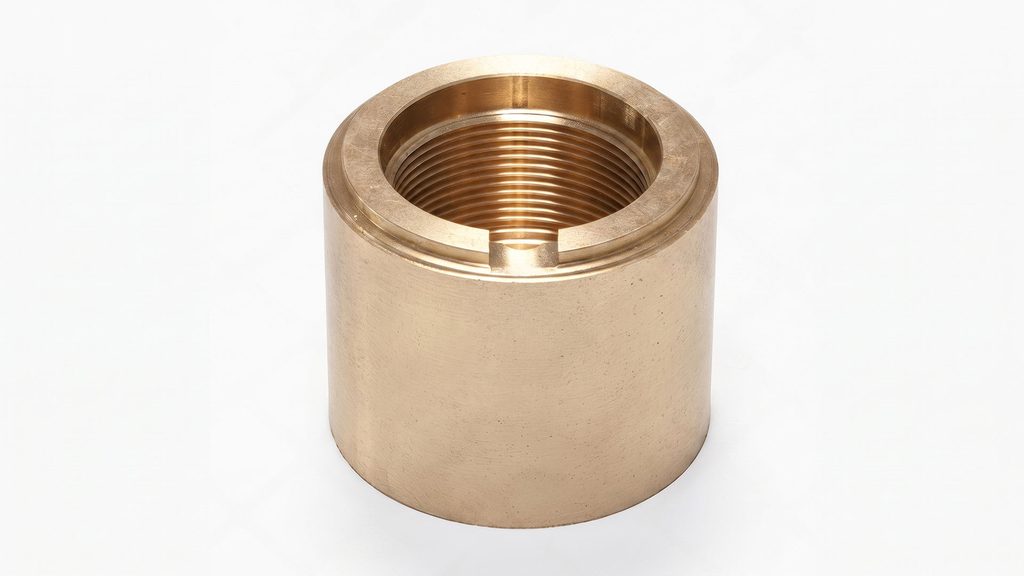
- The Reflection Risk: If a client asks us to cut highly reflective metals like pure copper, brass, or polished aluminum, we recommend the waterjet. Reflective surfaces can bounce the beam right back and destroy the laser’s expensive optics.
- The Fire Risk: Lasers struggle to cut wood or most plastics without risking a fire on our cutting bed or severely melting the part.
2. How Thick of a Material Can You Cut?
Thickness is where we see the most quoting mistakes from new clients.
A laser loses its focus and power as it pushes deeper into a material. At ShincoFab, we hit a hard wall at the 1-inch mark for steel when using lasers. Anything thicker than that turns into a melted, unacceptable mess.
A waterjet does not care about thickness. We routinely use our waterjets to blast through 6 to 8 inches of solid steel for heavy machinery components. If you need thick, chunky parts, our waterjet operators are the ones who will handle your project.
3. Will These Machines Ruin Your Part?
Both machines can produce highly accurate parts. But when cutting parameters are not properly optimized, they can affect parts in very different ways.
- Laser Failures (Heat): The laser’s kerf (cut width) is extremely narrow, often around 0.006 in. However, when our ShincoFab Quality Control team inspects laser-cut parts, they always account for the Heat-Affected Zone (HAZ) around the cut edge. The size and depth of the HAZ vary by material, thickness, laser power, cutting speed, and assist gas. On thin or heat-sensitive metals, excessive heat input can lead to distortion, discoloration, or hardened and partially melted edges.
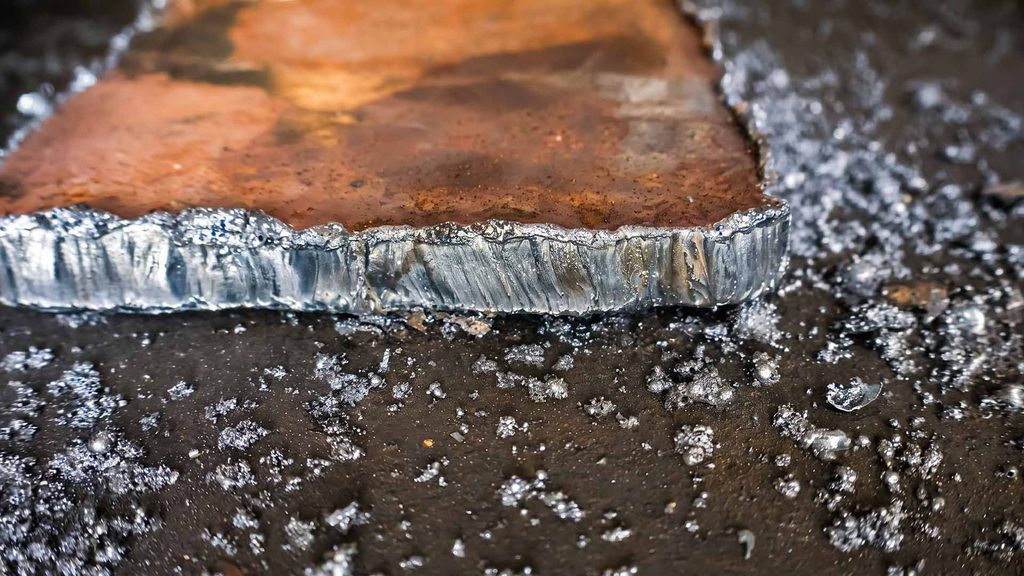
- Waterjet Failures (Pressure): Waterjets produce no heat-affected zone and have a wider kerf, typically around 0.030–0.040 in. for abrasive waterjet cutting. However, the high-pressure abrasive stream has its own considerations. Poorly laminated composites require appropriate piercing and cutting parameters to minimize delamination, particularly near the pierce point. When cutting fragile glass, frosting and micro-chipping can occur around glass cut edges, especially if abrasive size, cutting speed, support material, or splash-back control is not properly managed.
4. How Do Speed and Cost Affect Your Quote?
At ShincoFab, lasers are built for pure speed. They can zip through thin sheet metal at 70 to over 100 inches per minute (ipm). Our waterjets are much slower, plodding along at around 15 ipm depending on the thickness. Because lasers are so fast, they cost less per part in machine time.
The ShincoFab Break-Even Rule: If your metal is under 1/4-inch thick, our laser quote will be cheaper. Once you cross the 1/2-inch mark, the laser slows down so much that routing your project to our waterjet becomes the better deal.
3 Hidden Factors to Consider Beyond the Cut
Most people only look at the machine time. But to get the true quote for your project, you need to look at what happens after the part comes off our cutting tables.
The Machinability Question: Can You Drill It Later?
Do you need our CNC team to drill or tap holes in your part after it is cut? If so, pay close attention.
The intense heat of a laser creates a Heat-Affected Zone (HAZ). This heat literally hardens the edge of the metal. If you try to drill a laser-cut edge without heavy-duty tooling, you will likely snap your drill bit in half.
Because a waterjet is a cold process, it leaves the metal in its natural, soft state. If your ShincoFab project includes heavy machining after the cut, waterjet is your best friend.
What Hidden Labor Happens After the Cut?
The machine might be fast, but manual cleanup takes time. Both methods leave a mess behind that our shop floor technicians have to clean up.
- Laser Cleanup: Lasers melt metal. This often leaves hard, sharp drips of metal (called dross or slag) on the bottom edge. Our technicians have to grind this off by hand, which adds to your labor costs.
- Waterjet Cleanup: Parts come off our waterjet bed wet and covered in a thick, sandy mud. We have to wash and dry the parts immediately in our facility so they do not flash rust.
Scaling Up From 1 Part to 10,000 Parts
Are you making a single prototype or a massive production run?
Waterjets are fantastic for cutting one thick, complex part. But they are too slow for mass production. Lasers are the dominant choice for volume. Just last month, a ShincoFab client needed 5,000 brackets made from 1/8” aluminum. By designing the part for our fiber lasers instead of the waterjet, we cut their production time by over 70% and significantly lowered their cost per part. If you want to scale a business, design your parts for a laser.

Which Method Has a Better Eco-Factor?
Sustainability matters. Both machines have an environmental footprint, but the impact looks very different on our factory floor.
Lasers can consume substantial electricity, especially at high power levels. Depending on the material, coating, and cutting parameters, laser processing can also generate metal particulates and other airborne contaminants. That is why laser-generated air contaminants must be captured at the source through properly designed extraction and filtration equipment. Our facility also follows applicable OSHA ventilation requirements for cutting and heating operations.
Waterjets do not create a heat-affected zone during cutting, because they remove material through high-pressure water and abrasive erosion rather than intense heat. However, they consume water and generate a substantial physical waste stream. At ShincoFab, we safely collect and process used abrasive garnet and wastewater generated during cutting. Depending on the material being cut, used abrasive, sludge, and wastewater require appropriate disposal procedures before disposal or recycling.
Quick Pros and Cons
Let’s boil all of this down. If you are in a hurry, here is exactly what we tell our clients about both methods.
Laser Cutting Pros & Cons
Pros:
- Speed: Lightning fast. It zips through thin sheet metal faster than any other method we use.
- Cost: Budget-friendly. High speeds mean lower costs per part on your final quote.
- Precision: Extreme accuracy. The tiny laser beam allows for incredibly detailed designs.
- Scale: Mass production ready. It is the perfect tool for scaling up your orders.
Cons:
- Thickness: Severe limits. It struggles with steel over 1-inch thick.
- Heat: Edge damage. The HAZ hardens edges and makes secondary drilling difficult.
- Slag: Messy edges. Our team has to grind off melted metal by hand.
- Materials: Strict restrictions. It cannot cut highly reflective metals safely.
Waterjet Cutting Pros & Cons
Pros:
- Materials: Highly versatile. It handles solid steel, rubber, glass, stone, and plastics effortlessly.
- Heat: No thermal damage. You get no warping, no melting, and no hardened edges.
- Machinability: CNC friendly. It leaves a soft, raw edge that is easy for our CNC team to drill or tap later.
- Thickness: Extreme depth. It easily slices through 6 to 8+ inches of solid material.
Cons:
- Speed: Slow processing. It takes much longer to cut parts compared to our lasers.
- Cost: Higher pricing. Slower speeds and expensive abrasive garnet make it pricier per part.
- Cleanup: Messy process. Parts come out wet and covered in abrasive mud, requiring immediate washing.
- Kerf: Wider cuts. The thicker cut line makes it slightly harder to cut tiny, intricate internal details.
The Final Verdict on How to Choose
The bottom line from the engineers at ShincoFab is to default to laser cutting for speed and cost-savings—unless physics forces you to use a waterjet.
Laser cutting is simply faster, cheaper, and better suited for most standard metal projects. You should only upgrade to the slower, more expensive waterjet process if your material strictly demands it.
When You Should Pick Laser Cutting (The Default Choice)
Make the laser your go-to tool. It is the industry standard in modern manufacturing for a reason. You should choose laser cutting in the following scenarios.
- You are on a budget. The fast cutting speeds will save you a ton of money on machine time.
- You are cutting thin metal. Anything under 1/4-inch thick is a perfect match for a laser.
- You need to scale. If you are making 100, 1,000, or 10,000 parts, our lasers will churn them out in record time.
- You do not need to drill the edges. If your part is finished right off the machine, the hardened edge will not bother you.
When You Should Pick Waterjet Cutting (When Physics Demands It)
Sometimes, a laser is simply the wrong tool. That is when we fire up the heavy artillery. You should choose waterjet cutting in the following scenarios.
- Your material is thick. If you need to cut a 2-inch steel plate, our waterjet will slice right through it.
- You are cutting non-metals. Plastics, rubber, stone, and glass will melt or shatter under a laser.
- You are cutting reflective metals. Copper and brass will bounce a laser beam, but a waterjet cuts them easily.
- You need to machine the part later. If you plan to have us drill, tap, or mill the edges, you need the soft, raw edge that only a cold waterjet can provide.
Stop overthinking your next project. Look at your material, check your thickness, and pick the machine that gets the job done right.
Conclusion
Choosing between a waterjet and a laser cutter does not have to be a guessing game. At ShincoFab, we believe it all comes down to your specific material, your thickness, and your budget.
If you are cutting thin metal and want to save money, go with the laser. It is fast, cheap, and perfect for mass production. If you are cutting thick steel, reflective copper, or heat-sensitive plastics, the waterjet is your best bet.
Now that you know the facts from the factory floor, you can stop worrying about ruined parts and hidden costs. Grab your design, reach out to the ShincoFab engineering team, and let’s get your project moving on the right machine.