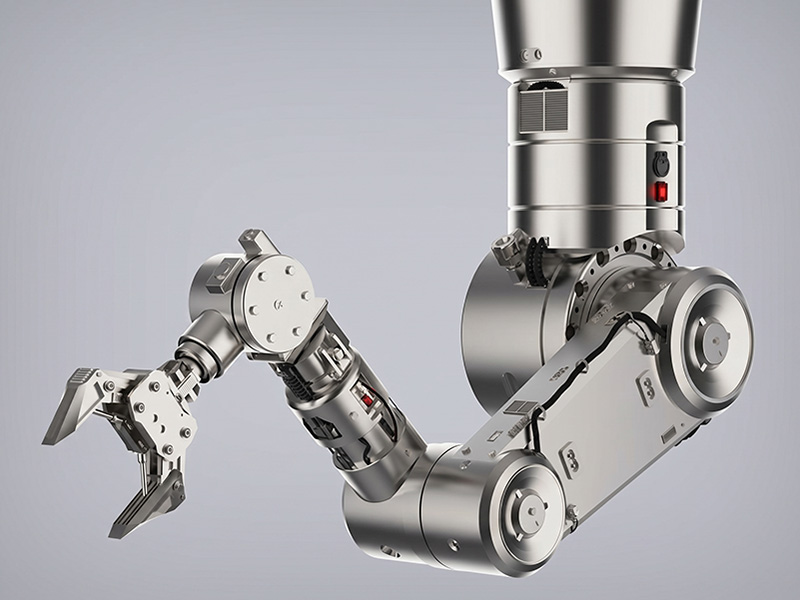
Sheet Metal Fabrication for Robotics

Delivering precision sheet metal fabrication for robotics, we build everything from lightweight aluminum (5052/6061) enclosures to rigid stainless steel base frames. Turnaround as fast as 3-5 days for prototypes. Repeatable production tolerances held strictly to +/- 0.05mm - 0.1mm.

Purpose-Built Sheet Metal Components for Robotic Systems

From high-payload AMR chassis to low-inertia end-effector mounts, ShincoFab provides advanced sheet metal fabrication for robotics, engineered to meet the rigorous dynamic and structural demands of modern automated systems.

Custom Robotic Chassis & Base Frames

Engineering Focus: Specializing in lightweight robotics sheet metal chassis fabrication, we engineer high dynamic payloads (AGVs/AMRs). We utilize heavy-gauge structural steel and stainless (304/316L) with deeply penetrated, stress-relieved TIG/MIG welds to prevent fatigue failure during operation.

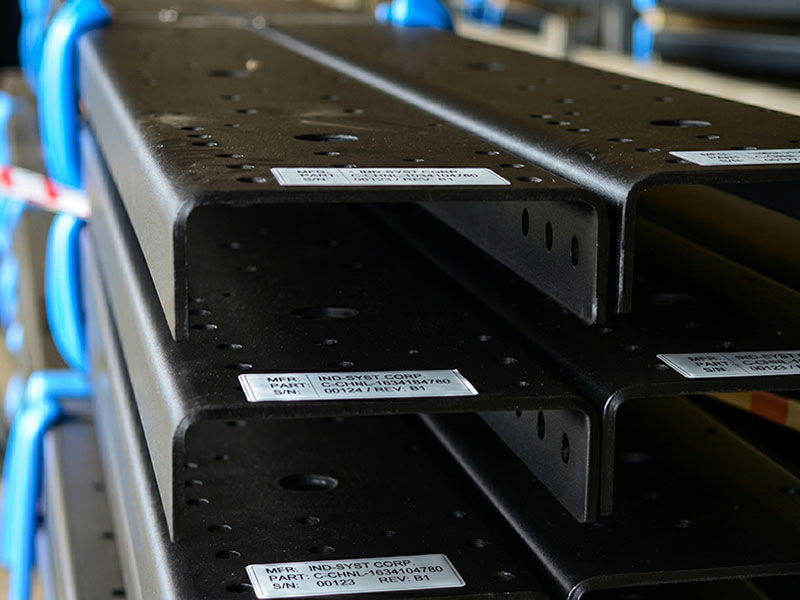
Precision bent aluminum bracket for robot end-effectors

End-Effector Brackets & Mounts

Engineering Focus: Lightweight, low-inertia aluminum (6061/7075) fabrication. Precision CNC bending ensures exact gripper alignment, combined with tight-tolerance tapping and countersinking for flush mounting.

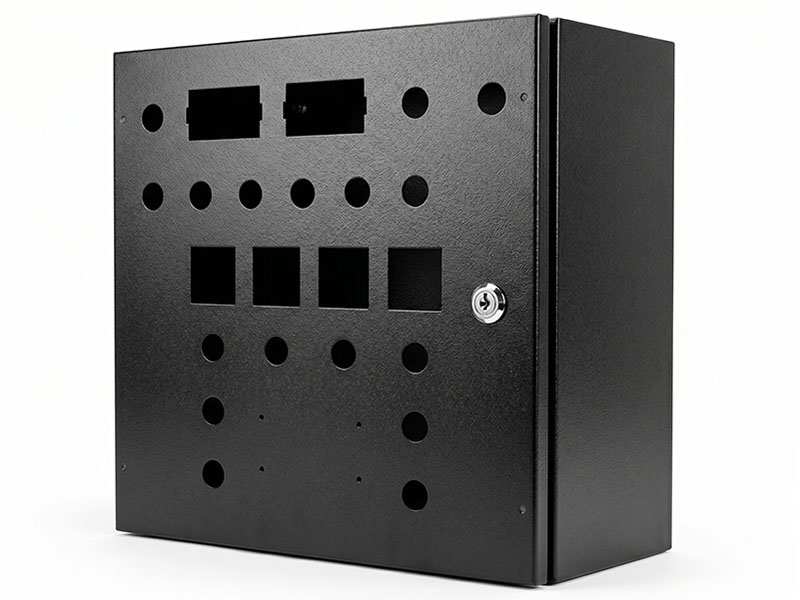
Custom laser-cut electrical enclosure for robotic control systems

Electrical and Control Enclosures

Engineering Focus: Delivering expert custom enclosure and housing sheet metal fabrication for robots, we build custom NEMA/IP-rated housings for batteries, PCBs, and motor controllers. Features include precision-pressed hardware (PEM nuts/standoffs), louvered panels for thermal management, and EMI shielding covers.

Lightweight aluminum housings for robotic arm joints

Lightweight Arm Housings & Guarding

Engineering Focus: Aesthetic, aerodynamic protective covers formed from thin-gauge aluminum. Designed to protect servos and joints without adding excess weight that could throw off kinematic payload calculations.

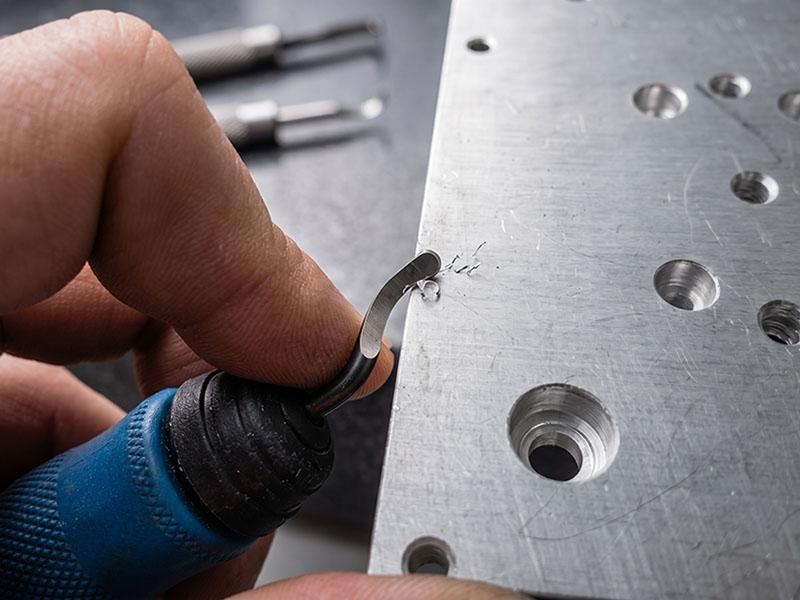
Manual deburring of metal parts to protect robotic wiring

Sensor Covers & Wire Routing Guides

Engineering Focus: Intricate shielding for sensitive LiDAR and vision systems. Meticulously deburred and edge-rounded to eliminate any sharp edges that could chafe vital wiring harnesses during cyclical movement.

Fabrication Equipment and Tolerances

Precision robotics require repeatable execution, not guesswork. Below are the exact hardware specs and tolerances ShincoFab utilizes to bring your CAD files from prototype to production.

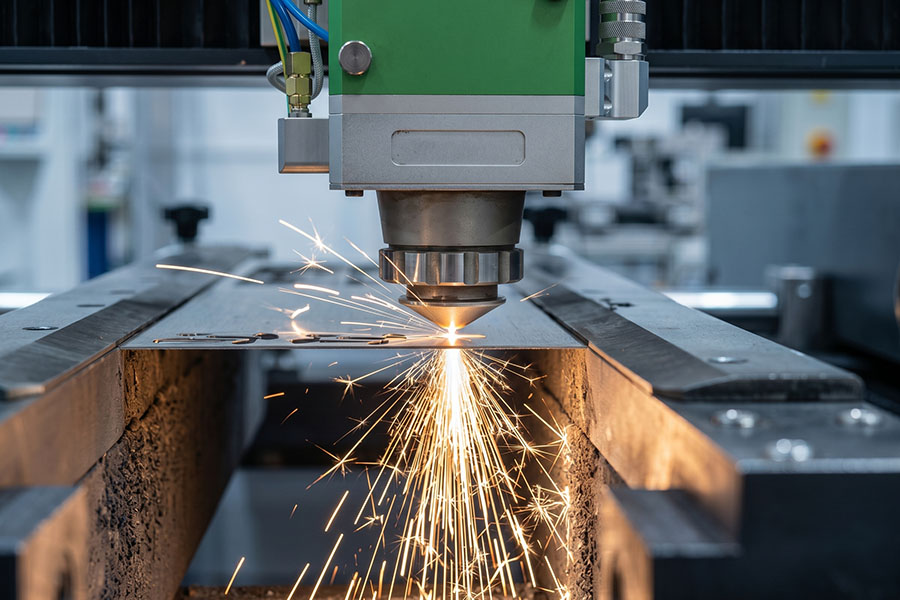
High-Speed Fiber Laser Cutting

  • The Equipment: Trumpf & Amada 10kW+ fiber lasers.
  • The Specs: Utilizing advanced sheet metal cutting techniques, we perform laser cutting on robotic components up to 20mm (Steel) and 10mm (Aluminum/Stainless) with clean, dross-free edges. Minimal Heat-Affected Zone (HAZ) to prevent material warping on thin-gauge sensor housings.
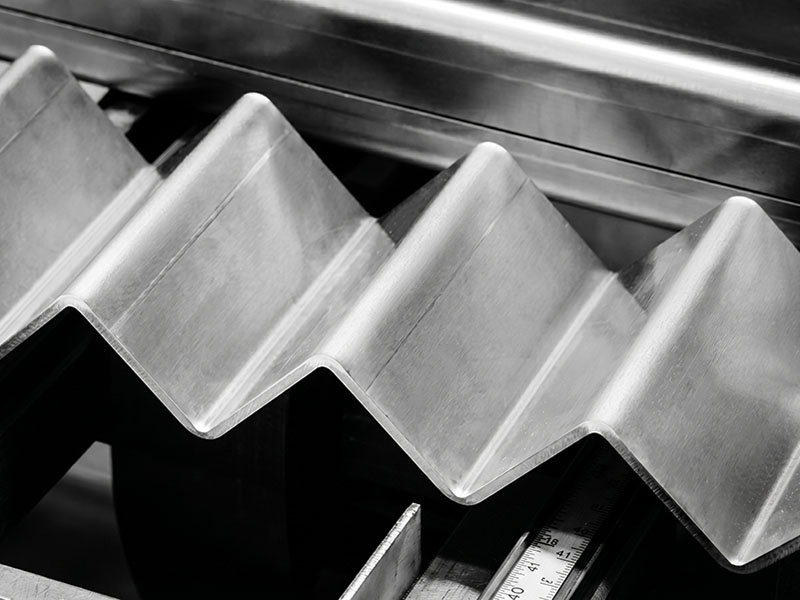
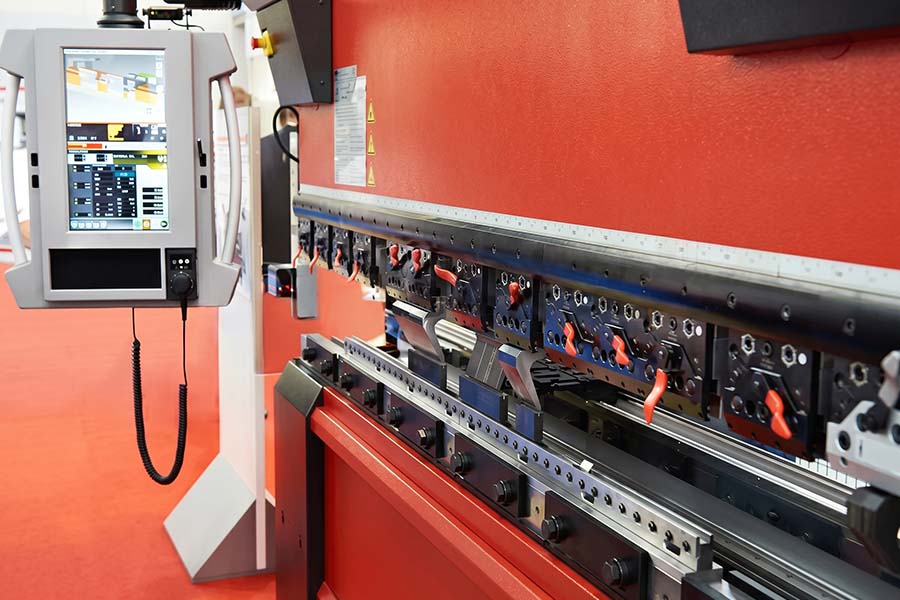
Multi-axis CNC press brake for precision bending

Multi-Axis CNC Bending & Forming

  • The Equipment: Multi-axis CNC press brakes with 6-axis precision backgauges.
  • The Specs: Our precise sheet metal forming and bending for robotics maintains angle tolerances strictly to +/- 0.5° and dimensional tolerances to +/- 0.1mm. Ensuring absolute repeatable alignment for complex, multi-part robotics frames, eliminating fit-up issues during final assembly.

Structural & Cosmetic Welding

  • The Equipment: TIG, MIG, and robotic spot welding stations.
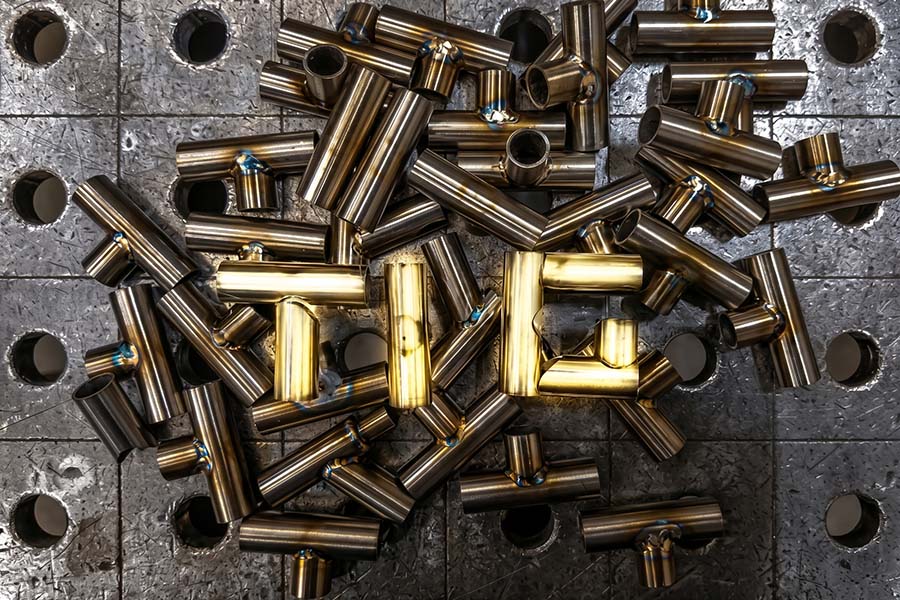
  • The Specs: Executed by AWS-certified welders providing robust robotic welding and assembly services. Achieving deep penetration for chassis structural integrity under high dynamic/torsional automation loads. Clean, spatter-free TIG welds for visible external enclosures.
Clean TIG welding for robotic structural components

Precision Hardware Insertion

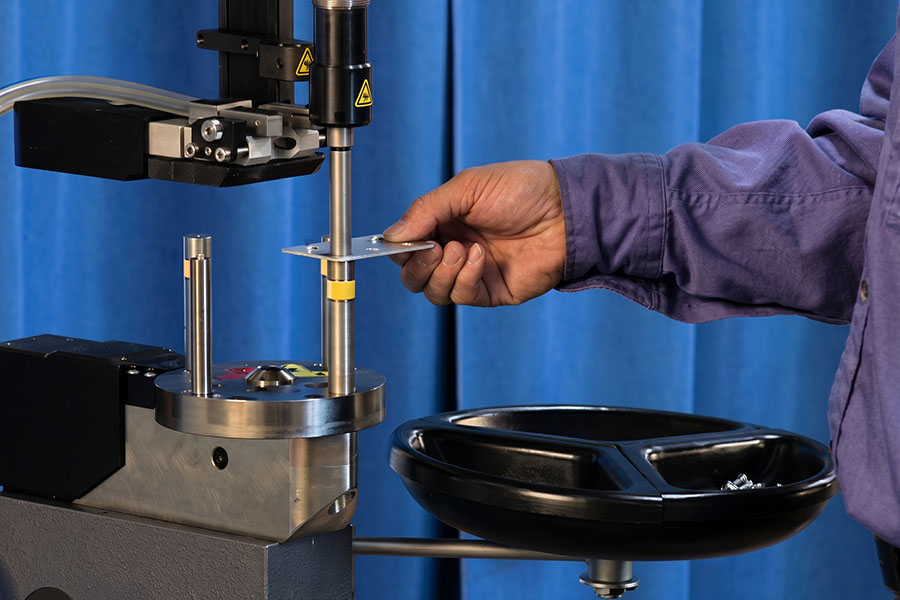
  • The Equipment: Automated Haeger hardware insertion machines.
  • The Specs: In-house insertion of PEM nuts, studs, and flush-head standoffs. Strictly depth-calibrated to guarantee instantaneous, thread-perfect mounting for PCBs, servos, and lithium battery packs.

Engineered Materials for Robotics

In robotics, over-engineering adds dead weight, and under-engineering risks catastrophic failure. We stock and process raw materials specifically chosen for kinetic mobility and static structural demands.

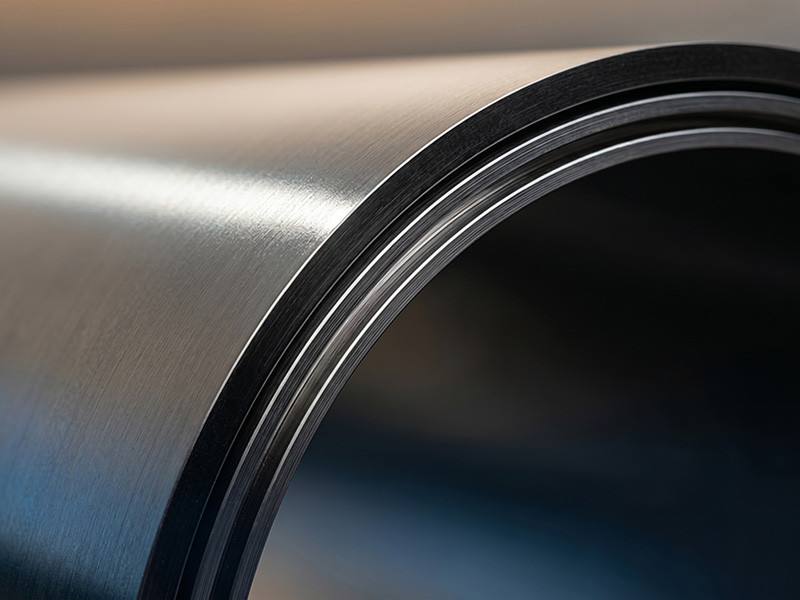
High-grade 5052 and 6061 aluminum alloy sheet metal

Aluminum Alloys: 5052-H32 & 6061-T6

  • Optimal Robotics Use: End-of-arm tooling, AGV external covers, and low-inertia brackets.
  • Material Advantage: We use 5052-H32 for complex enclosures because its superior formability allows for tight structural bends without cracking. We utilize 6061-T6 for rigid mounting plates where high yield strength and machinability are critical to keeping payloads light.
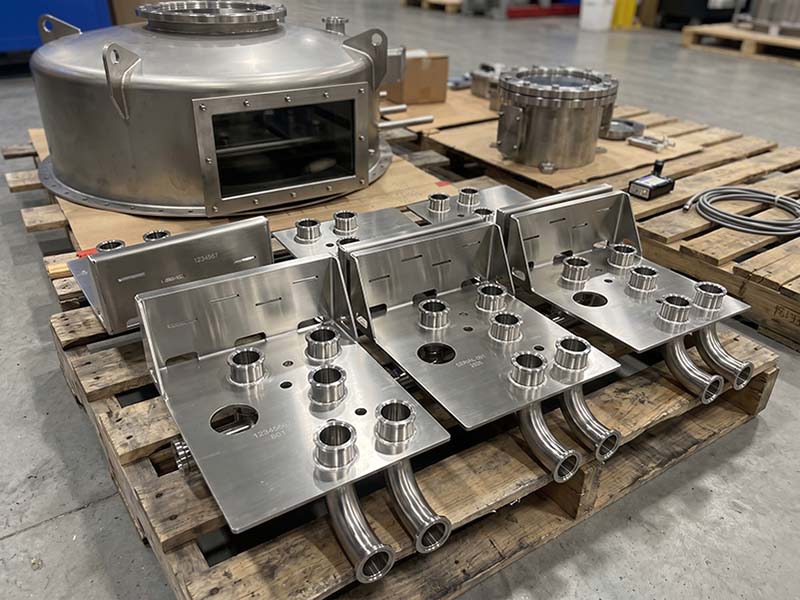
Precision 316L stainless steel components for medical robotics

Stainless Steel: 304 & 316L

  • Optimal Robotics Use: Medical/Surgical robots, food-handling automation, and washdown environments.
  • Performance Advantage: Standard 304 offers robust overall corrosion resistance for lab automation. For harsh environments (repeated chemical washdowns), we utilize 316L; the lower carbon content prevents weld-decay and chloride pitting, ensuring your IP ratings hold true.
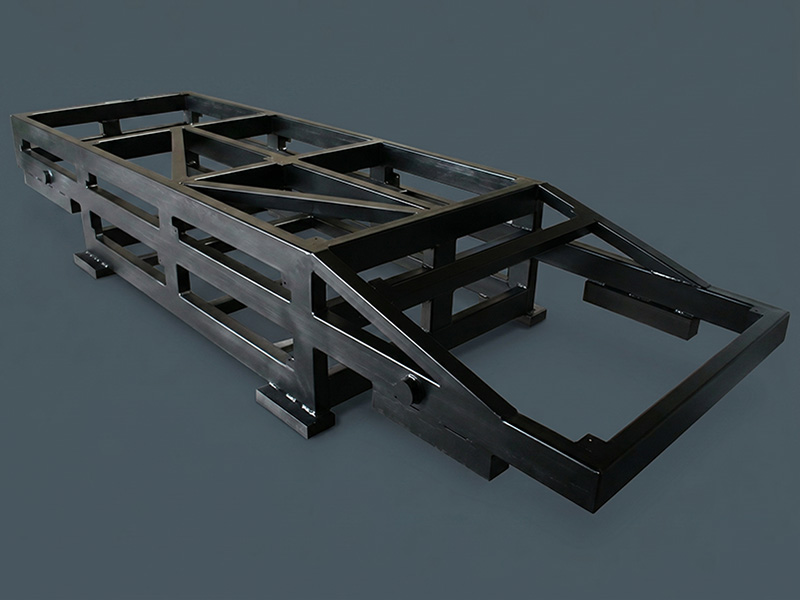
Heavy-duty welded steel chassis for high-payload AMRs

Cold Rolled Steel (CRS) & Galvanized

  • Optimal Robotics Use: High-payload AMR base frames, static industrial control cabinets, and heavy counterweights.
  • Structural Advantage: When supreme structural rigidity vs. cost is the primary metric, CRS delivers. Welded into torsion-resistant box frames and finished with tight in-house powder coating, it handles massive dynamic shifts in center-of-gravity (CoG) without failing.

From Prototype to Volume Production

Hardware development is gated by prototype speed. Hardware profitability is gated by manufacturing scalability. We built a continuous workflow that seamlessly handles both, offering complete robotic sheet metal prototyping and production solutions.

Phase 1: Rapid Prototyping & Iteration

  • 1 to 5 Day Turnaround: As experts in rapid prototyping for robotic sheet metal components, we help you validate your robotic assemblies faster. Because we keep sheet metal cutting, bending, and welding strictly in-house, we eliminate outsourcing delays.
  • Strictly ZERO MOQ : R&D requires trial and error. Whether you need a single proof-of-concept chassis or a 5-piece beta run, we process it with the same engineering rigor as a volume order.
Rapid laser cutting for robotic sheet metal prototypes
High-volume production of robotic sheet metal components

Phase 2: Volume Production & Contract Manufacturing

  • Seamless Translation to Scale: Never lose your tribal knowledge. The same CAM programs, tooling setups, and FAIs (First Article Inspections) used for your prototype are instantly optimized for medium to high-volume runs.
  • Predictable Landed Costs: When it is time to scale robotic sheet metal production, we implement dedicated fixturing and robotic welding to drive your per-unit costs down, delivering strictly on budget and on your exact MRP schedule.

DFM Engineering and CMM Inspection

CAD software allows you to draw physical impossibilities. We ensure they actually work in the real world. Our process is designed to protect your project timeline and guarantee a frictionless fit during final assembly.

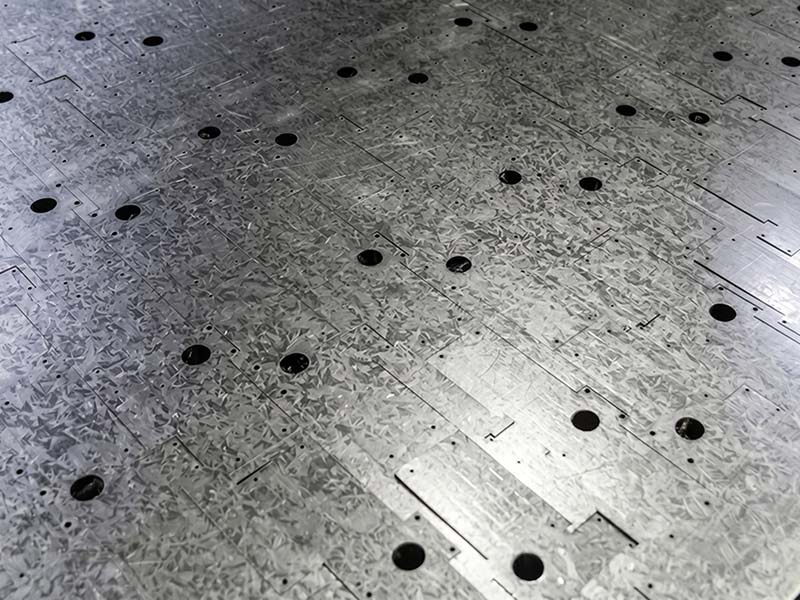
Optimized sheet metal nesting for maximum material yield

Proactive DFM Reviews

Before our lasers ever pierce a sheet of metal, our in-house manufacturing engineers optimize design for manufacturability (DFM), running a ruthless diagnostic on your STEP/IGES files. We don’t just blindly cut what you send. We optimize it to prevent costly failures:

  • Bend Radius & K-Factor Checks: Identifying impossibly tight radii that will cause aluminum to crack or tear during CNC forming, saving you from receiving compromised brackets.
  • Warping & Weld-Distortion Prevention: We evaluate thin-gauge layouts to ensure they won’t warp under laser heat or heavy TIG welding, guaranteeing your enclosures remain perfectly flat.
  • Nesting Inefficiencies: We digitally nest your flat patterns to maximize material yield. Less wasted material equals a lower per-part cost on your invoice.

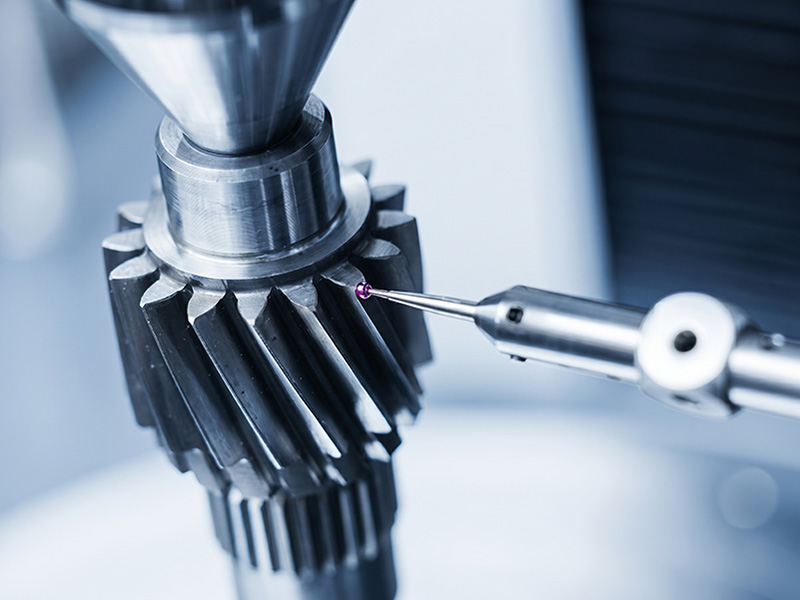
CMM Inspection and Material Traceability

Quality isn’t an adjective here. It is a documented metric. We strictly inspect and control quality for robotics fabrication, providing the hard paperwork your supply chain and QA departments demand.

  • 100% CMM Verified FAI. We measure your initial prototypes using advanced Coordinate Measuring Machines. You receive a comprehensive First Article Inspection report detailing exact dimensional compliance before we initiate volume production.
  • Full Material Traceability. Essential for medical and high-stakes robotics. Every shipment can be accompanied by Mill Test Reports (MTRs), proving the exact chemical composition of the steel or aluminum housing your IP.

Assembly-Ready Surface Finishing

A robotic chassis isn’t finished until it’s shielded against its operating environment. We provide comprehensive robotic sheet metal part surface finishing options, managing the final coatings and enforcing strict hardware masking protocols to ensure your parts arrive functional and flawlessly finished under a single PO.

Anodizing (Type II & Type III Hardcoat)

  • Application: Aluminum robotic arms, sensor mounts, and kinetic joints.
  • Engineering Rationale: Type II provides essential corrosion resistance, while Type III Hardcoat drastically increases surface hardness. This minimizes friction and wear on continuously moving aluminum assemblies, ensuring longer service life for your final product.
Anodized aluminum component for robotic kinetic joints
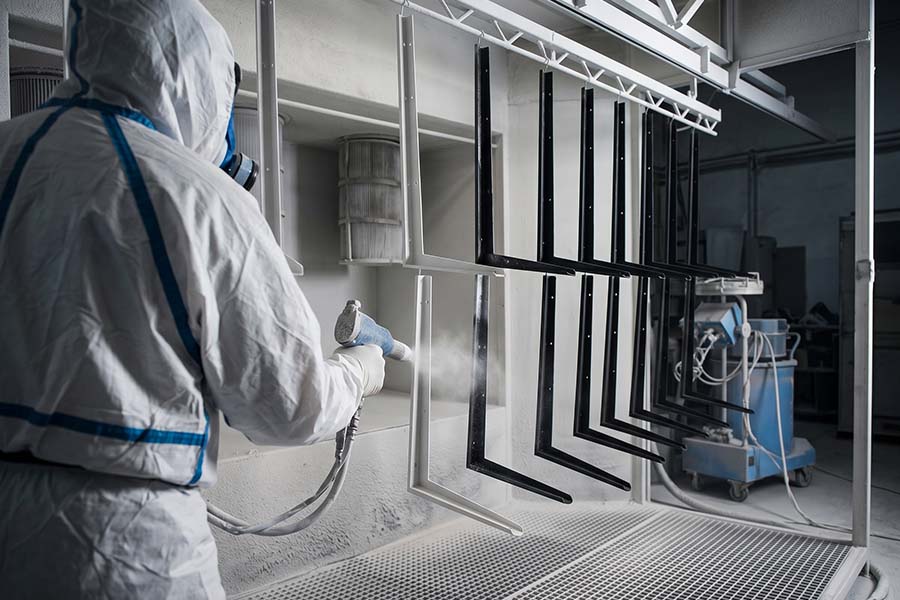
Industrial powder coating process for robotic enclosures

Industrial Powder Coating & Masking

  • Application: Heavy-duty AGV/AMR chassis, outer skins, and control cabinets.
  • Engineering Rationale: A high-durability, baked-on finish engineered to survive industrial impacts and chemical spills. Crucially, we utilize dedicated silicone plugging and masking techniques to ensure PEM threads and precision mounting holes remain completely free of overspray. It arrives ready to bolt.

Passivation (ASTM A967 Standards)

  • Application: Medical, surgical, and food-handling robotics (304/316 Stainless).
  • Engineering Rationale: Machining and welding leave behind microscopic “free iron” particles on the surface, which will eventually rust. Chemical passivation removes these contaminants and accelerates the formation of a pure chromium-oxide protective layer, securing your strict cleanroom compliance.
Passivated stainless steel surface finishes for medical robotics

Have a CAD File? Skip to the Quote.

If you’ve seen enough of our equipment specs, why wait? Send us your STEP/IGES models now. Our engineers will run a rapid check on bend reliefs and material nesting, and hit your inbox with a manufacturable quote in 24 hours. No pesky sales calls. Just engineering facts.

Frequently Asked Questions

Before you hand over your IP and project timelines, you need operational clarity. Below are the definitive answers to the most common questions we receive from robotics R&D and supply chain teams.

What are your actual held tolerances for robotic components?

For flat laser-cut profiles, we hold +/- 0.05mm. For CNC bent parts, we strictly maintain +/- 0.1mm to 0.2mm (depending on material thickness and K-factor). If your CAD demands tolerances beyond sheet metal physics, our engineers will flag it during the 24-hr DFM review and suggest actionable revisions.

Absolutely. While we enforce strict internal privacy protocols, we will gladly sign your company’s specific NDA. Simply email the document to our secure engineering inbox before uploading your STEP files. We will return it signed within hours.

No. We provide an end-to-end turnkey service. We handle in-house Haeger hardware insertion, TIG/MIG welding, and manage robotic-grade coatings (Anodizing, Powder Coating, Passivation) through our audited partners. You receive a single invoice and an assembly-ready part.

Yes. We understand supply chain traceability is non-negotiable for medical, surgical, and food-grade robotics. Full MTRs certifying the chemical composition of your exact steel/aluminum batch are available upon request and shipped with your parts.

You stay exactly right here. We lock in the CAM programs, hard tooling, and FAI documentation from your prototype run. When you are ready to scale, we seamlessly transition your project to our automated production lines, ensuring consistent quality while actively driving down your per-unit cost.

Upload CAD. Get a Quote in 24 Hours.

Upload your 3D CAD models (STEP, IGES, SolidWorks) along with your 2D prints (PDF) for tolerancing. Our manufacturing engineers will run a DFM review and return a detailed, manufacturable quote within 24 hours.

Whatsapp

+86 13392819510

Address

Building 1, No.8, Second Street, Huangjiang Town,
Dongguan City, Guangdong Province

Socials

Please enable JavaScript in your browser to complete this form.
Click or drag files to this area to upload. You can upload up to 3 files.
Scroll to Top

Let's Talk About Your Project