As a manufacturing engineer at ShincoFab, a custom sheet metal and CNC fabrication facility, I have spent years helping clients choose the right surface finishes for their parts. I know what actually works on the factory floor and what fails during our quality control (QC) inspections.
Electroless nickel plating is not just a chemical process. It is a financial and engineering hack. We constantly see clients at ShincoFab use it to machine their parts out of cheap, lightweight metals like aluminum, while giving them the superpower performance of expensive, heavy-duty alloys like stainless steel.
In this guide, I will show you a clear breakdown of how electroless nickel plating works, its biggest advantages, and how much it actually costs. More importantly, I will share the top reasons this plating fails based on the actual scrap parts we’ve had to rescue on our shop floor. These insights will help you avoid costly mistakes on your next build.
What Is Electroless Nickel Plating?
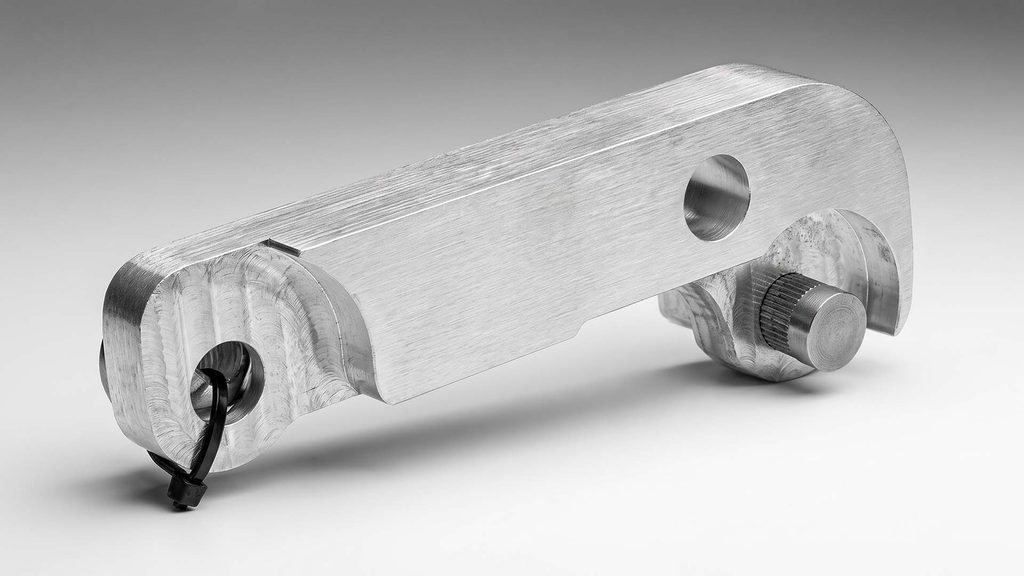
Electroless nickel plating is a chemical process that deposits an even layer of nickel-phosphorus alloy onto a metal surface without using electrical current. By submerging parts in a heated chemical bath, it creates a highly durable, corrosion-resistant coating ideal for complex shapes and deep blind holes.
How It Works (No Electricity Needed)
While most traditional metal plating uses electricity to stick a coating onto a part, electroless plating relies on an autocatalytic chemical reaction.
You dip your part into a heated bath of nickel salts and chemical reducing agents. As the chemicals react with the metal surface, they deposit the solid layer of nickel-phosphorus alloy. Because there is no electrical current involved, the coating builds up with remarkable uniformity. Generally, wherever the liquid freely contacts the part, it gets plated.
At our ShincoFab facility, this is exactly why we recommend it for complex sheet metal enclosures or CNC parts where standard electrodes simply can’t reach the inner corners.
What Materials Can You Plate?
You can use this process on almost any common manufacturing metal. On our production lines, we frequently process several specific materials.
- Aluminum (especially 5052 and 6061 sheet metal)
- Carbon steel
- Stainless steel
- Copper and brass
It also works seamlessly with modern additive manufacturing. We recently processed a batch of 3D-printed titanium brackets for a client. As long as the metal is properly cleaned and the surface is prepped, the nickel adheres exceptionally well to 3D-printed substrates.
The Biggest Advantages of Electroless Nickel Plating
Highly Uniform Coating (No Bumps or Thin Spots)
When you use electricity to plate a part, the coating tends to build up on sharp corners and leave thin spots inside holes. We used to see this headache all the time with custom CNC chassis that had deep M4 blind holes—electroplating left the internal threads virtually bare.
Electroless plating effectively resolves this problem. It wraps your part in a consistent layer, no matter how complex the shape is. The chemical bath easily reaches all of these challenging features:
- Deep blind holes
- Internal threads
- Sharp edges
- Intricate hidden passages
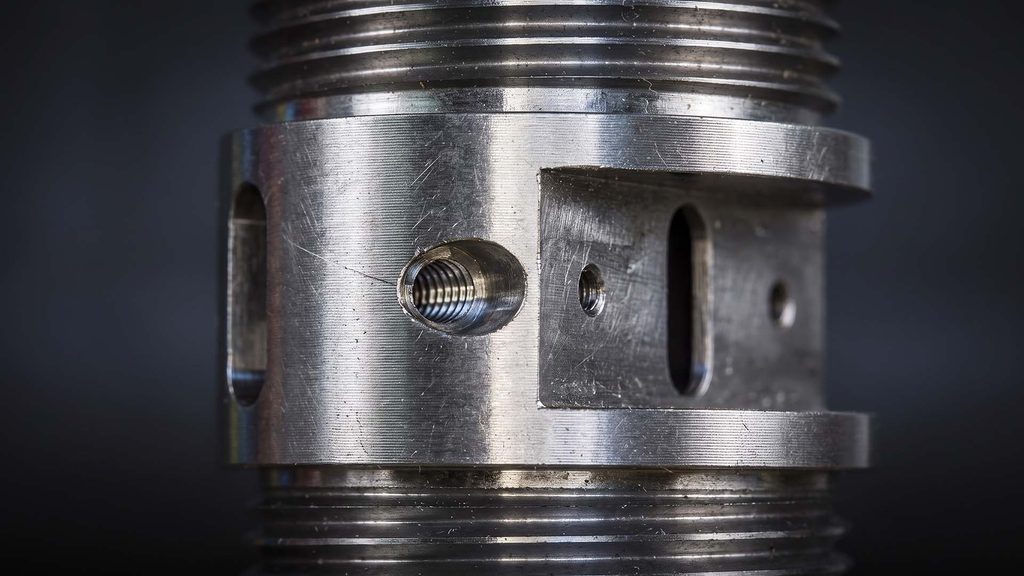
Typical coating thickness ranges from 0.0001 to 0.001 inches (2.5 to 25 microns). Because it is so uniform, you get highly predictable dimensions batch after batch, which is critical for the tight-tolerance aerospace and medical components we machine at ShincoFab.
Heavy-Duty Rust and Corrosion Protection
Bare metal hates moisture and chemicals. This nickel coating acts like a heavy-duty shield. It effectively seals the metal underneath, keeping rust and corrosion away. It is a lifesaver if your parts live outdoors, underwater, or in harsh chemical environments.
Super Strong and Wear-Resistant
Want to make cheap aluminum act like expensive stainless steel? Plate it. Many of our ShincoFab clients switch from 304 stainless to 6061 aluminum with ENP to save on machining time and raw material costs without losing durability.
The nickel-phosphorus alloy is incredibly hard. It protects your parts from daily wear, scratches, and heavy impacts. Your parts will simply last longer, saving you money on replacements.
Built-In Lubrication (Less Friction)
Moving parts create friction. Friction creates heat and destroys machines. Electroless nickel has natural lubricating properties that help mechanical parts slide together smoothly without catching. For example, the coefficient of friction for this coating is around 0.1 to 0.2, which is significantly lower than bare steel (0.5) or bare aluminum (1.0). Less friction means less wear and tear.
A Great Base for Paint or Other Coatings
Sometimes nickel is just the first step. If you need to paint your part or add another finish, this coating is an excellent primer. Paint sticks to it beautifully, and the nickel barrier significantly reduces the chance of the paint peeling, flaking, or bubbling later on.
Electroless Nickel vs. Other Popular Finishes
The comparison table below shows how electroless nickel plating stacks up against standard zinc electroplating and anodizing in terms of hardness, rust resistance, and best use cases.
| Process | Hardness | Rust Resistance | Best Use Case |
|---|---|---|---|
| Electroless Nickel (ENP) | Very High (up to 1000 HV) | Extreme (>1,000 hours salt spray) | Complex shapes, blind holes, harsh chemical environments |
| Zinc Electroplating | Moderate | Low (fails at 96-120 hours) | Simple geometries, low-cost budget projects |
| Anodizing | Moderate (softer than ENP) | High (but weak to alkalines) | Aluminum/titanium parts requiring basic protection or color |
Electroless Nickel vs. Electroplating (Zinc/Nickel)
Electroplating uses an electric current to deposit metal onto a part. It is often a cost-effective finishing method, but current distribution can make coating thickness less uniform—typically heavier on edges and corners and lighter in recesses, deep holes, or other low-current-density areas.
For zinc-plated steel, coating thickness and supplementary finishes are key variables specified under ASTM B633 for electrodeposited zinc coatings.
Electroless nickel is deposited through an autocatalytic chemical reaction rather than an external electrical current. This enables highly uniform coverage across complex geometries, including edges, recesses, and internal surfaces.
According to the Nickel Institute’s explanation of electroless nickel plating, electroless nickel coatings can maintain extremely uniform thickness even on parts with complex shapes. This makes the process particularly suitable for precision components where dimensional consistency matters.
Corrosion performance should be specified by coating type, thickness, post-treatment, and acceptance criteria—not by a single universal salt-spray number.
ASTM B117 salt spray testing provides a controlled salt-fog test environment, but it does not prescribe exposure duration or define pass/fail interpretation for a particular product.
Standard zinc electroplating may be specified for relatively moderate corrosion exposure, while zinc-nickel electroplating can provide substantially higher corrosion resistance when the correct alloy composition and passivation system are used.
High-phosphorus electroless nickel can also deliver excellent corrosion resistance. Performance above 1,000 hours is possible in salt-spray testing for appropriately specified deposits, but this must be verified against the applicable coating thickness and process specification.
- Electroplating: Often more economical; suitable for many applications, but thickness distribution and corrosion performance depend strongly on geometry, coating thickness, alloy chemistry, and post-treatment.
- Electroless Nickel: Provides highly uniform coverage and is well suited to complex or precision geometries; high-phosphorus grades can offer strong corrosion resistance when properly specified.
Electroless Nickel vs. Anodizing
Anodizing is hugely popular for aluminum parts, but it changes the surface of the aluminum into an oxide layer. Electroless nickel adds a hard, metallic shield on top of the part.
- Better wear resistance: Nickel is much harder than standard anodizing.
- More metal options: Anodizing only works on aluminum and titanium. You can put electroless nickel on steel, copper, and brass.
- Chemical defense: Nickel holds up much better against harsh alkaline chemicals.
How to Choose Between Low, Medium, and High Phosphorus
The chemical bath is actually a mix of nickel and phosphorus. The amount of phosphorus largely determines how the coating behaves. In the plating industry, the exact breakdown typically falls into three standard categories.
- Low Phosphorus: Contains 2-5% phosphorus
- Medium Phosphorus: Contains 6-9% phosphorus
- High Phosphorus: Contains 10-12% phosphorus
Low Phosphorus (Best for Hardness & Wear)
If you need a part that is tough as nails, this offers the highest hardness. You will typically use this for hydraulic cylinders, pistons, and sliding mechanical parts.
Medium Phosphorus (The Best All-Rounder)
This is the most popular choice in the industry, accounting for about 70% of the ENP orders we process for our ShincoFab clients. It gives you great hardness and solid rust protection without breaking the bank. Use this for automotive engine parts and general machinery.
High Phosphorus (Best for Harsh Environments)
This is your heavy-duty shield. While it is not quite as hard as the low-phosphorus option, it offers superior rust resistance. You will see this used heavily in oil drilling equipment and marine parts.
Electroless Nickel Plating Design Guidelines
Plan for the Coating Thickness
Electroless nickel adds real thickness to your part. Our engineering team frequently has to kick drawings back to clients because they didn’t account for plating buildup on tight-tolerance shafts or holes.
- The coating builds up evenly on all exposed surfaces.
- If you ask for a 0.001-inch coating, a 1-inch hole will shrink by 0.002 inches.
- Always clearly state the final plated dimensions on your blueprints.
Surface Prep is Critical
The chemical bath does not hide ugly metal; it highlights it. If we run a sheet metal part through our press brake and it gets scratched by the tooling, those scratches will look 10x worse after plating. To get a smooth, cosmetic finish, you must polish or machine the part thoroughly before it goes into the tank.
Using Heat to Make It Harder
You can make plated parts even harder by baking them in a controlled oven after plating. This post-plate heat treatment changes the structure of the nickel-phosphorus coating and can significantly improve its hardness.
Nickel-phosphorus electroless nickel coatings can increase in hardness from about 500 Vickers (HV) as plated to approximately 800–1000 Vickers (HV) after heat treatment. A commonly cited treatment condition is approximately 400°C (752°F) for one hour, although the appropriate temperature and duration depend on the coating chemistry and required properties.
For medium-phosphorus electroless nickel, heat treatment is commonly used to improve hardness and wear resistance. However, make sure the base metal, part geometry, and any prior heat treatment can tolerate the oven cycle without distortion, loss of mechanical properties, or other unwanted changes.
3 Reasons Electroless Nickel Plating Fails (And How to Avoid It)
Most technical articles only tell you the good stuff. These are the real-world issues our QC team at ShincoFab catches when clients send us poorly optimized designs.
Chemical Trapping in Blind Holes
Electroless nickel is amazing at coating deep holes, but getting the liquid out can be a nightmare. We once had a client design a complex manifold with internal channels that didn’t connect. The chemicals got trapped inside and ruined the part from the inside out within weeks.
- Add small drainage holes to your CAD design.
- Require your plater to use high-pressure air to flush the holes completely.
Hydrogen Embrittlement
During cleaning and electroplating, hydrogen can enter high-strength steel, making it brittle and more prone to cracking due to hydrogen embrittlement.
To reduce this risk, susceptible steel parts should be baked promptly after plating. Always ask your manufacturer whether they include post-plating hydrogen-relief baking for high-strength steel parts.
Bad Masking and Wrong Phosphorus Selection
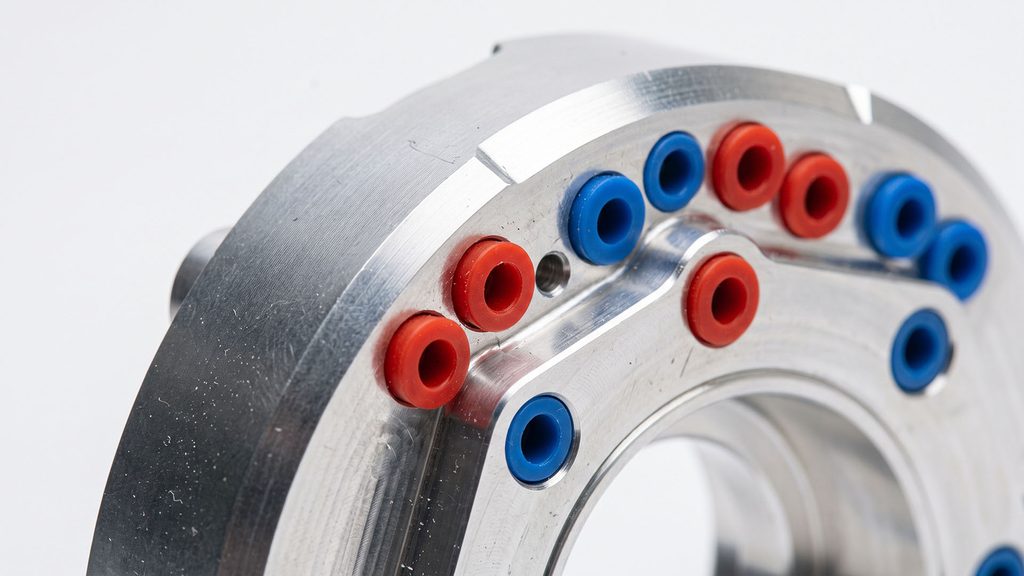
At ShincoFab, we often have to hand-plug dozens of threaded holes on a single custom chassis to prevent the chemicals from plating the threads. If your design requires complex masking, realize that human error becomes a factor. If the masking is sloppy, nickel will build up where it shouldn’t. Also, always double-check that your phosphorus choice matches your part’s final environment.
What Actually Drives the Cost of Electroless Nickel Plating?
When our estimating team at ShincoFab writes quotes, the price for this process is usually driven by surface area and bath time. Because it is a premium engineering process, you should expect to pay 20% to 50% more for electroless nickel compared to standard zinc electroplating or basic anodizing.
Three main factors determine the overall cost of electroless nickel plating:
- Part Size: Bigger parts take up more room and drag out more of the expensive chemical solution.
- Complex Masking: Applying tape or plugs by hand (like masking 50 tiny holes) drives up manual labor costs very fast.
- Post-Plate Heat Treatments: Baking parts adds extra time, labor, and equipment costs.
Is Electroless Nickel Plating Safe and Eco-Friendly?
Today, you can request plating processes designed to support RoHS-compliant plated parts. To meet RoHS requirements for applicable electrical and electronic equipment, suppliers must control restricted substances in each homogeneous material.
Lead (Pb) is restricted to less than 0.1% (1,000 ppm).
Cadmium (Cd) is restricted to less than 0.01% (100 ppm).
These limits can help your finished parts support RoHS compliance in applicable consumer electronics and electrical medical equipment. Always confirm compliance with material declarations or third-party test reports from your supplier.
Conclusion
Electroless nickel plating is one of the best engineering hacks available today. The next time you design a part that needs to survive a harsh environment, do not automatically reach for heavy stainless steel. Reach out to a manufacturing partner like ShincoFab, and consider electroless nickel plating instead. It will save you money, reduce friction, and make your parts last significantly longer.