







Frequently Asked Questions (Technical & Compliance)
Before you hand over your CAD files or commit your safety budget, you need to know if custom fabrication makes financial and operational sense for your facility. We don’t hide behind marketing speak. Here are the direct, unvarnished answers to the most common technical, cost, and OSHA-compliance questions we receive from Plant Managers and EHS Officers.
Are custom machine guards more expensive than standard off-the-shelf fencing?
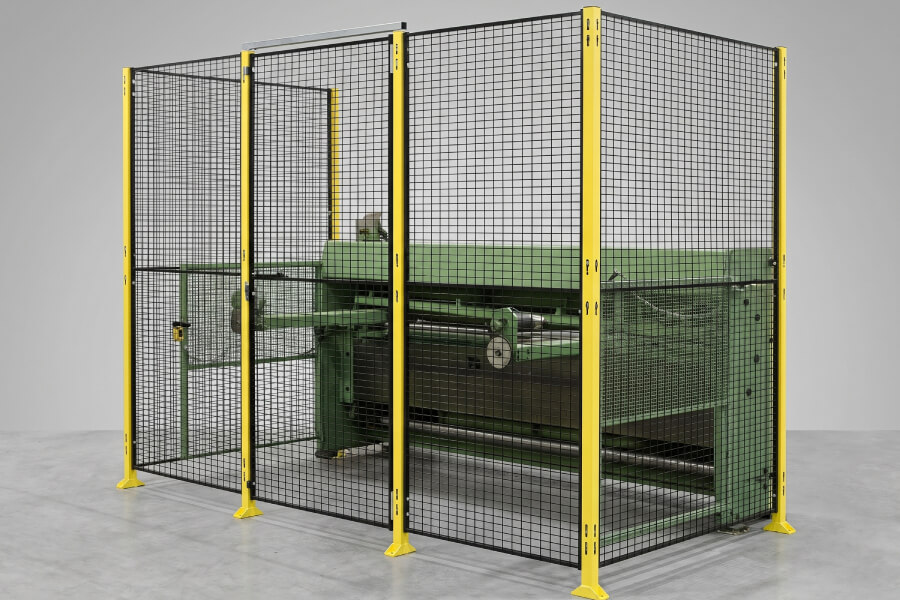
Upfront, a custom guard may have a slightly higher initial price tag. However, the Total Cost of Ownership (TCO) is almost always lower. Standard guards require expensive on-site labor to cut, weld, and retrofit around your machinery’s specific footprint. Worse, ill-fitting standard guards often obstruct maintenance access, leading to increased downtime. Our custom guards drop into place perfectly the first time, eliminating onsite modification costs and protecting your production throughput.
We have legacy/older machinery and don’t have any 3D CAD models. Can you still build a custom guard for us?
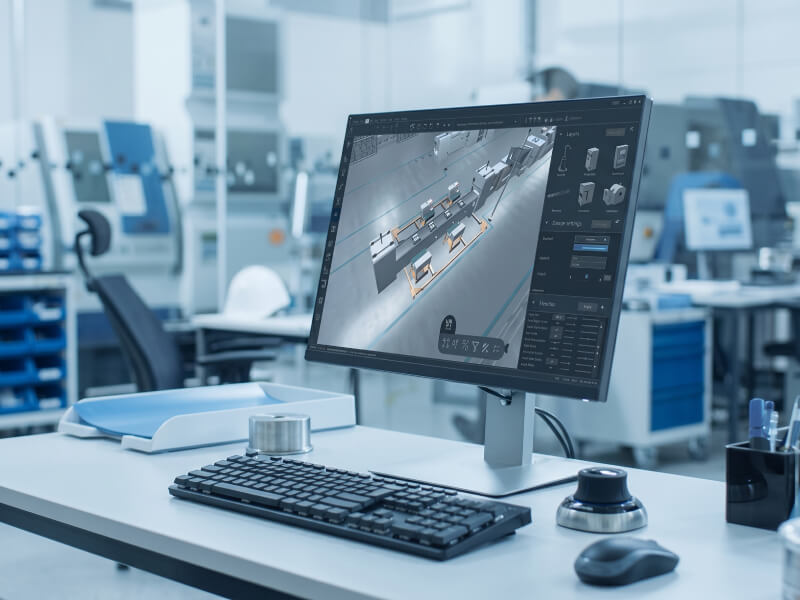
Absolutely. While we prefer CAD (STEP/SolidWorks) for rapid quoting, we frequently work with legacy equipment. You can provide rough dimensional sketches, or we can arrange for our engineering team to perform an on-site evaluation and measurement. We will reverse-engineer a compliant enclosure around your existing physical footprint.
Will your machine guards guarantee we pass an OSHA safety audit?
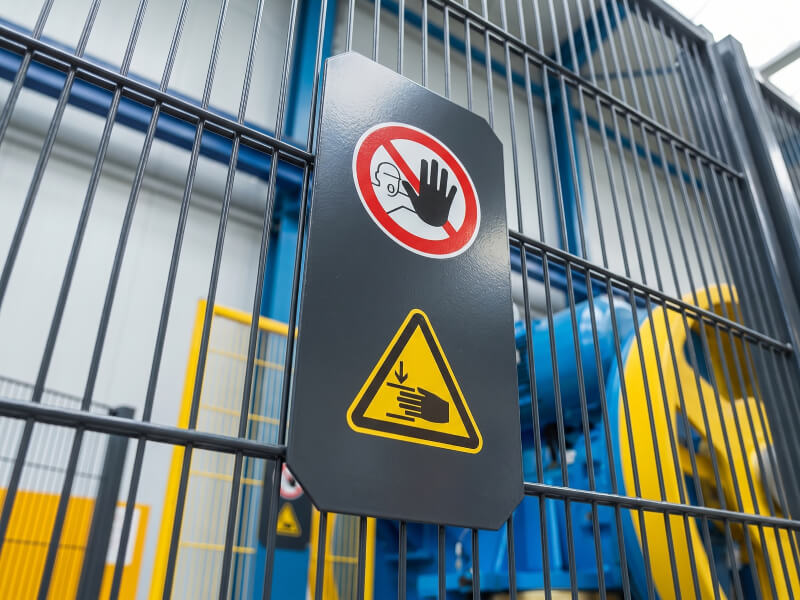
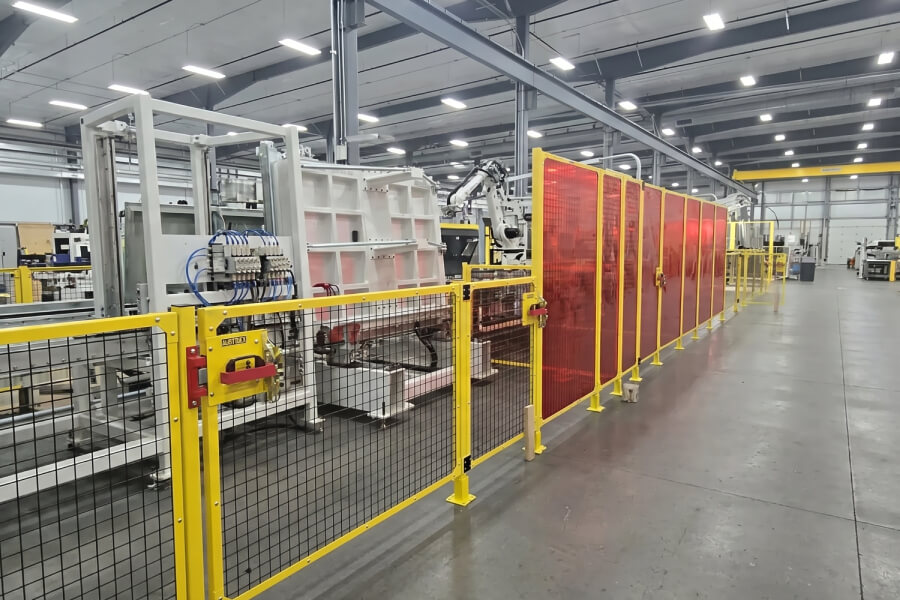
Yes. We engineer specifically to OSHA 29 CFR 1910.212 and ANSI B11.19 standards. By utilizing proper safe-distance calculations regarding openings (such as perforated metal sizing) and barrier heights, we ensure your guards eliminate point-of-operation hazards and satisfy stringent EHS inspector requirements.
Can you integrate our electronic safety interlocks and light curtains directly into the metal frame?
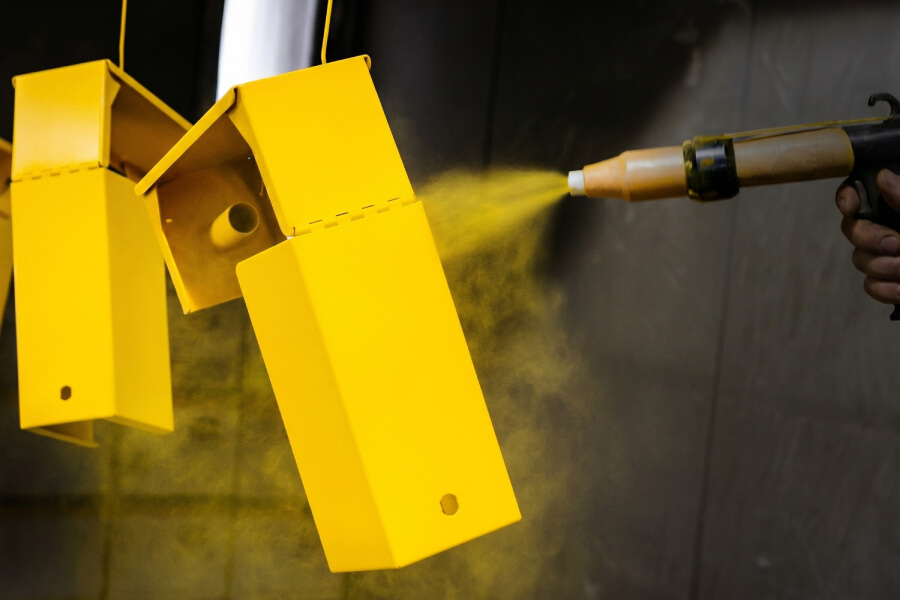
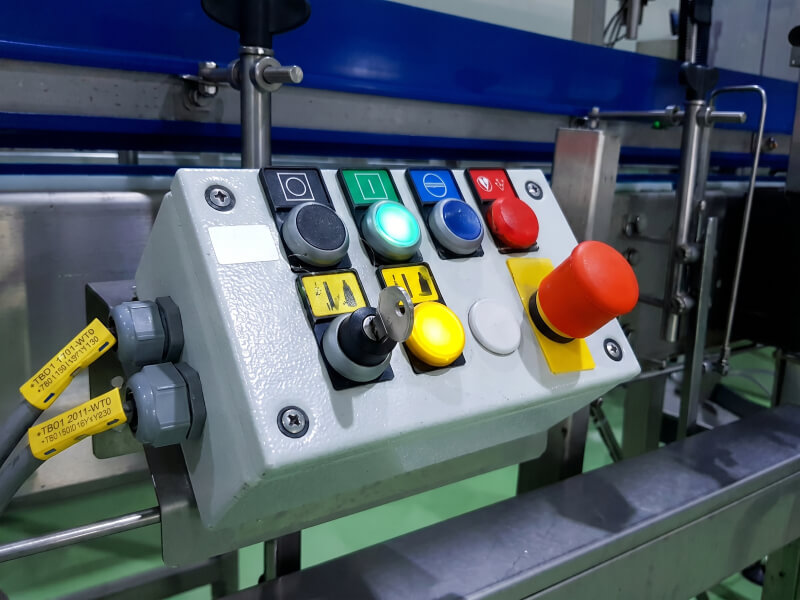
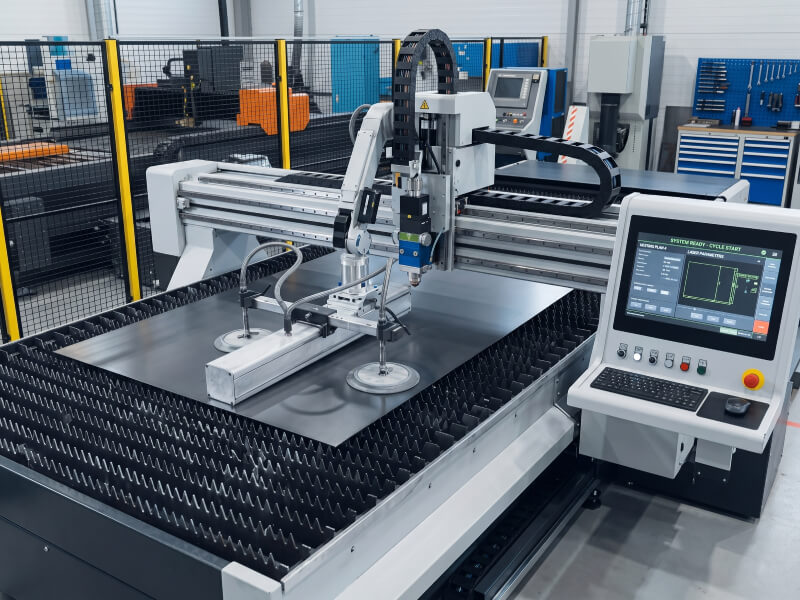
Yes. We use our CNC laser cutters to pre-punch accurate cutouts, mounting holes, and recessed brackets for your specific brand of safety hardware (Keyence, Sick, Allen-Bradley, etc.). This means your electrical team simply bolts the sensors directly onto the frame. You completely avoid onsite metal drilling and flawlessly preserve the powder-coated finish.
What materials are available for the viewing windows, and will they shatter under impact?
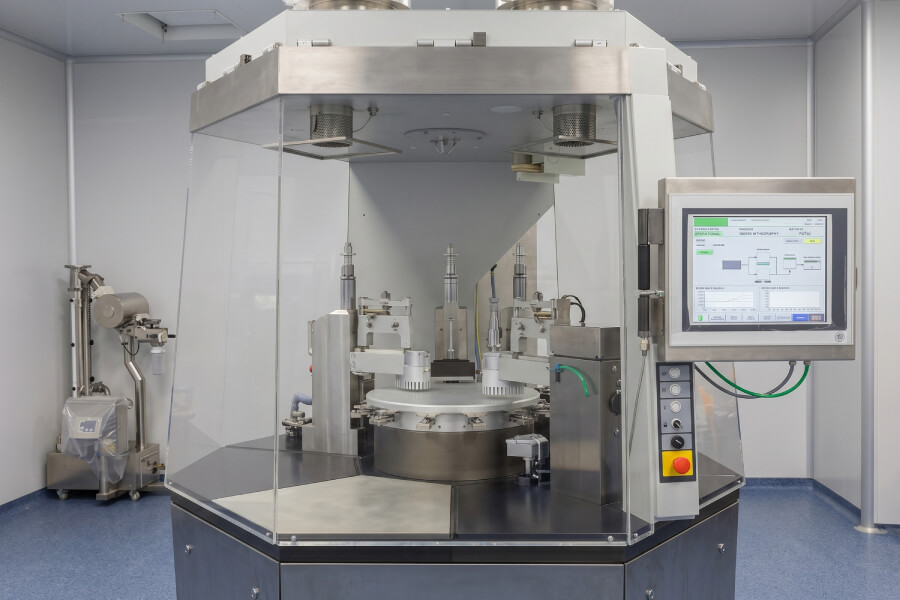
We never use standard glass. We integrate high-impact Polycarbonate (Lexan™) viewing panels securely routed into the sheet metal frame. These panels resist shattering even in high-kinetic-energy environments like CNC milling or stamping press operations, keeping flying debris safely contained.
