
Sheet Metal Hardware Insertion Services

Automated, high-volume sheet metal fastener installation using CNC Haeger insertion machines. 100% presence detection and strict DFM tolerances for your custom steel, aluminum, and stainless steel chassis.

Equipment Specs for Sheet Metal Hardware Insertion Services

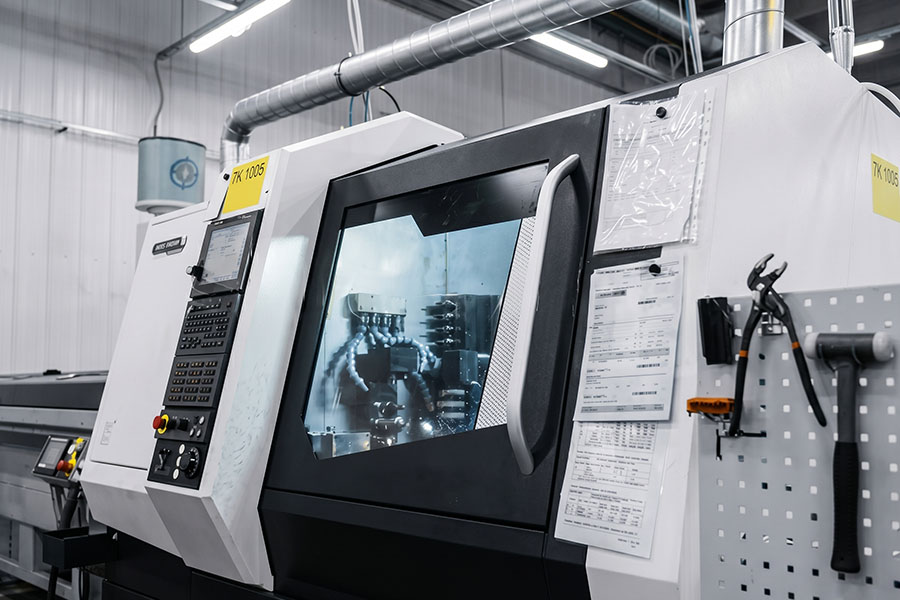
ShincoFab operates multiple automated hardware insertion presses for sheet metal, specifically 8-Ton Hydraulic CNC models equipped with Automated Bowl Feeders. Our automated floor is designed to provide hardware insertion for prototype and low-volume production as well as continuous high-volume production runs with zero operator fatigue errors.

CapabilitySpecification RangeEngineering Value
Press Capacity Up to 8 Tons / 72 N Features Variable Pressure Control. Prevents sheet deformation, dimpling, or micro-cracking when inserting hardware into thin-gauge aluminum (e.g., 5052-H32).
Throat Depth Up to 610 mm / 24 inches Provides ample clearance for deep box builds, 1U/2U/4U server racks, and oversized electronics enclosures without part-collision.
Thread Ranges Metric: M2 – M12
Imperial: #2 – 1/2″
Comprehensive tooling inventory available in-house. Covers 95% of standard PEM® / Southco® hardware. No tooling delays.
Placement Accuracy CNC Programmed to +/- 0.1 mm Guarantees perfect alignment for mating parts and PCB mounting standoffs. Eliminates assembly line rework.

Material Compatibility & The Mechanics of Clinching

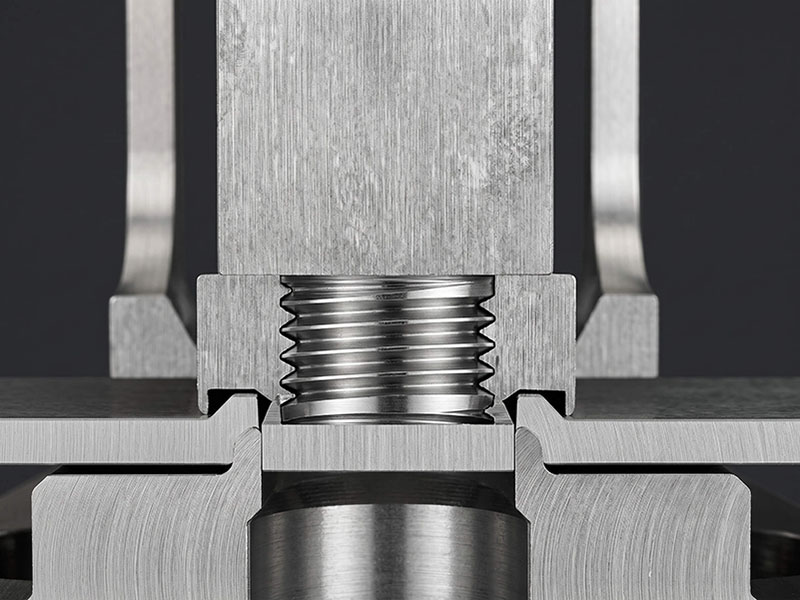
A successful press-fit hardware insertion process at ShincoFab relies on an absolute rule of physics. The fastener must be harder than the host metal. When our CNC presses apply continuous pressure, the sheet metal plastically deforms (cold flow) into the fastener’s undercut, permanently locking it in place. If the hardness ratio is wrong, the fastener crushes.

Self-clinching nut cross-section

Aluminum Panels (5052-H32 / 6061-T6)

Because aluminum is a softer, highly ductile metal, it accepts cold-flow forming easily.

Hardware used: We specify aluminum or standard 300-series Stainless Steel fasteners (to provide a much stronger threaded torque point than the base aluminum panel itself).

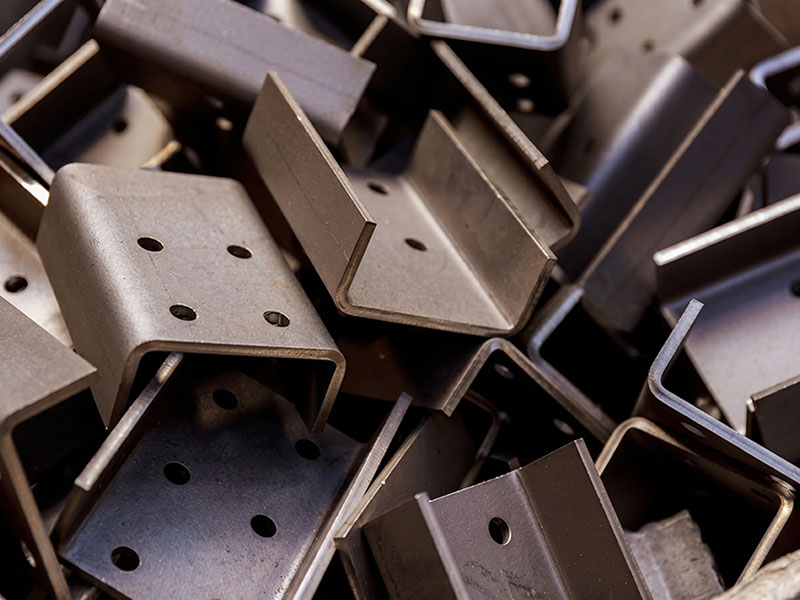
Cold rolled steel (CRS) brackets

Cold Rolled Steel (SPCC / CRS)

The industry standard for electronics chassis and brackets. It offers predictable deformation under pressure.

Hardware used: Heat-treated carbon steel fasteners (typically zinc-plated for corrosion resistance) or standard Stainless Steel inserts.

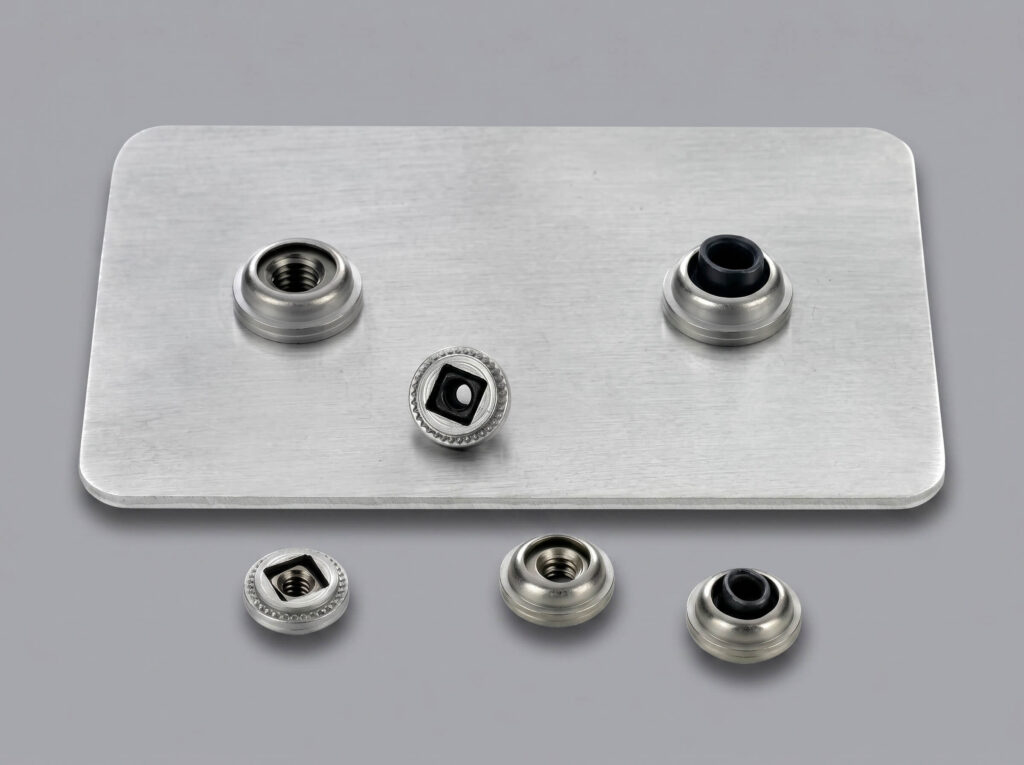
Stainless steel clinching sample plate

Stainless Steel Panels (304 / 316L)

Standard stainless steel fasteners will fail when pressed into 304/316 stainless panels due to similar hardness levels. The fastener will crush before the panel cold-flows.

Hardware used: We exclusively use specially hardened stainless alloy fasteners (e.g., genuine PEM® SP / MPP Series). This is our standard operating procedure to guarantee strong clinching without fastener deformation or micro-cracking in the panel.

Insertion Quality Control

A single missing standoff or a spinning nut can shut down your entire assembly line and ruin an expensive chassis. We do not rely on visual guessing to ensure quality. Our hardware insertion lead times and quality control protocols are driven by machine-level sensors and hard destructive testing.

Automated Presence Detection

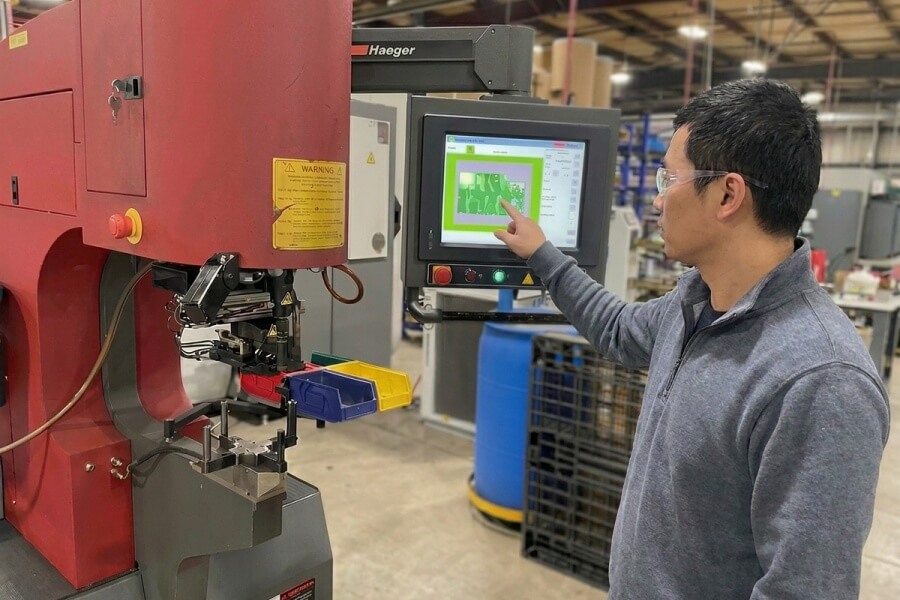
Human operators get tired; sensors don’t. Our Haeger CNC presses are equipped with in-tool part-presence sensors. If a fastener is misfed, jammed, or missing, the machine automatically interlocks and halts the stamping cycle.

Result: Defective, missing-fastener panels simply cannot be created.

Haeger CNC press control interface
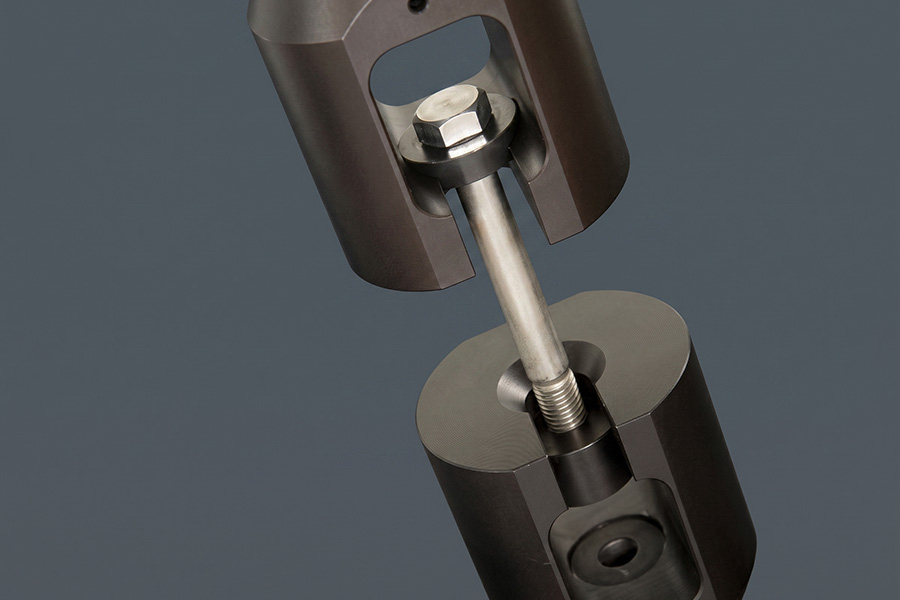
Fastener push-out strength test

Destructive Push-Out & Torque-Out Testing

During our First Article Inspection (FAI) process, we strictly reject basic visual checks and actively attempt to destroy the inserted hardware. We conduct rigorous Push-Out (lbs/kN) and Torque-Out (in-lbs/Nm) testing to guarantee the cold-flow bond is within strict specifications. The clinch will consistently outlast and exceed the breaking point of the mating screw.

Visual & Thread Integrity Inspection

Inserting hardware into sheet metal puts massive stress on the panel. Before shipping, we perform QC on hardware insertion to check for:

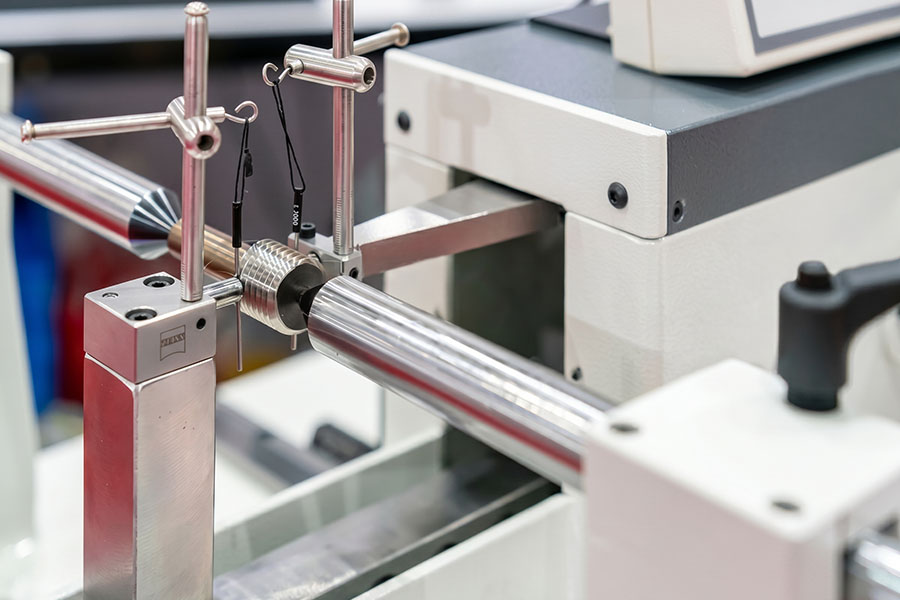
  • Thread Galling / Debris: Verified using precision Go/No-Go thread gauges.
  • Sheet Bulging / Dimpling: Surface inspection to ensure flush clinching without panel distortion.
  • Cosmetic Integrity: Verification that tooling has not marred or scratched your finished metal surfaces.
Precision thread measurement

Hardware Insertion DFM Guidelines

A perfectly programmed CNC press cannot fix a poorly designed sheet metal part. To ensure maximum push-out specifications and avoid costly design-for-manufacturability (DFM) revisions, please apply the following rules to design sheet metal for hardware insertion before submitting for a quote.

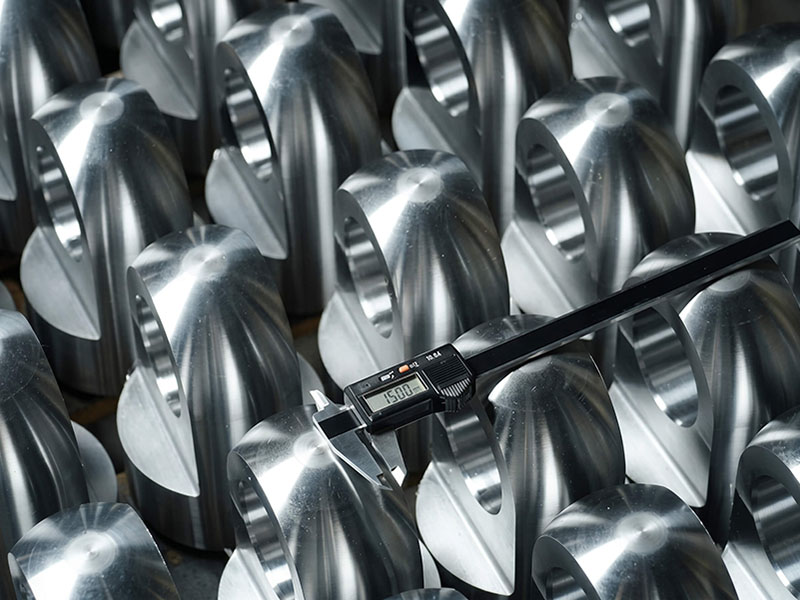
Digital caliper for precision tolerance check

Rule #1: Hole Size Tolerances

Do not oversize your mounting holes. The hole size dictating the cold-flow volume must be exact. Whether your flat patterns are laser-cut or CNC punched, you must confirm hardware and hole compatibility by restricting dimensional tolerances on the pilot holes to +0.08mm / -0.00mm. Holes outside this tolerance will result in loose fasteners and immediate QA rejection.

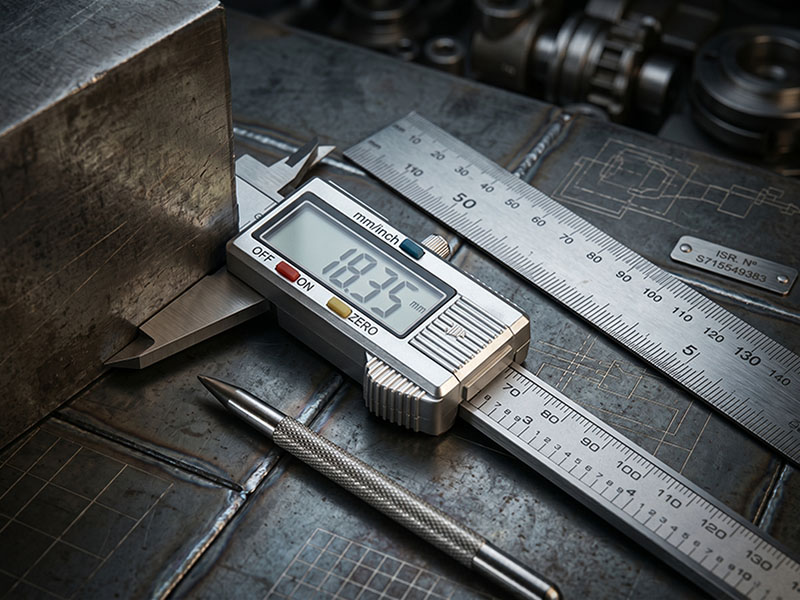
Measuring sheet metal edge distance

Rule #2: Center-to-Edge Distances

When hardware is clinched too close to the edge of the panel, the cold-flow displacement will cause the sheet edge to deform, bulge, or break.

The Formula: The centerline of the mounting hole to the nearest edge must be a minimum of 1.5x the fastener’s outer diameter.

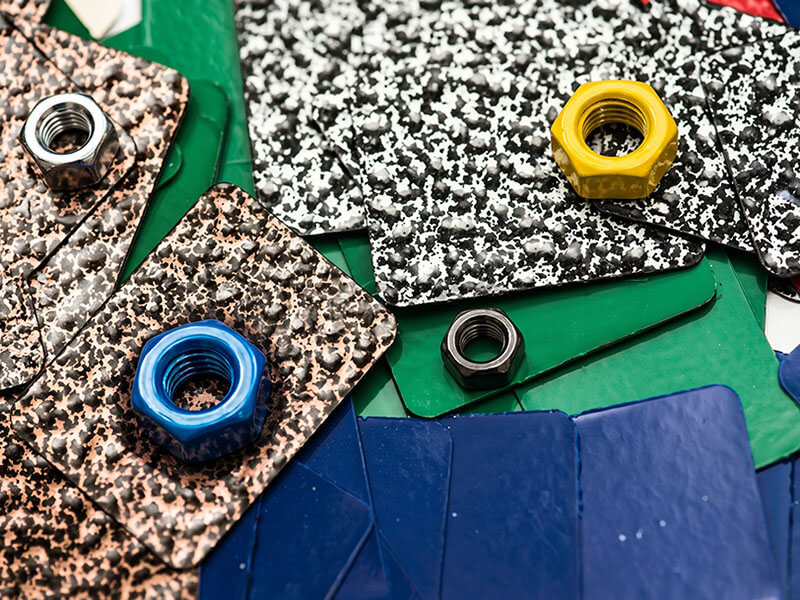
Powder coating finish samples

Rule #3: The Plating & Coating Sequence

Do not let surface finishing clog your threads.

As a standard rule, chassis should be designed to have hardware inserted AFTER zinc-plating, anodizing, or powder coating. If hardware must be inserted before finishing (due to complex masking or structural needs), you must specify this in your print so we can apply appropriate thread-masking plugs to prevent build-up.

Supported Fastener Types & Hardware Inventory

We don’t wait weeks for hardware distributors to ship standard fasteners. We maintain a robust inventory and possess the dedicated CNC Haeger tooling for all standard genuine PEM®, Southco®, and Captive fasteners. Our automated lines are permanently programmed and tooled to immediately install the industry’s most critical hardware profiles.

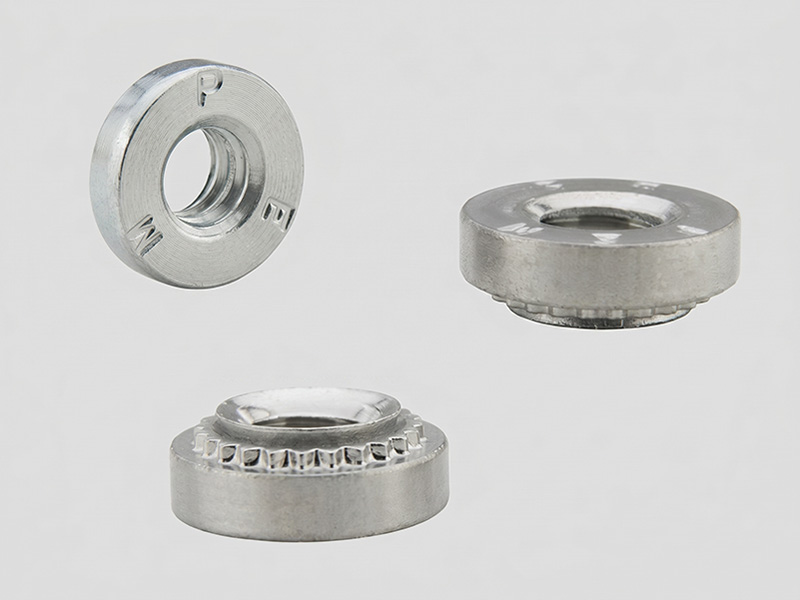
Assorted self-clinching nuts

Self-Clinching Nuts

The foundation of sheet metal assembly. We specialize in self-clinching nuts and studs hardware insertion, utilizing carbon steel (S), stainless (CLS), and specially hardened (SP) hardware to provide permanent, extremely strong, load-bearing threads in sheets as thin as 0.8mm (0.030″). Say goodbye to stripped tapped holes.

Flush-Head Studs

Essential for external component mounting. Installed cleanly so the reverse side of your sheet metal remains 100% flush. No dimples, no secondary grinding or sanding required before powder coating.

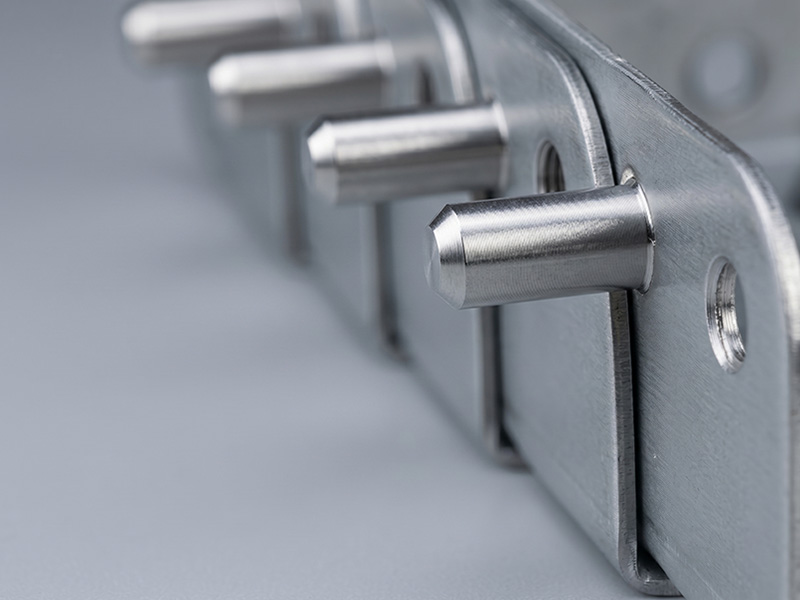
Precision electronics assembly with standoffs

Blind Standoffs

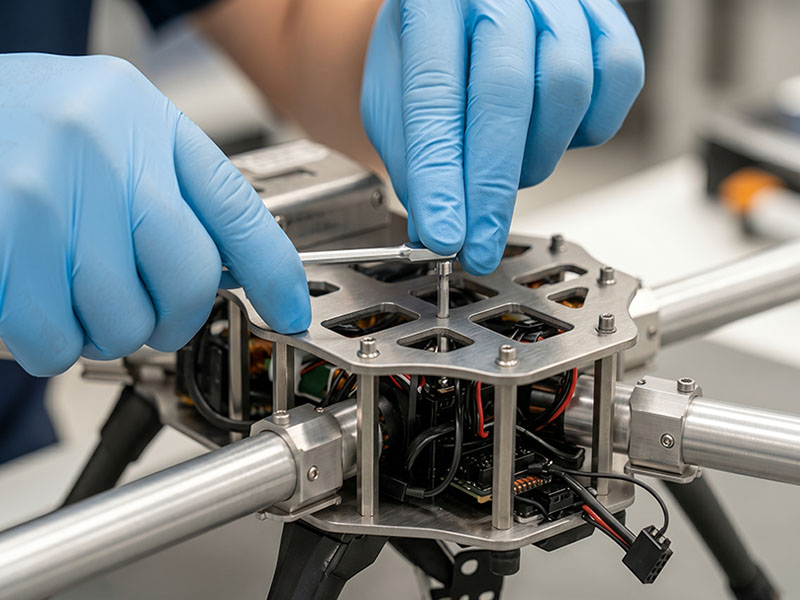
The go-to choice for hardware insertion for electronics enclosures and telecom. We install blind standoffs to mount PCBs and internal components while keeping the outer face of the chassis completely flush and sealed. This ensures a clean aesthetic while protecting sensitive internals from dust, moisture, and EMI leakage.

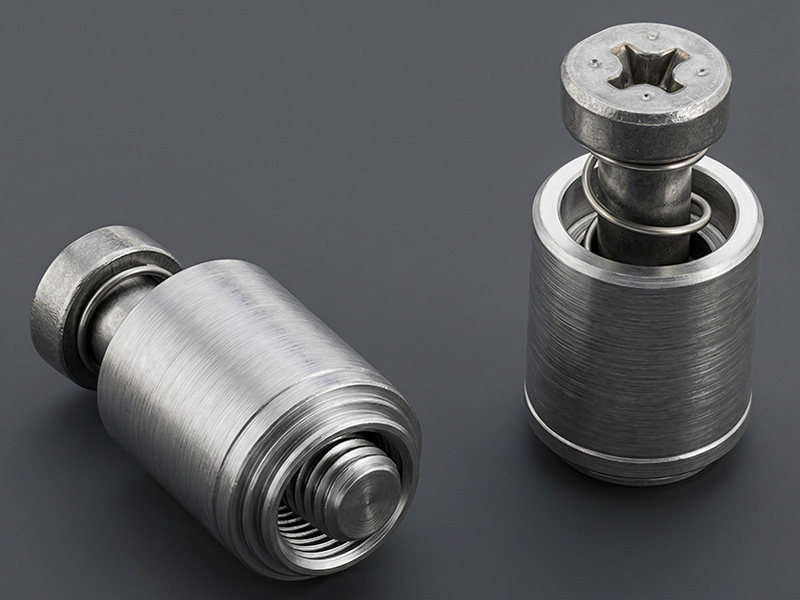
captive fasteners

Floating Nuts & Captive Panel Screws

Designed for heavy telecommunications and rack-mounted equipment. We utilize floating nuts (which provide up to 0.76mm of mating-hole misalignment tolerance) and captive fasteners to simplify end-user maintenance on 19-inch server racks and heavy-duty enclosures.

The Procurement Business Case

Engineers care about the holding torque, procurement cares about the bottom line. Managing custom sheet metal brackets and chassis shouldn’t require juggling multiple vendors or slowing down your own internal production lines. By choosing to integrate hardware during sheet metal fabrication under one roof, we engineered our turnkey manufacturing process to permanently eliminate these financial and logistical bottlenecks.

Consolidated Supply Chain

It makes zero economic sense to pay one vendor to laser cut and bend a chassis, then pay freight to ship it to another shop for hardware insertion. Every time a part changes hands, you add transit days, increase freight costs, and create QA disputes if something goes wrong. We fabricate the flat pattern, bend it, and insert the hardware under one roof.

Result: You cut out a supply chain node, eliminate WIP (Work-In-Progress) shipping costs, and slash your lead time by a minimum of 3 to 5 days.

Automated CNC manufacturing facility

Eliminate Costly Internal Bottlenecks

Many OEMs mistakenly believe they can save money by having their own assembly line workers manually install standard hardware using arbor presses or hand tools. This is a massive hidden cost. Manual insertion is incredibly slow, prone to missing hardware (which ruins finished goods), and ties up your expensive assembly labor.

Result: By outsourcing this step to our automated 1,400-parts-per-hour CNC throughput, you receive “assembly-ready” chassis. You instantly increase your own factory’s throughput and reduce assembly time with hardware insertion completed before parts even arrive at your dock.

Don’t Let Hardware Insertion Bottleneck Your Production.

Slow, manual bench insertion ruins your lead times and introduces missing-hardware defects. It is time to automate your hardware insertion process with our CNC Haeger presses. We guarantee up to 1,400 flawless insertions per hour with 100% in-tool presence detection. Stop waiting on slow vendors. Upload your STEP files and BOM today, and our engineering team will return a fully-costed quote and DFM review within 24 hours.

Frequently Asked Questions

We don’t want you guessing whether your specific application is viable or hoping your supply chain is aligned. Below are straight answers to the most common engineering and procurement obstacles we solve when installing sheet metal hardware.

What is the thinnest sheet metal gauge you can safely press hardware into?

For standard self-clinching nuts and standoffs, the absolute minimum sheet thickness is usually 0.8mm (0.030″). However, using our variable-tonnage Haeger presses and specialized low-profile hardware (like PEM SMPS series), we can successfully clinch hardware into ultra-thin aluminum enclosures without causing panel warp or dimpling. Send your STEP file to confirm.

We are a Turnkey manufacturer. We source, stock, and install genuine PEM®, Southco®, and Captive hardware to save you the logistical headache and eliminate supply chain delays. However, if your design requires proprietary or highly custom hardware, we readily accept customer-supplied (free-issue) components.

No. For cosmetic faceplates (e.g., audio equipment, medical devices), we utilize non-marring anvils (lower tooling) and apply protective film to the sheet metal during the insertion process. The flush side of the fastener will remain perfectly flat, and the surrounding metal will be free of scratches or tooling halos.

While physically possible, we strongly advise against it. Pressing hardware into previously powder-coated or painted surfaces often causes the brittle coating to micro-crack, flake, or chip around the insertion point, ruining the cosmetic finish. We standardize on pressing hardware into bare metal first, and using high-temp silicone masking plugs to keep the threads clean during the powder-coating cure cycle.

Not a problem. If your drawing simply calls for “M3 Nut,” our engineering team will evaluate the sheet thickness and material of your CAD geometry and specify the correct fastener (e.g., S-M3-1 for standard steel, or SP-M3-1 for stainless). We will note this exact callout on your RFQ for your approval.

Ready for Production? Get Your Quote and DFM Review.

Stop risking missing hardware and delayed assembly lines. Order hardware inserted sheet metal parts today by submitting your project details below. Please include your 3D CAD models (STEP/IGES) for geometry, along with your 2D PDF prints detailing your specific PEM® or custom hardware callouts.

Whatsapp

+86 13392819510

Address

Building 1, No.8, Second Street, Huangjiang Town,
Dongguan City, Guangdong Province

Socials

Please enable JavaScript in your browser to complete this form.
Click or drag files to this area to upload. You can upload up to 3 files.
Scroll to Top

Let's Talk About Your Project