



Frequently Asked Questions
We believe in total engineering transparency. Before you submit your RFQ, review our technical capabilities, material compatibilities, and processing standards to ensure our E-coat line is the right fit for your application.
What materials and substrates can be processed in your E-coat line?
Because electrocoating requires an electrical circuit, the substrate must be highly conductive. We routinely process Cold Rolled Steel (CRS), Hot Rolled Steel (HRS), Galvanized Steel, Aluminum, and Iron castings.
Note: Hot Rolled Steel must pass through our integrated laser scale removal or be mechanically blasted prior to coating to ensure proper adhesion.
Does Cathodic Epoxy E-Coat require a topcoat, or can it stand alone?
It depends on your specific application environment. Cathodic Epoxy offers extreme corrosion and chemical resistance, making it the ultimate standalone finish for underbody components, engine compartments, and internal cavities. However, epoxy will undergo an aesthetic surface degradation known as chalking under continuous direct sunlight. If your part is exposed to prolonged UV rays, such as an exterior tractor panel, our electrocoat serves as the perfect high adhesion primer for a secondary liquid or powder topcoat.
How will a 15-35 micron coating thickness affect my tight machining tolerances and threaded holes?
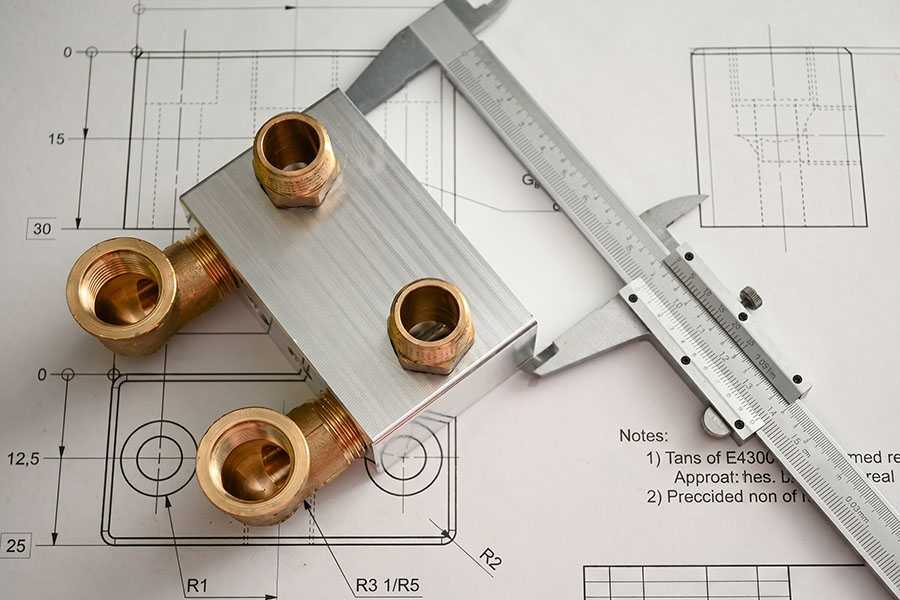
Unlike powder coating, which pools in corners and bridges across threads, electrocoating applies a highly uniform 15 to 35 micron (0.6 to 1.4 mils) film that precisely follows the microscopic contours of your geometry. In most cases, standard mating surfaces assemble flawlessly without masking. However, for highly critical metric threads such as M4 or smaller, or strict grounding points, simply indicate the masking zones on your CAD print. We utilize high temperature silicone plugs to protect those specific tolerances.
We have complex tubular frames. Will E-coating really coat the inside of the tubes?
Yes, provided you design proper drainage. This is the primary advantage of E-coat over powder coating. By immersing the part and applying electrical current, the paint is forced into deep recesses and internal tube diameters where a spray gun’s line-of-sight cannot reach, completely eliminating internal rusting. (Please review our DFM guidelines regarding weep holes to ensure full liquid penetration).
