












Frequently Asked Questions
Before you upload your CAD files, you need to know how we actually do business. We do not hide our minimums (MOQs), lead times, or documentation protocols. Here are straight answers to the exact logistical questions medical engineering and procurement teams ask us every day.
What is your Minimum Order Quantity (MOQ) for medical components?
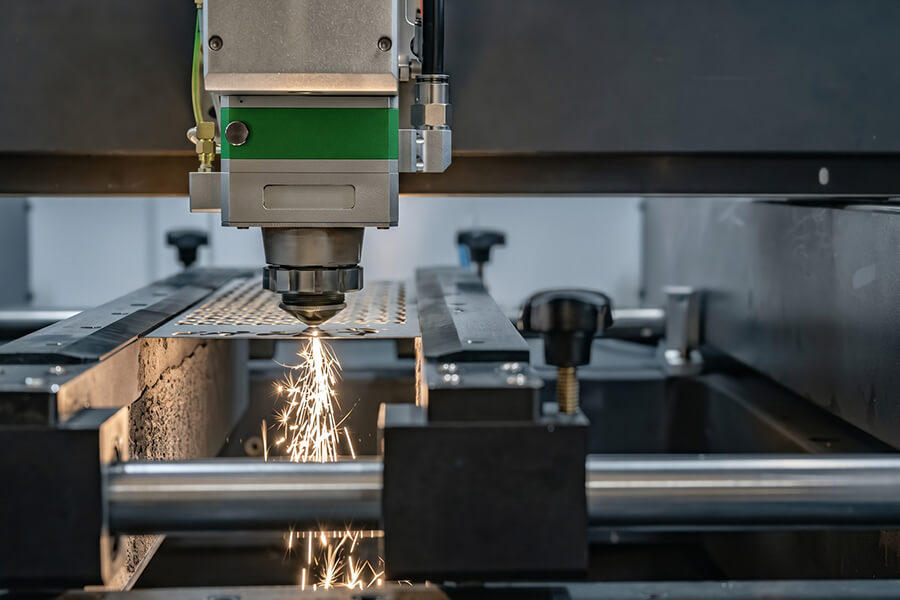
We do not enforce strict MOQs. We routinely process single-piece rapid prototypes for FDA 510(k) testing and clinical trials. Once your design is validated, we seamlessly scale to blanket orders of 10,000 to 100,000+ units using automated progressive die and laser cells.
What are your standard lead times for prototyping vs. production?
First-article prototypes typically ship in 5 to 7 business days. For high-volume production, lead times depend on material availability and finishing requirements. However, because we handle passivation, electropolishing, and assembly in-house, we consistently shave 1 to 2 weeks off traditional fragmented supply chain lead times.
My 3D CAD model isn't completely finalized. Can you still quote and review it?
Absolutely. We prefer to get involved early. Upload your current .STEP file, and our manufacturing engineers will perform a free DFM (Design for Manufacturability) review. We will flag cost-drivers, such as non-standard bend radii or difficult weld joints, before your design is locked in for regulatory approval.
What specific documentation will ship with my medical parts?
Audit-readiness is guaranteed. Depending on your PO requirements, your shipment will include full lot traceability, Material Test Reports (MTRs) from the mill, Certificates of Conformance (CoC), and finishing/plating certifications. AS9102 format First Article Inspection (FAI) reports are provided upon request.
How do you package parts to prevent contamination before cleanly assembly?
We understand that medical parts cannot arrive in a dusty cardboard box. Following passivation or ultrasonic cleaning, components can be vacuum-sealed or packed in particulate-free, anti-static bagging. This prevents cross-contamination and foreign object debris (FOD) during transit to your cleanroom facility.
