The primary difference between NEMA and IP ratings is that IP ratings primarily measure protection against dust and water, while NEMA ratings also measure resistance to real-world environmental hazards like corrosion, ice, and oil. IP is an international standard, whereas NEMA is widely used in North America.
As a fabrication engineer at ShincoFab, I oversee the design and manufacturing of thousands of custom sheet metal enclosures every year. And frequently, I see the same expensive mistake where buyers overpay for excessive protection ratings they don’t actually need, or they spec the wrong box and end up ruining their equipment.
In this guide, I will skip the generic definitions and show you exactly how to choose the right enclosure from a true manufacturer’s perspective. You will learn how to decode the numbers, match the right box to your environment, and avoid the hidden field traps we consistently see our clients fall into.
The One-Way Conversion Rule (Read This First)
If you are reading this because you need to convert an international IP rating to a North American NEMA rating for a current project, you need to know the general rule immediately. You can typically convert a NEMA rating into an IP rating, but not the other way around.
If ShincoFab builds a box that passes a NEMA 4 test, we know it will automatically pass an IP66 water test. But the IP66 standard does not require testing for ice expansion or rust, so an IP66 box cannot legally be certified as NEMA 4. Specifying a European IP rating for an American outdoor project often leads to rapid field failures and voided equipment warranties.
Why a Waterproof Label Isn’t Good Enough
Clients often send us CAD drawings at ShincoFab with a simple request for a completely waterproof enclosure. But as sheet metal fabricators, we first need to clarify what that term means in the actual operating environment.
Does the enclosure only need to withstand light rain, or will it face washdown, wind-driven water, dust, corrosive fluids, or temporary immersion in a processing tank? Terms such as “sealed,” “water-resistant,” and “waterproof” do not define a measurable design or test requirement on their own.
Instead, enclosure performance should be specified using recognized protection classifications. NEMA enclosure types define environmental protection requirements for electrical enclosures, including exposure to rain, windblown dust, splashing water, hose-directed water, and other conditions. For globally specified equipment, the IEC 60529 IP Code classifies an enclosure’s protection against solid-object and liquid ingress using its two-digit IP rating.
To protect the equipment, support warranty requirements, and manufacture the enclosure correctly, specify the required NEMA Type or IP rating instead of just asking for a waterproof box. This gives the fabrication team a clear engineering target for seams, doors, gaskets, fasteners, cable entries, welds, and verification testing.
What Is an IP Rating? The Global Standard
IP (Ingress Protection) is a globally used enclosure-classification system based on IEC 60529. It describes how well an enclosure resists the entry of solid foreign objects and water. For ShincoFab customers serving international markets, an IP code gives engineers, buyers, and fabricators a clear and testable protection target.
How to Read an IP Code
An IP rating normally consists of the letters “IP” followed by two characteristic numerals.
- First digit (0–6): Protection against access to hazardous parts and the ingress of solid foreign objects. A rating of 6 means the enclosure is dust-tight.
- Second digit (0–9): Protection against water ingress, ranging from dripping water to jets and immersion. The IP-code digits define separate protection levels for solid objects and liquids.
Let’s look at IP66, one of ShincoFab’s most frequently requested specifications. The first “6” means dust-tight protection; the second “6” means protection against powerful water jets. Under the IPX6 water-jet test conditions, the enclosure is exposed to water from a 12.5 mm nozzle at 100 L/min and 100 kPa from approximately 3 m away for at least three minutes.
Achieving IP66 requires attention to the complete enclosure system, rather than sheet-metal bending alone. Depending on the design, this can include continuous seam welding, properly compressed door gaskets, sealed cable-entry hardware, controlled door alignment, and finished-assembly validation testing.
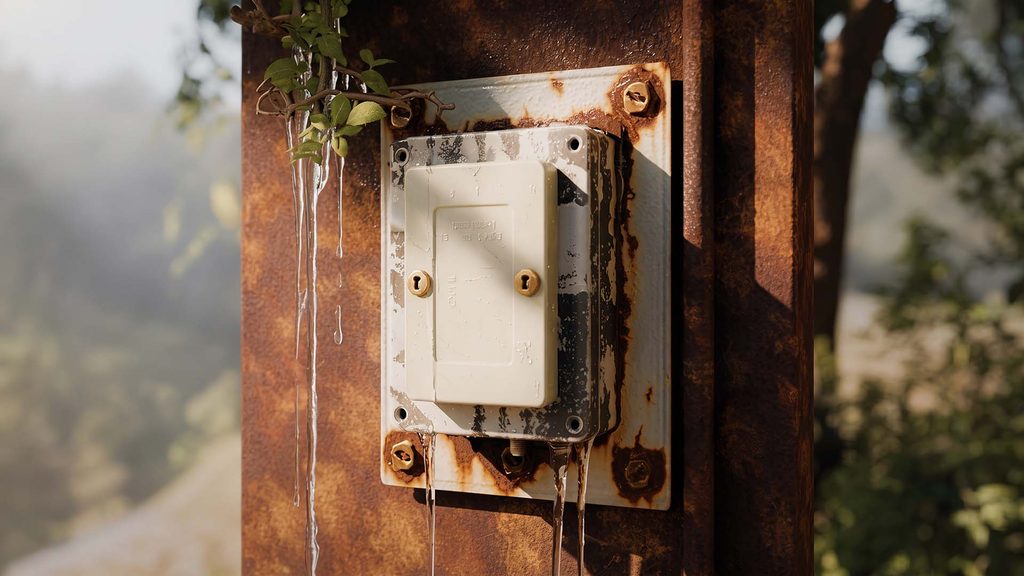
However, IP ratings do not fully define every environmental risk. They do not, by themselves, specify corrosion resistance, material durability in salt-laden coastal air, or performance under external ice formation. When these conditions are important, the customer should specify the applicable enclosure Type and environmental requirements in addition to the IP rating, because enclosure type designations identify suitability for specified environmental conditions.
What Is a NEMA Rating? The North American Standard
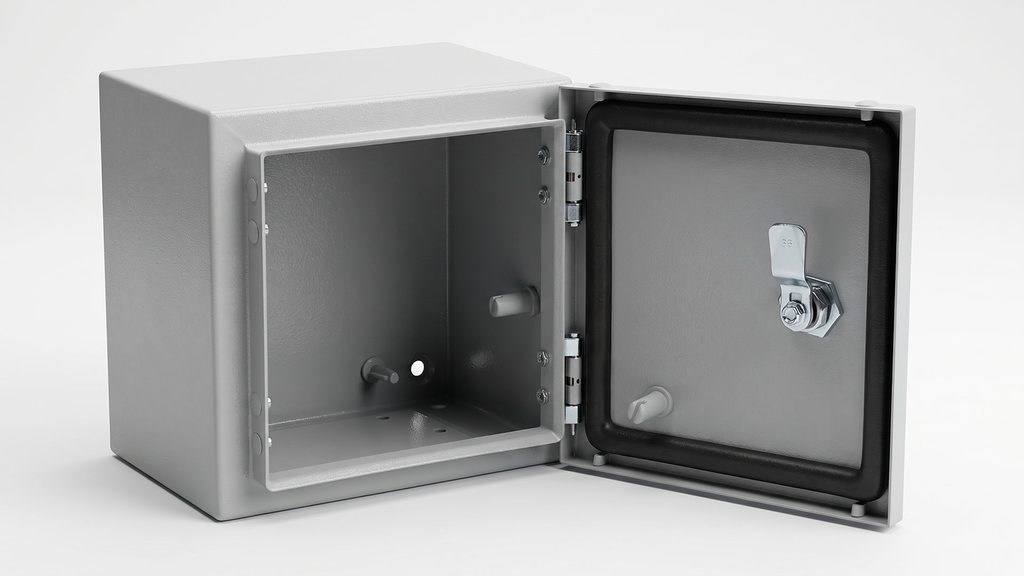
NEMA enclosure Types provide a recognized classification system for electrical enclosures used in North American industrial projects. When a customer specifies a NEMA Type, such as NEMA 3R, 4, 4X, or 12, the requirement defines the environmental protection the finished enclosure must provide.
Additional Protection Covered by NEMA
While IP ratings primarily classify protection against solid-object and water ingress, NEMA enclosure Types can also address additional environmental conditions. Depending on the Type specified, these conditions may include rain, windblown dust, hose-directed water, external ice formation, oil or coolant exposure, and corrosion resistance.
For example, a NEMA 4X enclosure is intended for indoor or outdoor use where protection from dust, hose-directed water, and corrosion is required. The “X” indicates an additional corrosion-protection requirement beyond a standard NEMA 4 enclosure. Under the applicable corrosion evaluation, type 4X enclosures undergo an additional 200-hour salt-spray comparison test against Type 304 stainless steel.
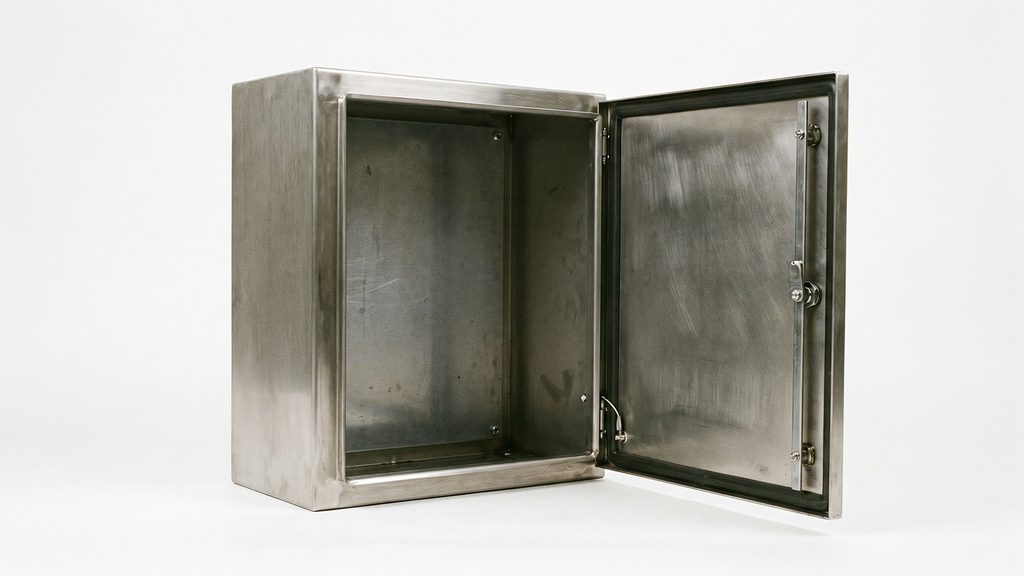
At ShincoFab, achieving a NEMA 4X design requires more than selecting corrosion-resistant sheet metal. Every component of the complete enclosure system must be selected for the intended environment. This includes the base material, surface finish, weld quality, door gasket, hinges, latches, fasteners, and cable-entry components. Type 304 or Type 316 stainless steel is often a practical material choice for corrosive, washdown, or coastal applications, but the final material and construction should always be matched to the customer’s required NEMA Type, operating environment, and applicable compliance requirements.
Most Common NEMA Ratings We Fabricate
- NEMA 1: Basic indoor protection. We punch these out of standard cold-rolled steel. It keeps fingers out, but it is not waterproof.
- NEMA 3R: Basic outdoor protection (rain, snow, sleet). We typically incorporate drip shields and louvers in the sheet metal design for these.
- NEMA 4 & 4X: Heavy-duty outdoor protection. Survives direct hose washdowns. NEMA 4X enclosures require corrosion-resistant materials. Manufacturers use 304 or 316-grade stainless steel to achieve this rating.
- NEMA 12: Industrial indoor protection. Blocks circulating dust and dripping oil.
The Hidden Risk of IP Ratings Outdoors
The biggest mistake we see buyers make is putting an IP66 carbon steel box near the ocean. Yes, it is highly water-resistant. But within six months, the salt will likely eat right through the hinges. IP ratings do not test for salt corrosion. If you are outdoors in North America, you should strongly consider a NEMA rating.
NEMA to IP Conversion Cheat Sheet
Use this direct conversion guide to match North American NEMA ratings to international IP codes.
| NEMA Rating | Equivalent IP Rating |
|---|---|
| NEMA 1 | IP20 |
| NEMA 3R | IP24 |
| NEMA 4 | IP66 |
| NEMA 4X | IP66 (Plus corrosion resistance) |
| NEMA 12 | IP54 |
How Much Do NEMA and IP Enclosures Cost?
As the fabricators buying the raw metal and welding these boxes, we see the immediate financial impact of your specifications: upgrading to a premium rating often creates a significant price jump.
Many buyers think they should specify NEMA 4X purely for peace of mind. For a standard 12×12 enclosure, a basic NEMA 1 carbon steel box might cost around $50 to fabricate. However, the exact same size in NEMA 4X (requiring 316 stainless steel and specialized TIG welding) can typically cost upwards of $250, depending on current raw material market prices.
That represents roughly a 400% price premium for protection your indoor warehouse simply doesn’t need. Buy exactly what your environment dictates.
How to Maintain IP and NEMA Ratings After Installation
What is the most common reason our highly-rated ShincoFab NEMA 4 enclosures fail in the field? Human error during installation.
When we ship a rated box, that rating applies to the factory-sealed shell. But your electricians have to get wires inside, so they drill a hole. The second that drill bit breaks our meticulously welded metal, your expensive NEMA 4 rating is essentially compromised.
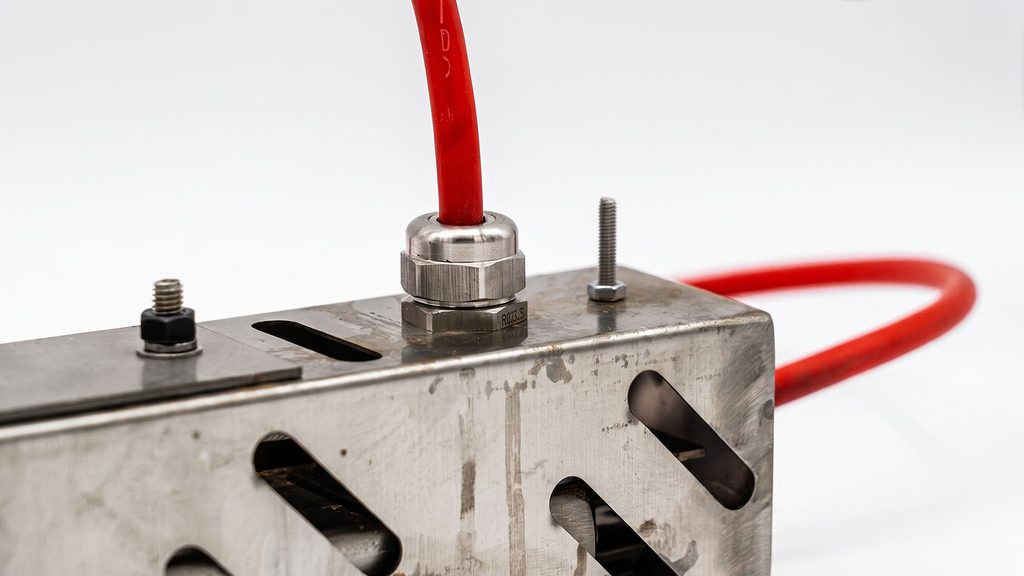
To maintain the rating, you must use properly rated cable glands (like NEMA 4 or IP68 rated cord grips) to seal the hole. We recently had a client use cheap, unrated plastic connectors on one of our premium NEMA 4 enclosures. During a facility washdown, water flooded the box in less than 30 seconds, destroying their VFD drive worth thousands of dollars.
Don’t let a few dollars saved on an unrated connector ruin your custom-fabricated hardware.
Frequently Asked Questions
Can IP66 be used outside?
Yes, an IP66 enclosure is protected against heavy water jets and can technically be used outdoors. However, it is not recommended for harsh environments because IP ratings do not test for UV exposure, freezing rain, or salt corrosion. If installed outdoors in North America, a NEMA 3R, 4, or 4X rating is typically required.
Is NEMA 4 the same as IP66?
No, they are not exactly the same. A NEMA 4 enclosure will meet or exceed all IP66 water and dust tests, but an IP66 enclosure cannot be classified as NEMA 4. This is because NEMA 4 includes additional strict testing for external ice formation and rust, which IP66 ignores.
What is the IP equivalent of NEMA 3R?
The closest international equivalent to NEMA 3R is IP24. While IP24 protects against solid objects over 12.5mm and splashing water, NEMA 3R adds specific, real-world outdoor protections against falling dirt, rain, sleet, snow, and external ice formation.
Next Steps for Your Enclosure Project
A cheap NEMA 1 box installed correctly is often far more reliable than an expensive NEMA 4X box with an unsealed drill hole.
Before you place your next fabrication order, walk through your project site. Check for water, dust, and chemicals. Spec the exact rating you need, and don’t overpay for stainless steel if cold-rolled steel will do the job.
If you are still unsure which rating your custom project requires, reach out to our engineering team at ShincoFab. We can help you design and fabricate the exact enclosure for your specific environment.