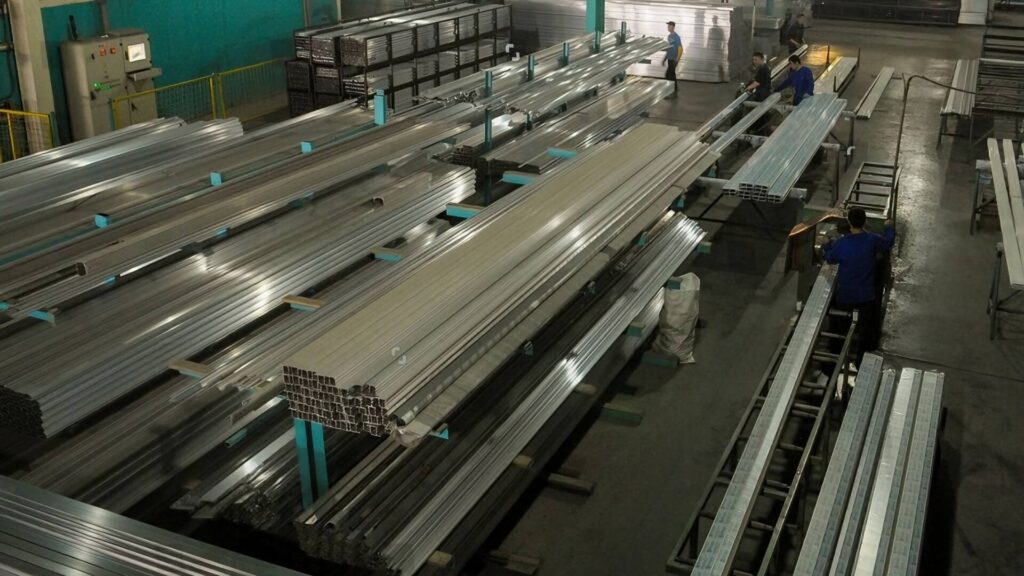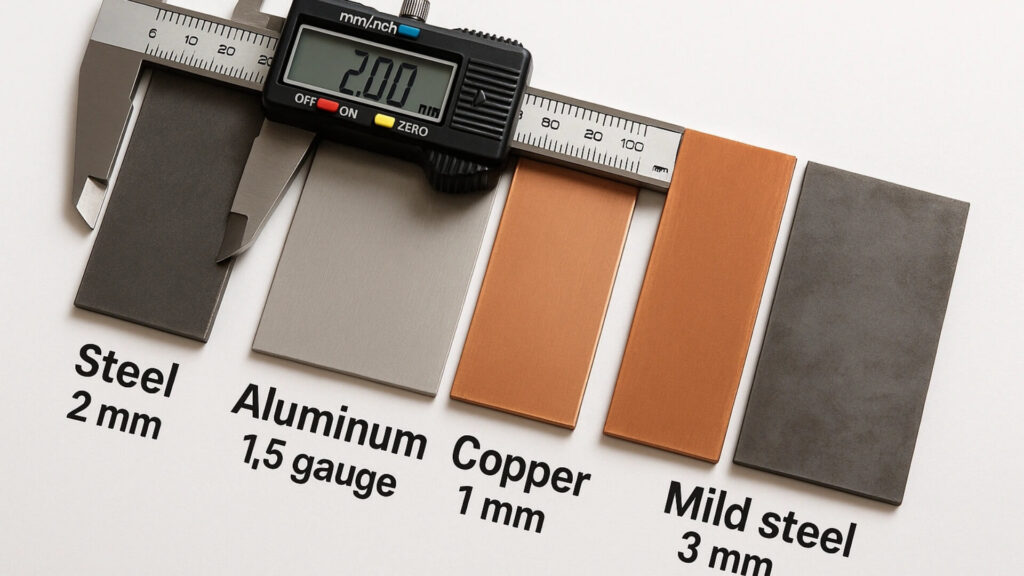
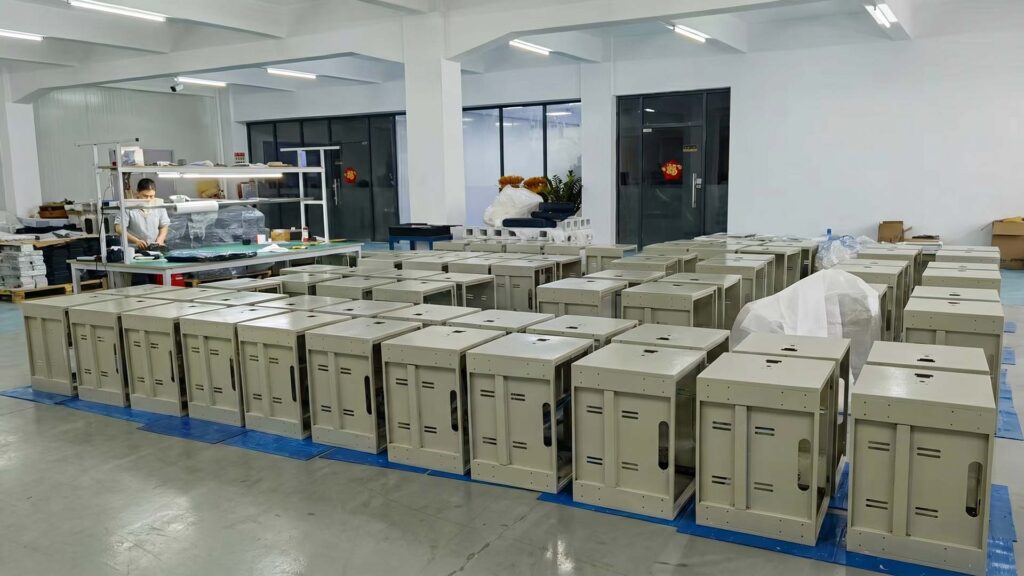
As someone who oversees the sheet metal fabrication floor at ShincoFab, I’ve watched raw sheets of steel turn into these exact enclosures every day. Over the years, I have seen people waste thousands of dollars by picking the wrong box or misunderstanding how they are built. You do not want to fail an inspection or fry your expensive electronics.
In this guide, I will give you the straight facts from a manufacturer’s perspective. You will learn the exact differences between these two ratings, how to choose the perfect one, and the manufacturing secrets that make one cost four times as much as the other. I will show you the real price gap, how to modify your box safely, and when paying extra for NEMA 4X is worth it.
By the end of this page, you will know exactly which enclosure you need to protect your gear and your budget.
The Quick Answer: What’s the Difference?
The main difference between NEMA 3R and NEMA 4X comes down to two things: water pressure and rust.
If your enclosure just needs to sit outside and survive falling rain or snow, NEMA 3R does the job. But it has strategically punched ventilation holes. If you hit it with a pressure washer, water will get inside.
NEMA 4X is fully sealed. On our factory floor, we use continuous seam welding and thick gaskets to ensure it is built to survive direct, high-pressure hose-downs. The X designation indicates corrosion resistance. This means it highly resists rust when exposed to salt, harsh chemicals, or fertilizers.
The main difference between NEMA 3R and NEMA 4X enclosures is that NEMA 3R protects against falling weather and allows natural ventilation, while NEMA 4X is fully watertight, completely sealed against airborne dust, and made from corrosion-resistant materials.
| Feature | NEMA 3R | NEMA 4X |
|---|---|---|
| Water Protection | Falling rain, snow, and sleet | High-pressure hose spray |
| Dust Protection | Falling dirt | Windblown dust and fine powder |
| Rust Protection | None (can rust over time) | High (usually stainless steel or fiberglass) |
| Ventilation | Vented (lets heat escape naturally) | Fully sealed (holds heat inside) |
| Price | Budget-friendly | Premium price |
What is a NEMA 3R Enclosure?
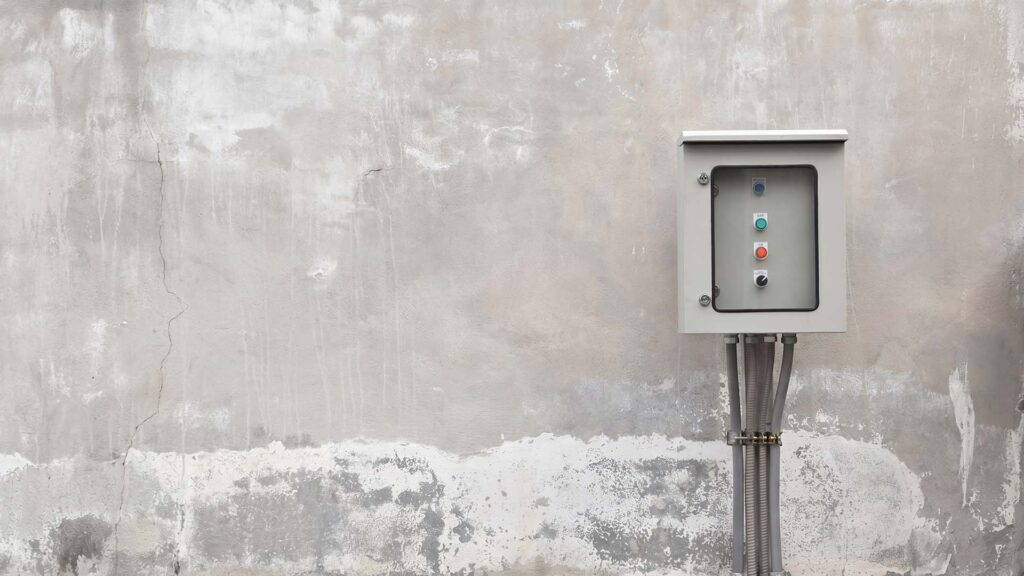
A NEMA 3R enclosure is a vented outdoor electrical box designed to protect equipment against falling rain, sleet, snow, and dirt. Think of a NEMA 3R enclosure as a heavy-duty umbrella for your electrical parts. It will not survive a flood, but it easily handles a tough rainstorm.
How It Protects Your Gear
The biggest benefit of a NEMA 3R box is that it keeps falling rain and snow off your sensitive equipment. When we form a NEMA 3R box on our press brakes, we intentionally design a slight overhang at the top, allowing water to drip right off.
Because a 3R box is not perfectly sealed, we punch built-in louvers into the sheet metal during fabrication. This allows hot air to escape naturally. If you have electronics that generate heat, you won’t have to worry about them baking inside a sealed metal oven.
Finally, it protects your wallet. Because the design does not require us to apply expensive poured-in-place watertight gaskets on the assembly line, a NEMA 3R box is highly budget-friendly.
Where You Should Use NEMA 3R
You see NEMA 3R enclosures every day. They are the standard gray boxes attached to the outside of almost every house and commercial building.
You should use a NEMA 3R box for:
- Basic outdoor utility and junction boxes.
- Residential electric meters.
- Lighting and HVAC controls.
- Any equipment placed under a roof or awning.
What is a NEMA 4X Enclosure?
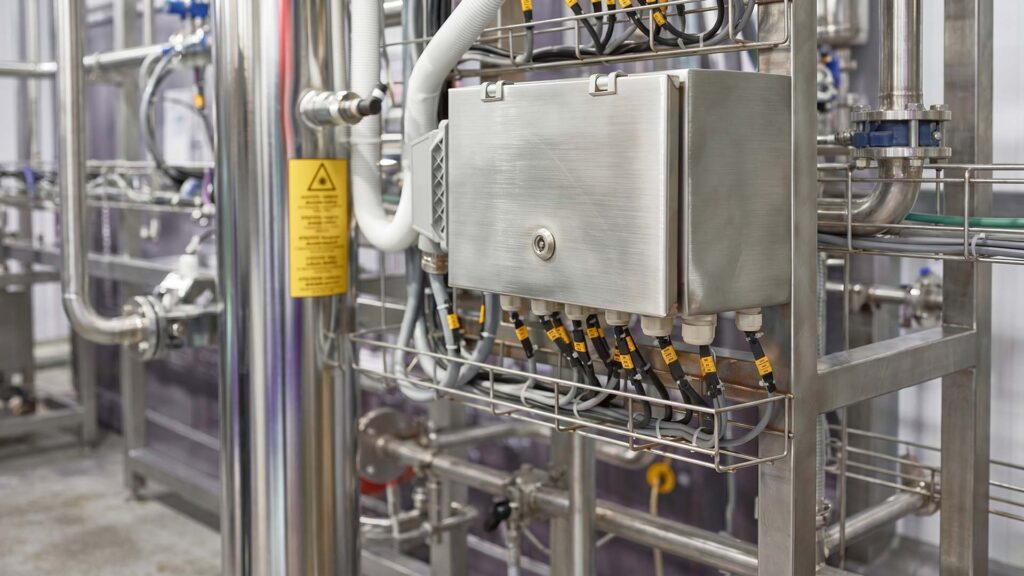
A NEMA 4X enclosure is a fully sealed, watertight electrical box designed to protect equipment against high-pressure washdowns, windblown dust, and severe corrosion. If NEMA 3R is an umbrella, NEMA 4X is a watertight bank vault. It is built to take a serious beating.
How It Protects Your Gear
A NEMA 4X box uses thick, tight gaskets to completely seal its doors. At ShincoFab, building these requires a completely different level of precision. We have to ensure every welded seam is flawless before applying the seals. This closed design delivers three massive benefits.
First, it blocks heavy water spray. You can blast this enclosure directly with a high-pressure hose, and the inside stays bone dry.
Second, it stops windblown dust. Fine dirt, powder, and debris cannot sneak through the cracks to fry your circuits.
Third, it fights off rust. The “X” in 4X stands for corrosion resistance. Because these boxes are usually made of premium 304 or 316 stainless steel (which is significantly harder to machine and weld than standard carbon steel), or tough fiberglass, they provide exceptional defense against corrosion when covered in harsh chemicals, fertilizers, or salt.
Where You Should Use NEMA 4X
You need NEMA 4X when the environment is actively trying to destroy your equipment.
You should use a NEMA 4X box for:
- Food processing plants that require daily hose-downs.
- Coastal areas near salty ocean air.
- Chemical plants and wastewater facilities.
- Highly dusty factories or agricultural sites.
Head-to-Head: The 4 Big Differences
Water Protection
A NEMA 3R enclosure is designed for outdoor use and is tested against falling rain, sleet, and snow, but it is not intended for direct hose-down conditions. In contrast, a NEMA 4X hose-down test is much more demanding: the enclosure must withstand a 1-inch hose delivering 65 gallons per minute from about 10 to 12 feet away, with no water entering the enclosure.
Dust and Dirt
NEMA 3R stops falling dirt and large objects. But it has unsealed gaps. Wind can easily blow fine dust right inside.
NEMA 4X uses tight rubber gaskets to stop windblown, airborne particles. If you work near cement, grain, or heavy sawdust, you need that airtight seal to protect your circuits.
Rust and Corrosion
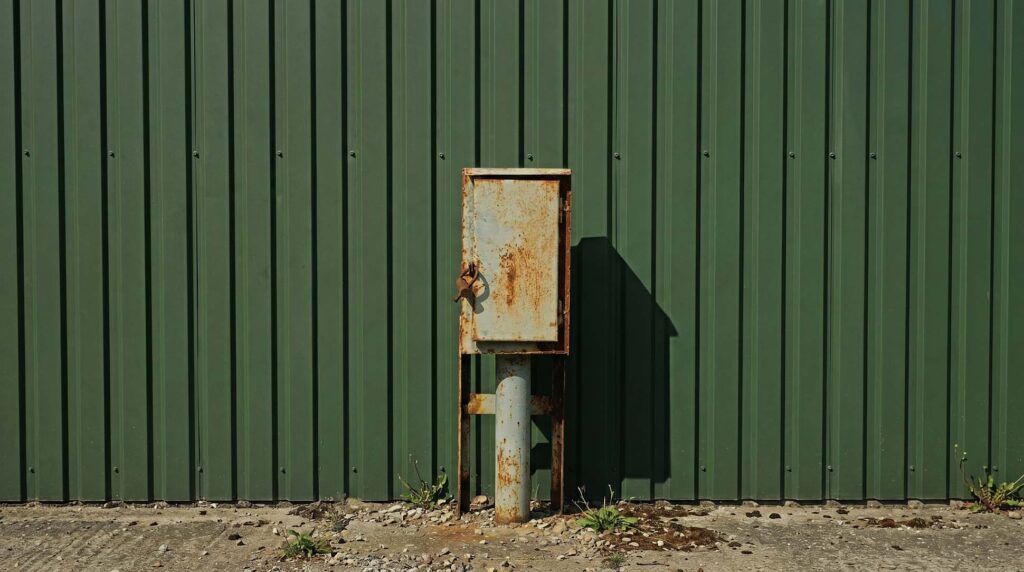
Standard 3R boxes are usually made of carbon steel with a basic powder coating. We apply tough industrial paint, but if that paint gets scratched on the job site, the metal will eventually rust.
NEMA 4X boxes fight back. They are built from tough materials like 304 or 316 stainless steel, polycarbonate, or fiberglass. You can expose them to harsh chemicals or salt water, and they will not corrode.
Ventilation and Internal Condensation
Here is a real-world problem many buyers ignore. Many buyers ignore a critical real-world problem: heat-generating electronics, like VFDs, easily overheat inside a fully sealed NEMA 4X box.
Imagine a 90-degree summer day. A vented NEMA 3R box breathes, allowing hot air to escape naturally. But a perfectly sealed NEMA 4X box acts like a greenhouse. Internal temperatures can quickly spike past 130 degrees, which will fry your equipment.
NEMA 4X enclosures are fully sealed. Sealed enclosures trap internal heat from electronics. Trapped heat creates internal condensation. Therefore, hot electronics require a NEMA 4X-rated breather vent or cooling unit.
The Geography & Code Test: Pick Based on Your Environment
Sometimes, the decision is made for you. Your local weather and city inspector dictate exactly what to buy.
Do you live in Florida near the ocean? That salty coastal air will eat a standard NEMA 3R box alive. You need the rust-proof power of NEMA 4X.
What if you live in dry, mild Arizona? In that case, NEMA 3R is plenty. You do not need expensive corrosion protection in the desert.
Next, consider your building codes. Will an inspector fail your site if you use a NEMA 3R box in a dusty agricultural facility? Yes, they often will.
Safety codes demand that you match the enclosure type to the hazards in the room. The NEMA enclosure types standard shows that NEMA 3R is intended for outdoor weather exposure such as rain, sleet, and snow, but not for windblown dust or hose-down conditions.
The Price Gap vs. Failure Realities: Is 4X Worth It?
NEMA 4X costs more. A standard 24×24 NEMA 3R carbon steel box costs about $150. The exact same size in NEMA 4X 316 stainless steel costs around $600. From a manufacturing standpoint, you are paying for raw material costs (316 stainless is expensive), specialized welding labor, and rigorous leak testing. You are paying four times as much for that extra protection.
That price jump hurts.
Imagine you put a $100 NEMA 3R box in a dusty woodworking shop. It works fine for a month. Then, fine windblown dust sneaks through the vents and completely fries a $3,000 drive.
Now, you have to buy a new drive. You also have to pay an electrician for emergency labor, and your whole production line is shut down. That “cheap” box just cost you thousands of dollars.
If you had bought a $400 NEMA 4X box upfront, your gear would still be safe from environmental damage.
The Modification Trap: Don’t Ruin Your NEMA Rating
You just bought a pristine, fully sealed NEMA 4X enclosure. But you still need to get power to your equipment inside.
As a manufacturer, nothing hurts more than watching a customer take a cheap hole saw to a pristine NEMA 4X enclosure we just spent hours perfectly sealing.
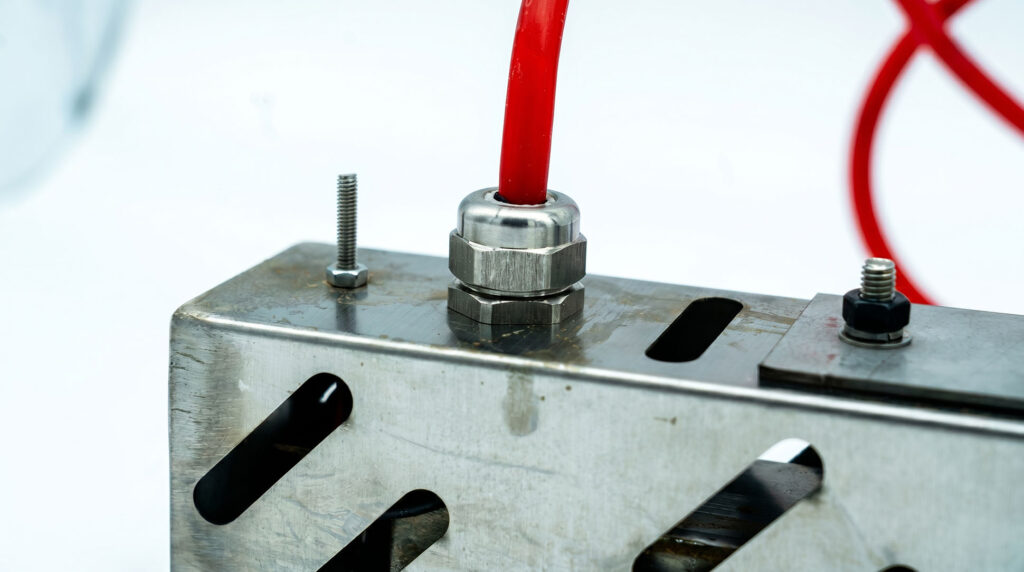
The second you drill into that metal, your expensive 4X box instantly becomes a leaky NEMA 1. It is no longer watertight. Dust and water will pour right through that bare hole.
But do not panic. You can still modify the box. You just have to use the right hardware.
When you run a wire, you must use proper watertight cable glands. These heavy-duty fittings grip the cable tightly and restore the rubber seal. What if your internal equipment gets too hot? Do not just cut a hole and bolt on a standard exhaust fan. You must install a NEMA 4X-rated breather vent or a fully sealed cooling unit.
The rule is simple. Every accessory you bolt onto the box must match the NEMA 4X rating.
Common Buying Mistakes to Avoid
Before you hit the checkout button, double-check your plan. Here are the most common mistakes buyers make.
- Using NEMA 3R in washdown areas. It seems obvious. But people still try to save money by putting a vented 3R box in a food plant. The pressure washer will quickly ruin your electronics.
- Thinking NEMA 4X is a submarine. NEMA 4X can take a heavy hose blast. But it cannot be dropped to the bottom of a lake. If your box will be completely underwater, you need a NEMA 6 rating.
- Ignoring the heat trap. Buyers often seal hot electronics in a 4X box without a vent. The gear bakes, sweats, and dies.
- Buying NEMA 4X for no reason. Do not overspend just because 4X sounds tougher. If your box sits under a calm, dry awning, keep your cash and buy 3R.
Frequently Asked Questions
Can I use a NEMA 3R enclosure indoors?
Yes, you can use a NEMA 3R enclosure indoors. While designed for outdoor rain, a NEMA 3R box safely protects indoor equipment from falling dirt. However, if your indoor facility has splashing water or heavy dust, NEMA 3R will fail.
Is NEMA 4X completely waterproof?
No, a NEMA 4X enclosure is not completely waterproof. While it is highly water-resistant and will easily survive a direct blast from a heavy hose, you cannot drop it into a pool or leave it completely submerged. If your box will live underwater, you need a NEMA 6 rating.
Is NEMA 4X better than NEMA 12?
Whether NEMA 4X is better than NEMA 12 depends on your room. NEMA 12 is built strictly for indoor use to stop dust and light dripping water. NEMA 4X is technically tougher because it handles outdoor weather, direct hoses, and rust. However, if you are safely indoors with no corrosive chemicals, NEMA 12 is usually cheaper and works perfectly.
Conclusion
Stop over-specifying NEMA 4X just to feel safe. Never under-specify your enclosure just to save a quick buck.
Treat your enclosure choice as an insurance policy.
You should use NEMA 3R to save money only if you can guarantee the box’s surroundings. It must never see a heavy hose, salty air, or fine dust. If your site is calm and predictable, buy the 3R and keep your cash.
But industrial environments are rarely perfect. Is there even a 10% chance a worker will spray that box with a pressure washer? Do not risk your expensive electronics.
The high upfront cost of a NEMA 4X enclosure is the cheapest insurance policy you will ever buy.
Now that you know exactly what your project demands, you are ready to make the choice. As a sheet metal fabrication factory, our team at ShincoFab builds these enclosures every day. We know the specs inside and out, from the raw sheet metal to the final welded seam. We want you to get the exact protection you need without paying for unnecessary upgrades. Grab the right enclosure for your environment, and get your gear safely wired up today.