If you are trying to protect expensive electrical gear from water, you have probably seen the ratings IP66 and IP67. But which one do you actually need?
In this guide, I will break down the exact differences between IP66 and IP67 in plain English, using real examples from our fabrication floor. I will show you why IP67 can actually fail where IP66 succeeds, explain the hidden manufacturing costs, and help you choose the perfect rating for your specific project.
By the end of this article, you will know how to determine which waterproof rating you need to keep your equipment safe.
What is the Difference Between IP66 and IP67?
Let’s clear up the biggest myth right now. A higher number does not mean better protection. IP67 is not a direct upgrade to IP66.
They are distinct solutions built for different hazards. IP66 blocks water jets. The enclosure uses drip shields. IP67 blocks submersion. The enclosure uses compression seals.
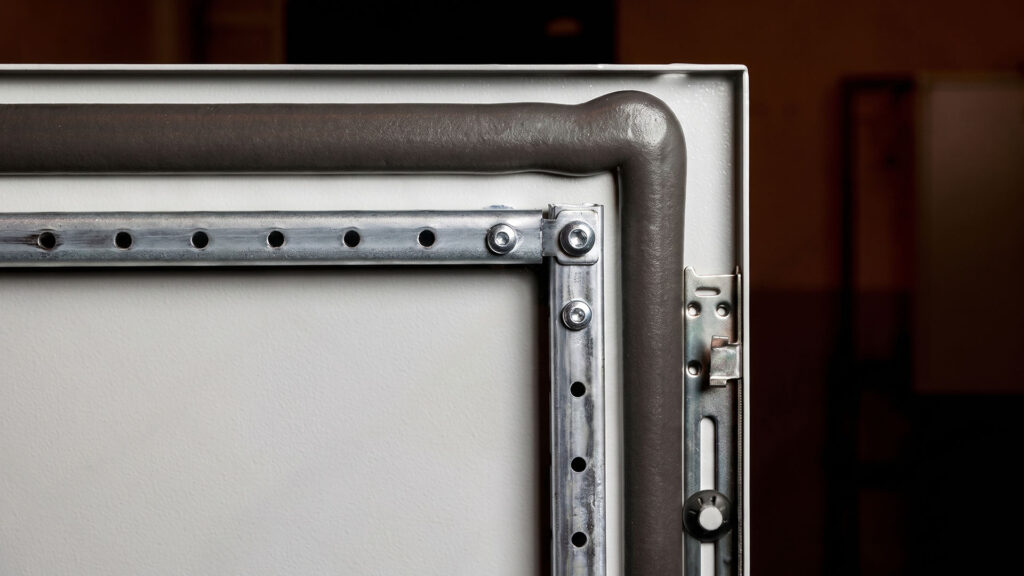
If you mix these up, you risk damaging your gear. Just last month, a client came to ShincoFab asking for a custom IP67 stainless steel box for a food processing plant. When I asked about their cleaning process, they mentioned high-pressure hot water washdowns. I had to stop them immediately. An IP67 box would have failed that washdown.
Don’t just buy the highest number you see. You have to match the rating to your actual environment.
How IP Ratings Work (In Plain English)
IP stands for Ingress Protection, a global standard defined by the International Electrotechnical Commission (IEC 60529). This rating system measures how well an enclosure blocks out solid objects and liquids. Every IP rating has two numbers.
The First Digit (6): Total Dust Protection
The first number tells you how well the gear blocks solid objects like dirt and dust. The scale goes from 0 to 6.
Both IP66 and IP67 start with a 6. This is the highest score possible. The number 6 indicates total dust protection. Microscopic dust threatens electrical components. Our factory utilizes continuous seam welding to seal these entry points. At ShincoFab, choosing this method over spot welding virtually eliminates microscopic gaps in the sheet metal.
The Second Digit (6 vs. 7): How It Handles Water
The second number is all about liquids. This scale goes from 0 to 8. This is where IP66 and IP67 part ways.
A 6 means the box can take a beating from heavy water jets. A 7 means it can survive being dropped underwater for a short time.
What is IP66? (The Heavy Rain & Washdown Hero)
IP66 is an ingress protection rating that certifies an electrical enclosure is fully dust-tight and protected against high-pressure water jets from any direction. It is designed to survive heavy rain and industrial washdowns.
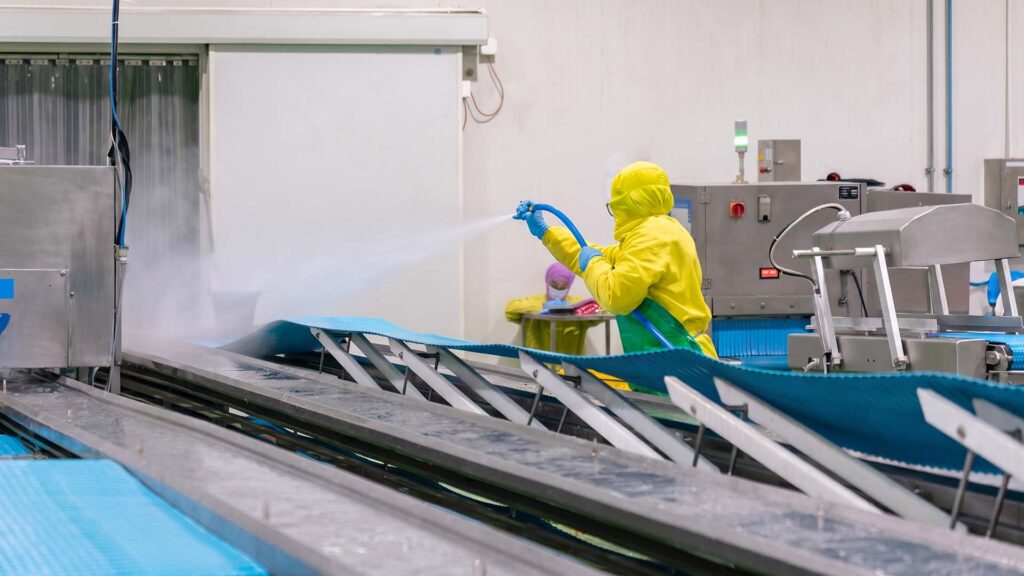
High-velocity water attacks the hardware. The IP66 rating deflects this force. The enclosure utilizes active drainage. In North America, IP66 is roughly equivalent to a NEMA 4X rating, though the testing methods differ slightly.
The Benefits of IP66
The main benefit of IP66 is its ability to survive high-pressure hoses and violent storms. When we fabricate an IP66 enclosure, we design specific rain gutters (drip shields) into the sheet metal and use robust door clamps to deflect heavy, driving water from any direction.
To pass IP66, the enclosure must survive rigorous testing—specifically, a 12.5mm nozzle spraying 100 liters per minute at a pressure of 100 kPa from 3 meters away. If your gear needs to survive a pressure washer, IP66 is your best friend.
Best Places to Use IP66
You want to use this rating when water hits the box but drains away quickly. Great places include:
- Car washes: For environments sprayed daily with high-pressure wands.
- Outdoor walls: For building exteriors exposed to heavy, driving rain.
- Food processing facilities: For factory floors that get hosed down regularly.
What is IP67? (The Puddle & Flood Survivor)
IP67 is an ingress protection rating that certifies an electrical enclosure is fully dust-tight and protected against temporary submersion in water up to one meter deep. It is designed to survive puddles, trenches, and temporary flooding.
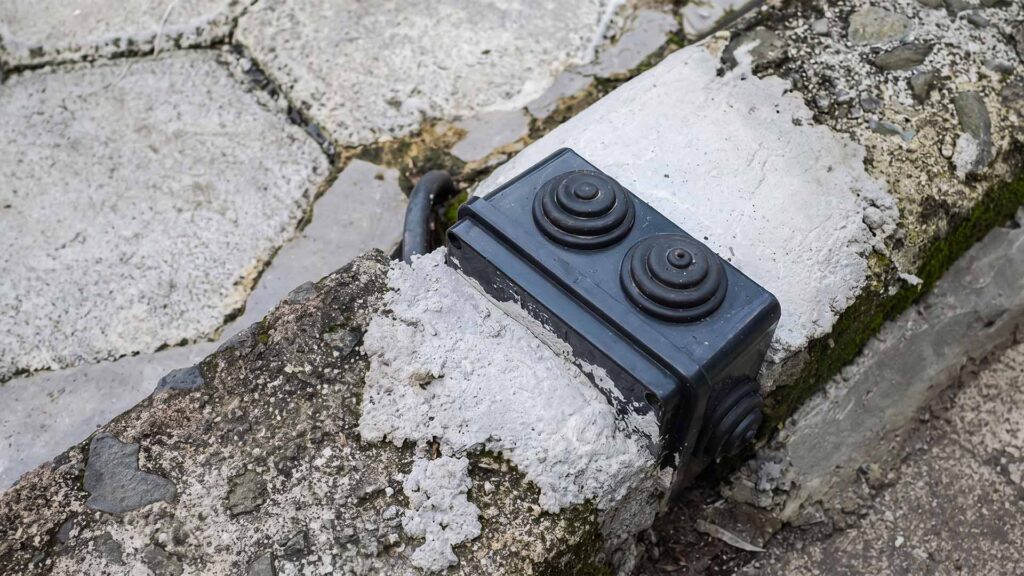
Standing water creates constant pressure. The IP67 rating withstands this pressure. The enclosure utilizes static sealing. In North America, IP67 is roughly equivalent to a NEMA 6 rating.
The Benefits of IP67
The main benefit of IP67 is surviving temporary flooding. To earn a 7, the box must stay completely dry inside while sitting under one meter of water for 30 minutes. From a manufacturing standpoint, this requires us to use specialized closed-cell silicone gaskets and incredibly tight CNC bending tolerances so the door compresses the seal evenly and tightly.
Best Places to Use IP67
You should use IP67 anytime your equipment might end up sitting in water, such as:
- Underground trenches: For confined spaces that occasionally fill with water.
- Marine areas and docks: For locations where equipment might temporarily fall into the water.
- Low-lying outdoor spots: For grounds prone to deep pooling water after heavy storms.
IP66 vs IP67: Side-by-Side Comparison
The main difference between IP66 and IP67 is that IP66 survives high-pressure water jets, while IP67 survives temporary underwater submersion. Here is a direct comparison:
| Feature | IP66 | IP67 |
|---|---|---|
| Water Protection | High-pressure water jets | Temporary submersion (1m for 30 mins) |
| Best Environment | Washdowns, heavy rain | Trenches, puddles, flood zones |
| Fabrication Focus | Drip shields & robust latches | Tight CNC tolerances & compression seals |
Is IP67 Better Than IP66?
It is easy to think that 67 is higher than 66, so it must be better.
IP67 is tested for sitting in still water. It is not tested for high-pressure spray. These two ratings rely on completely different sealing physics. I’ve seen high-velocity water from a pressure washer slice right past the static immersion seals of an IP67 box, flooding expensive gear in seconds. You cannot just buy the highest number.
How to Choose the Right Rating for Your Gear
Step 1: Look at Your Water Risk
Start by looking at where the box will live. What if your equipment is in a trench that occasionally floods, but also gets pressure-washed? You face both hazards. In this case, you need a dual-rated enclosure (stamped with “IP66/IP67”).
Step 2: Weigh the Costs
Better protection usually means a higher price tag. As a manufacturer, I can tell you exactly why: stopping submersion requires thicker gaskets and much tighter machining tolerances.
At ShincoFab, upgrading a standard 10×10 steel enclosure from IP66 to IP67 typically increases your unit cost by 15% to 25%. The factory has to be incredibly precise. It rarely makes financial sense to pay the premium for submersion protection if you only need rain protection.
Can Drilling a Hole Ruin an IP Rating?
A waterproof box is only waterproof until you drill a hole in it. The moment you cut into the metal, you compromise the factory seal.
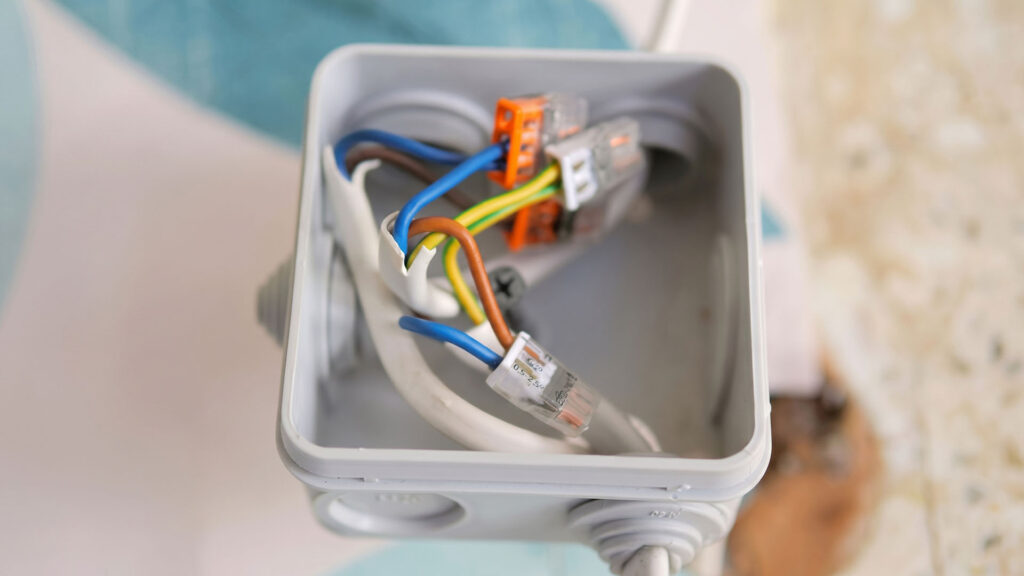
This is why at ShincoFab, we strongly advise our clients to let us laser-cut their custom cable holes at the factory before we apply the powder coating and gaskets. If you must drill on-site, you must use properly rated cable glands (an IP67 box needs IP67 glands) to maintain the integrity of the enclosure.
How to Maintain Your Waterproof Rating Over Time
IP ratings are not permanent. Over time, rubber gaskets dry out, crack, and shrink. Standard polyurethane gaskets in an IP66 box will begin to degrade after 3 to 5 years of direct UV exposure.
Here is a simple 3-step checklist to keep your gear safe:
- Check the seals: Look for cracks or flat spots on the rubber gaskets.
- Test the hardware: Make sure all hinges and latches close tightly without bending the sheet metal door.
- Inspect the glands: Wiggle your cable glands to ensure they are still gripping the wires tightly.
Final Thoughts
Choosing between IP66 and IP67 does not have to be confusing. If there is one thing I want you to take away from our years of fabricating enclosures at ShincoFab, it’s this: a higher number is not a magic shield. Match the box to the hazard. Protect your gear the right way, and it will keep running for years to come.