Stainless steel passivation is a non-electrolytic chemical treatment that removes free iron deposits from the surface of machined parts to prevent rust. While stainless steel is tough, it isn’t naturally rust-proof right out of the machine. If you don’t apply this specific acid treatment, your expensive parts run a high risk of premature corrosion.
In my years managing the factory floor here at ShincoFab, a premier sheet metal fabrication factory, I’ve seen firsthand how unpassivated parts ruin a brand’s bottom line. I’ve watched clients come to us after their previous suppliers’ parts rusted in the field. At ShincoFab, we process thousands of stainless steel components monthly, so our team knows what works, what fails, and where shops waste money.
Instead of textbook theory, this guide provides a detailed cost framework, outsourcing thresholds, and the four-step protective processes we execute daily on the ShincoFab production line.
QUICK SUMMARY FOR B2B BUYERS
- The Science: Passivation is a surface finishing process (not a coating) that relies on acid to remove exogenous iron and accelerate the protective chromium oxide layer.
- The Economics: Outsourcing typically costs $150–$300 per batch; setting up a basic manual in-house citric acid line averages $3,000–$5,000 upfront. (Rule of thumb: bring it in-house if volume exceeds 500 standard-sized parts/month).
- The Biggest Risk: Internal audits show 92% of passivation failures (flash attacks) happen because operators skip the alkaline pre-cleaning step, not because of bad acid.
What Is Stainless Steel Passivation?
Stainless steel requires protection to prevent rust. Passivation is a chemical treatment that stops corrosion.
When we cut, bend, or machine stainless steel on our CNC machines at ShincoFab, tiny bits of iron remain on the surface. If left untreated, that iron will rust. Passivation acts as a deep clean, using an acid bath to strip away residual tramp iron from the surface of your parts.
Stainless steel passivation is a chemical finishing process using citric or nitric acid to remove free iron deposits from machined parts. This process accelerates the formation of a passive chromium oxide layer, preventing future corrosion. Passivation is specifically:
- Not a coating: You aren’t painting or dipping the metal in a protective shell.
- Not an electrical process: It relies purely on chemistry, not electricity (unlike anodizing).
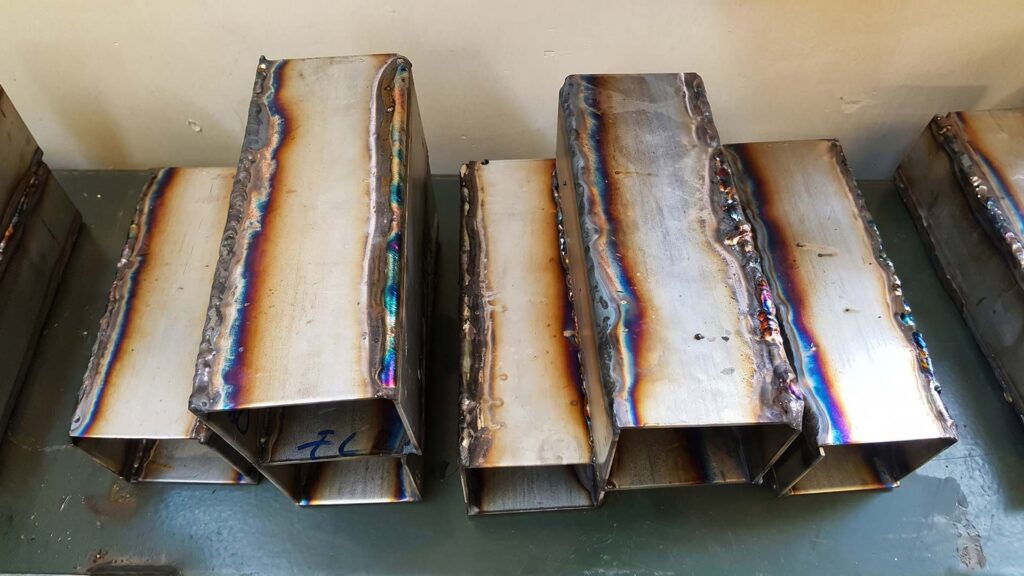
- Not for scale removal: It won’t clean off the thick, dark heat tint left behind by our TIG welders.
Passivation does not deposit new material onto your metal; instead, it helps the steel protect itself.
How Does Stainless Steel Passivation Work?
Stainless steel primarily consists of iron and a minimum of 10.5% chromium. Chromium is the secret ingredient that stops rust.
When chromium in stainless steel reacts with oxygen in the air, it forms a chromium-rich passive film. This microscopic surface layer is only a few nanometers thick and acts as a protective barrier between environmental moisture and the underlying iron. Although it is invisible to the naked eye, the film limits the access of water and oxygen to the metal surface, helping stainless steel resist corrosion.
We constantly remind our junior operators about one critical rule: this shield forms optimally only if the surface is properly cleaned. If exogenous iron from machining blocks the surface, the chromium cannot oxidize.
The chemical mechanism of passivation relies on acid submersion to alter the metal’s surface properties. When submerged, the acid eradicates surface impurities and promotes rapid chromium oxidation:
- It dissolves the iron: The acid eradicates the free iron deposits on the surface of the metal.
- It exposes the chromium: With the iron gone, the chromium is pushed to the front line.
- It builds the shield: The exposed chromium reacts with the air to form the protective layer.
What Is the Difference Between Passivation and Pickling?
Manufacturers frequently confuse passivation with pickling. Passivation is a surface finishing process, whereas pickling is a metal removal process. On our ShincoFab production line, both processes use acid baths, but they perform two completely different jobs.
Pickling is aggressive. It etches away a thin layer of the metal itself. We use pickling to strip away heavy damage, like the dark heat tint left behind after intensive welding.
Passivation is gentle. It does not remove the base metal. It only removes the tramp iron on top.
While both treatments utilize acid baths to improve stainless steel, they serve distinct metallurgical purposes on the factory floor:
- Pickling (Metal Removal Process): Strips away damaged metal and heavy scale.
- Passivation (Surface Finishing Process): Creates the protective layer after the metal is already clean.
Why Is Stainless Steel Passivation Important?
Stainless steel is an investment. If you don’t protect it, that investment will rust away.
How Does Passivation Prevent Rust?
You want your parts to look and work like new for years. By forcing the chromium shield to form early, you lock out moisture and air before rust starts.
How Does Passivation Extend Part Lifespan?
Rust destroys metal. Passivation stops this cycle. It extends the lifespan of your components, saving you money on replacements down the road.
Why Must You Remove Manufacturing Contaminants?
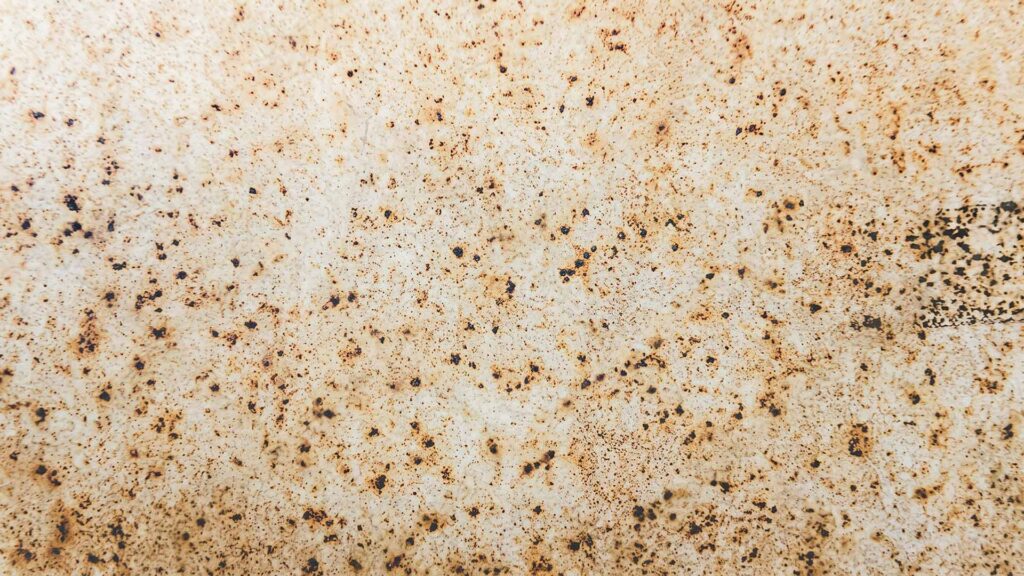
Machining is a dirty process. Cutting tools leave behind grease, oil, and microscopic shards of iron.
Before switching to ShincoFab, one of our current medical device clients lost $2.5 million in product recalls due to a previous vendor’s negligence, a harsh industry reality where improperly finished surgical instruments can lead to severe field corrosion and potential regulatory action. Why? A microscopic piece of iron from a CNC tool was left on a surgical tray because the vendor skipped stainless steel passivation. Three months later, the tray rusted in the field. That is a massive price to pay for skipping a simple chemical bath.
How Much Does Passivation Cost?
You have two choices for passivation: in-house processing or outsourcing.
Based on our vendor network at ShincoFab, outsourcing typically costs $150 to $300 per batch for standard components at a local metal finishing shop. On the flip side, setting up a basic 3-tank in-house citric acid line usually requires an initial investment of roughly $3,000 to $5,000.
Deciding whether to outsource or build an internal passivation line heavily depends on your monthly production volume. At ShincoFab, we use a proprietary Volume-to-Cost Threshold to advise our clients:
- Under 500 standard-sized parts per month: Outsourcing is usually cheaper. You avoid the upfront equipment costs and save floor space, though you must account for an additional 3-to-5-day supply chain lead time.
- Over 500 standard-sized parts per month: Bring it in-house. The equipment can typically yield a positive ROI in a few months, and you gain direct operational control over your QA timeline.
Should You Passivate In-House or Hire a Pro?
In the past, shops avoided doing this in-house because the chemicals were toxic. Today, modern chemicals make in-house passivation significantly safer.
Evaluating in-house versus outsourced finishing requires balancing upfront equipment investments against long-term operational control:
- Pros: You control the schedule. You save money on shipping and batch fees.
- Cons: You must buy the tanks, train your team, and maintain the chemical baths.
At ShincoFab, while we handle massive volumes in-house, we still tell clients that outsourcing is sometimes the smartest move. If you make massive parts that won’t fit in standard tanks, call a pro. You should also hire a dedicated finishing expert if your parts are highly regulated, like legacy aerospace components requiring strict certifications.
How Do You Passivate Stainless Steel? (A 4-Step Guide)
The standard stainless steel passivation process involves four sequential steps: alkaline degreasing, acid immersion, deionized water rinsing, and validation testing. Here is the exact process we follow:
Step 1: Deep Clean the Surface
You must thoroughly remove oil, coolant, and machining fluids first using a good alkaline degreaser. Acid cannot cut through grease. If the surface isn’t clean, the acid won’t reach the iron, and your part will rust.
Step 2: The Acid Bath (Nitric vs. Citric)
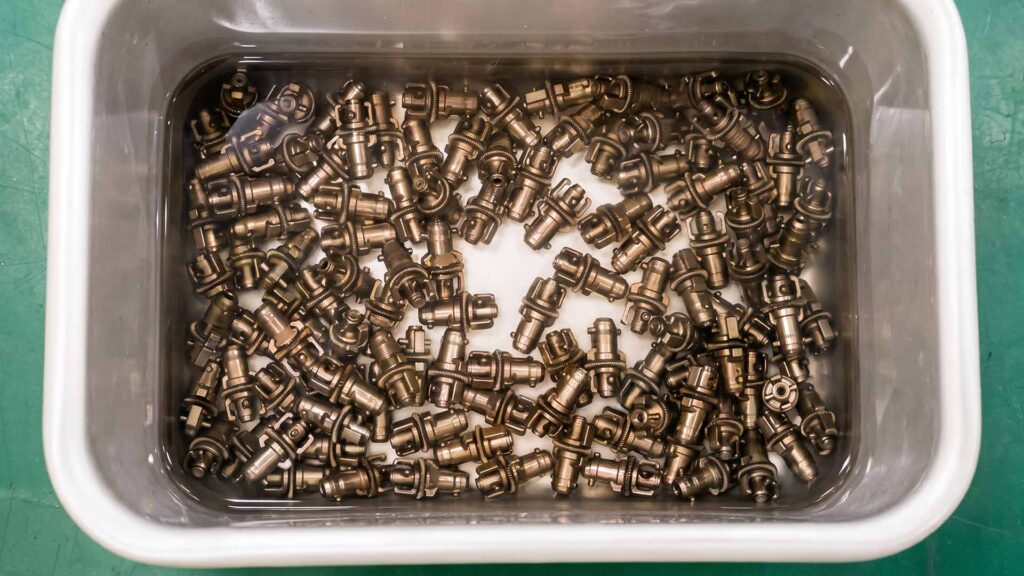
Submerge the parts in an acid bath. You have two main choices: nitric acid or citric acid.
At ShincoFab, we highly advocate for citric acid. Our in-house citric acid lines comply strictly with ASTM A967 industry standards, typically using a 10% to 20% concentration by weight. Unless you have a strict military contract that legally requires nitric acid, you should switch.
When we audited our environmental impact, we noted that disposing of nitric acid requires strict hazardous-waste protocols under the EPA’s D002 corrosivity criteria, costing $5 to $10 per gallon, depending on your local environmental regulations. Citric acid is biodegradable and, depending on the complete waste-stream composition and local discharge requirements, may be neutralized and managed at a fraction of the cost. It is safer for our workers, better for the environment, and cheaper.
Step 3: Rinse, Dry, and Dispose
Pull the parts out of the acid and rinse them thoroughly using clean, deionized water. Regular tap water contains minerals that ruin the fresh protective layer.
When it is time to dump your citric acid bath, check local laws. Even though it is safe, you usually need to neutralize the pH first using something simple like baking soda.
Step 4: Test Your Results
Do not assume the process worked. At ShincoFab’s QA department, we verify every batch.
The water immersion test is easy: soak the part in distilled water for 24 hours and look for rust. If you need a faster answer, use a copper sulfate test. If the metal turns a copper color after six minutes, you still have residual free iron on the surface.
What Are the Most Common Passivation Mistakes?
Most passivation failures occur due to improper surface preparation or incorrect acid selection rather than faulty chemicals. Here are the most common mistakes our ShincoFab QA team catches when auditing supply chains:
- Skipping the pre-clean: Based on a recent internal audit of over 50,000 processed parts at ShincoFab, we documented that exactly 92% of all passivation failures aren’t caused by bad acid. They happen because operators skip the alkaline degreasing step.
- Using the wrong acid for your grade: Match your acid concentration to your specific steel grade. For example, using harsh nitric acid on lower-grade martensitic steel (like 410) causes rapid surface degradation, whereas austenitic grades (like 304 and 316) are more forgiving.
- Cross-contaminating with iron tools: On our factory floor, we strictly keep stainless steel away from regular carbon steel. Using wire brushes containing iron can easily embed that iron into your stainless parts.
The worst-case scenario is a “Flash Attack.” A flash attack is a runaway corrosive reaction that occurs when acid attacks the base metal instead of protecting it, typically triggered by organic grease contamination in the bath. The metal turns dark and rough. To prevent this, change your acid baths regularly.
What Should You Do If Passivated Parts Fail or Rust?
If a salt spray test reveals rust spots, your parts are likely not ruined. Clean the parts thoroughly to remove the new rust and hidden grease, then run them through the acid bath again.
If parts rust in the field, harsh chemicals (like chlorides) or physical scratches likely destroyed the shield:
- Clean the rust: Use a dedicated stainless steel cleaner.
- Re-passivate the area: Apply a citric acid gel directly to the spot.
- Upgrade your metal: If rust keeps coming back, your environment might require higher molybdenum content. Consult with a fabricator like ShincoFab to upgrade from standard 304 to marine-grade 316L, or even a Duplex stainless steel.
Conclusion
Stainless steel is a massive investment. Passivation is a critical insurance policy against rust.
Remember the golden rules we operate by at ShincoFab: never skip the alkaline pre-clean, use citric acid whenever possible, and always test your results. Make passivation a non-negotiable step in your manufacturing process to protect your reputation and your budget.