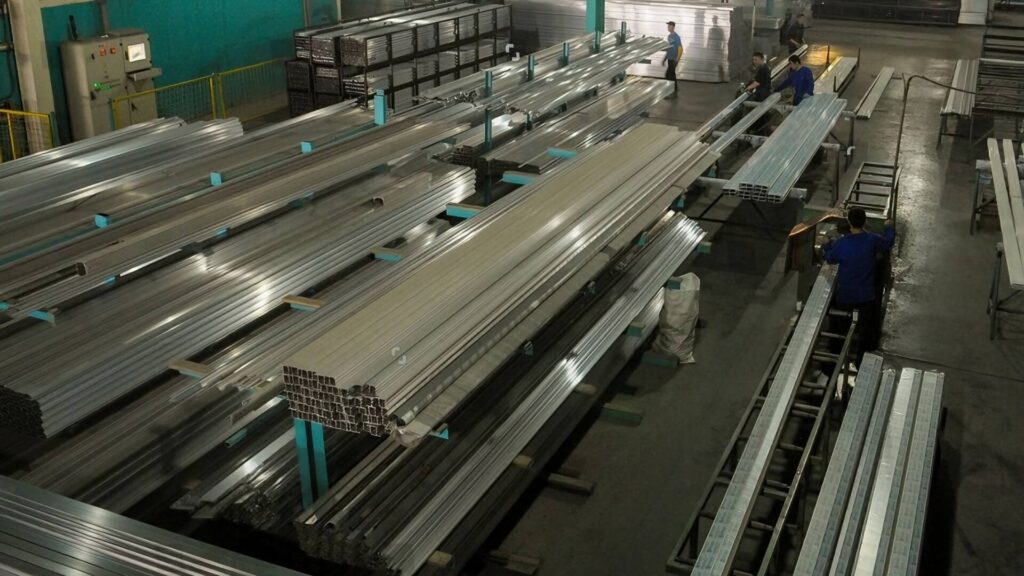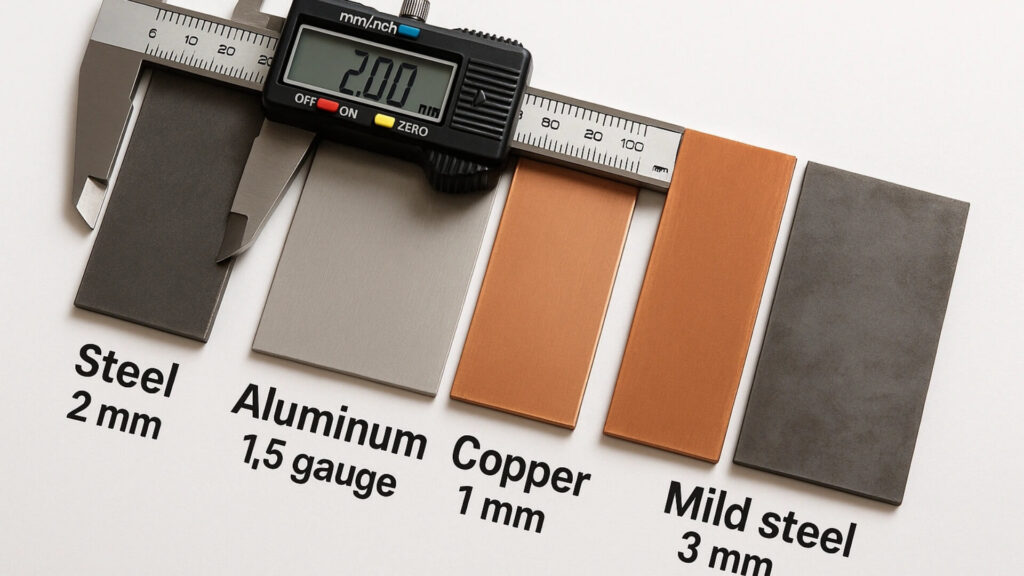
At ShincoFab, we use both MIG and TIG welding in day-to-day sheet-metal fabrication—from structural steel assemblies to aluminum and stainless-steel enclosures. The right process depends on the material, thickness, joint design, appearance requirement, production volume, and the welder’s skill.
This guide explains the practical differences between MIG and TIG welding, including learning curve, productivity, material compatibility, equipment needs, and safety considerations. It is intended to help beginners and small-shop fabricators choose the process that best fits their projects.
The Quick Verdict on MIG vs. TIG
For many beginners, DIY users, and general steel-fabrication jobs, MIG welding is usually the more practical starting point. It is comparatively easy to learn, fast for long welds, and well suited to mild-steel projects such as brackets, workbenches, trailer repairs, frames, and general shop fabrication.
TIG welding offers exceptional control and can produce clean, precise welds, especially on thin material, stainless steel, and aluminum. However, it generally requires more practice, more deliberate joint preparation, and more operator coordination.
Choose MIG first if you mainly need to:
- Repair or fabricate mild-steel items
- Weld thicker steel efficiently
- Learn welding fundamentals with a more forgiving process
- Complete general garage or workshop projects
Consider TIG when your project requires:
- Thin-gauge material with tight heat control
- Cosmetic, visible welds
- Precision stainless-steel fabrication
- Aluminum work, particularly thin or appearance-critical components
- High-quality fit-up and lower post-weld cleanup
The Basics of How They Both Work
What Is MIG Welding? (The Fast & Easy Way)
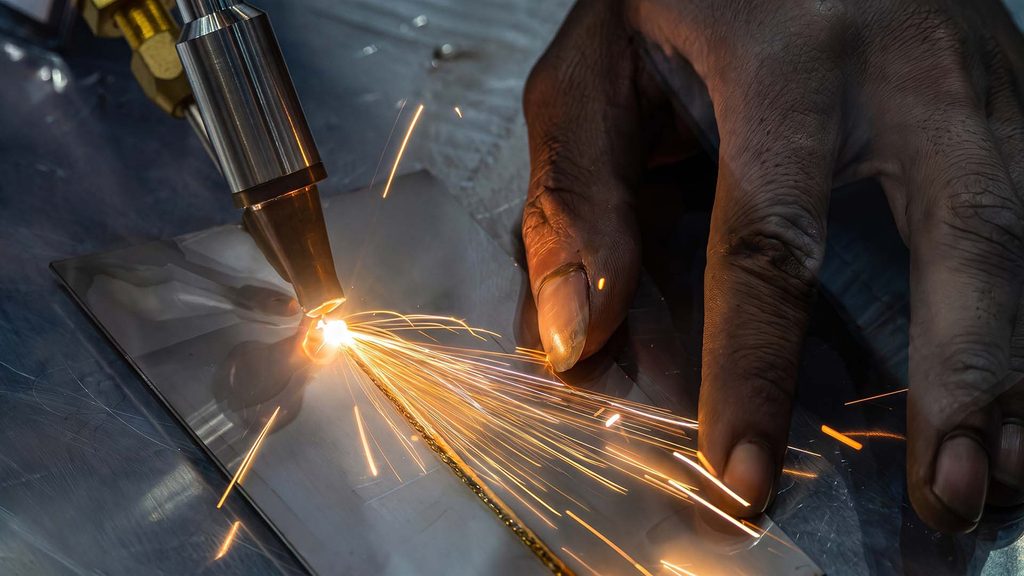
MIG welding, commonly referred to as Gas Metal Arc Welding (GMAW), uses a continuously fed consumable wire electrode. When the operator pulls the gun trigger, wire feeds through the torch and serves as both the electrode and filler material. A shielding gas protects the molten weld pool from atmospheric contamination.
Because the filler wire is fed automatically, the operator can focus primarily on gun angle, travel speed, stickout, and weld-pool control. This makes MIG an approachable process for beginners and a productive option for fabrication work.
Many MIG machines can also run Flux-Cored Arc Welding (FCAW). FCAW uses a tubular wire containing flux. Some self-shielded flux-cored wires do not require an external shielding-gas cylinder, which can make them more practical for outdoor repairs or locations where wind could disrupt external gas shielding.
What Is TIG Welding? (The Clean & Precise Way)
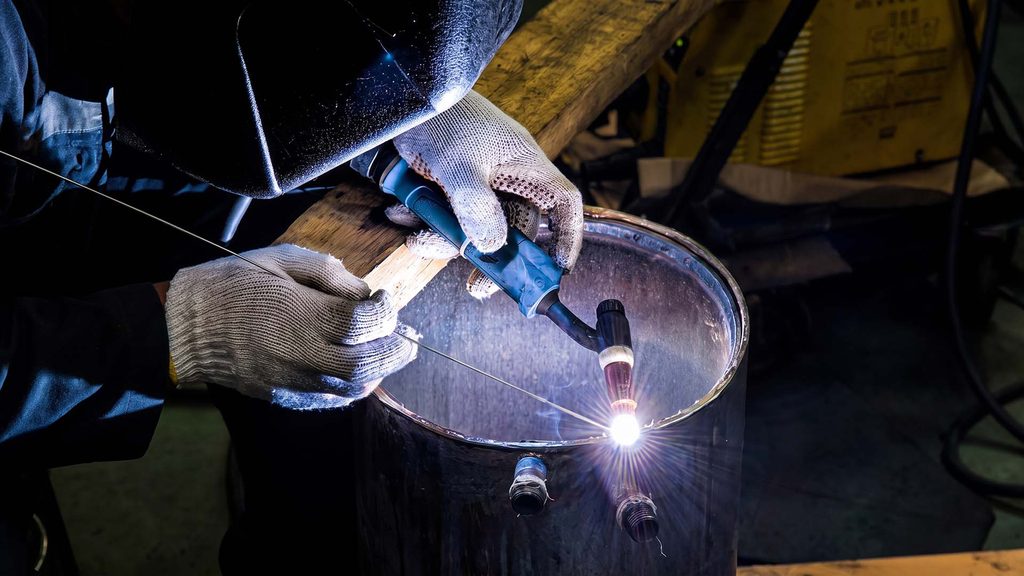
TIG welding, also known as Gas Tungsten Arc Welding (GTAW), uses a non-consumable tungsten electrode to create the arc. The welder usually adds a separate filler rod manually while controlling heat with the torch and, on many machines, a foot pedal or fingertip control.
This gives the operator a high degree of control over heat input and weld-pool size. The trade-off is that TIG demands more coordination and is typically slower than wire-fed processes.
TIG is often selected for thin material, stainless steel, aluminum, small precision parts, and welds that will remain visible after fabrication.
Pros and Cons Cheat Sheet
| Feature | MIG Welding | TIG Welding |
|---|---|---|
| Learning Curve | Generally faster for beginners | Requires more coordination and practice |
| Welding Speed | High, especially on longer steel welds | Lower, more deliberate process |
| Filler Metal | Continuously fed wire | Separate filler rod, manually added when needed |
| Heat Control | Good, but less direct | Excellent, especially with pedal control |
| Best General Use | Mild steel, fabrication, repair, production work | Thin metals, aluminum, stainless steel, precision work |
| Appearance | May need spatter removal or grinding | Can produce highly clean, cosmetic welds |
| Outdoor Suitability | FCAW can be useful outdoors | Gas shielding is easily disrupted by wind |
| Typical Equipment Complexity | Lower | Higher, especially for AC/DC aluminum-capable TIG |
The 5 Biggest Differences You Need to Know
1. Which Is Easier to Learn?
MIG is usually easier to learn because the machine feeds filler wire automatically. New welders can concentrate on maintaining a consistent travel speed, gun angle, and distance from the workpiece.
TIG requires the welder to coordinate the torch, filler rod, and heat control simultaneously. Contaminating the tungsten electrode by touching it to the weld puddle can affect arc stability and requires the electrode to be reconditioned before continuing.
For a first welding machine, MIG is generally the more forgiving choice.
2. Which Makes a Stronger Weld?
Neither process is inherently stronger in every situation. A properly designed and properly executed MIG or TIG weld can both produce sound joints.
Weld quality depends on:
- Base-metal preparation
- Correct filler-metal selection
- Joint design and fit-up
- Welding parameters
- Shielding-gas coverage
- Heat input and travel speed
- Welder technique
- Inspection requirements
MIG is highly effective for filling larger joints and welding thicker mild steel efficiently. TIG provides fine heat control, which can help reduce burn-through and distortion on thin or heat-sensitive components.
3. Which Looks Better?
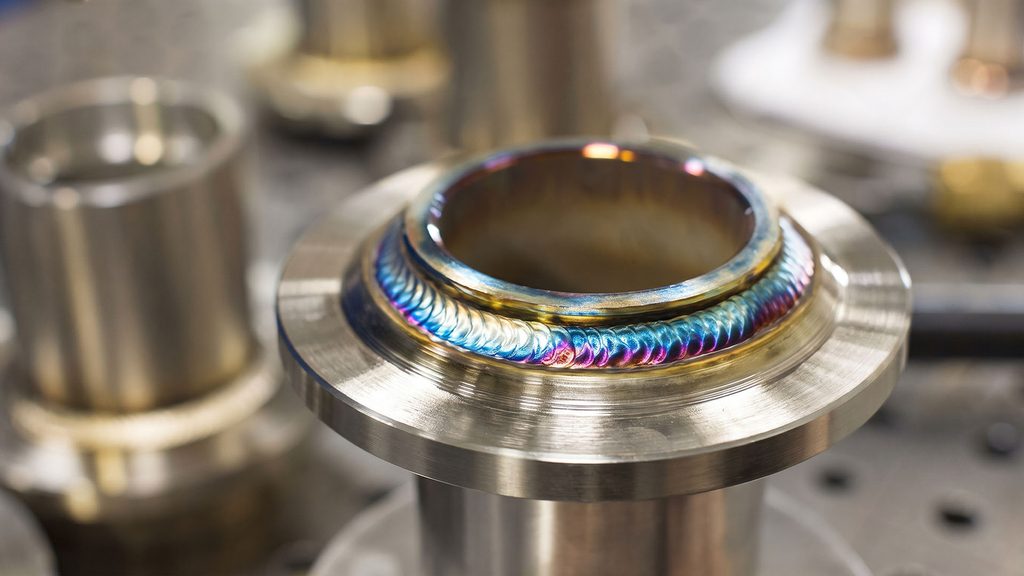
TIG can produce smooth, clean weld beads with minimal spatter when material preparation and shielding are correct. This makes it a popular process for exposed stainless-steel joints, decorative fabrication, and appearance-critical aluminum work.
MIG can also create good-looking welds, but it may produce more spatter depending on the transfer mode, parameters, shielding gas, and surface cleanliness. MIG troubleshooting guidance identifies spatter, porosity, and inadequate penetration as common issues related to setup, technique, or contamination.
If a MIG weld will be powder coated, painted, or hidden inside an assembly, moderate cleanup may be entirely acceptable. If the weld will remain visible, TIG may reduce finishing work.
4. Speed and Efficiency
MIG is generally the faster process for many production and fabrication tasks because filler wire feeds continuously. This reduces interruptions and makes it efficient for structural frames, brackets, fixtures, trailers, racks, and general mild-steel work.
TIG requires a slower, more controlled approach. The operator may pause frequently to reposition, add filler metal, and manage heat. That slower pace is often worthwhile for thin material, precise joints, and high-value components where appearance or distortion control matters more than deposition rate.
Actual productivity varies substantially with joint type, thickness, position, welder skill, fixture design, and required finishing. For that reason, avoid universal claims such as “MIG is always four to five times faster.”
5. Understanding the Hidden Costs
Buying the welder is only part of the investment. A realistic setup budget should include:
- Welding machine and torch
- Electrical installation or circuit upgrades
- Shielding gas and cylinder rental or deposit
- Wire, filler rods, contact tips, cups, collets, and tungsten electrodes
- Helmet, gloves, jacket, boots, respirator, and ventilation
- Grinding, cleaning, and surface-preparation tools
A basic MIG setup can often be a more accessible entry point than an aluminum-capable AC/DC TIG setup. However, the true cost depends on your location, brand choice, cylinder arrangement, accessories, and available power supply.
Local gas-cylinder terms and refill costs vary by supplier, region, cylinder ownership model, and gas mix. Rather than publishing fixed prices that may quickly become outdated, encourage readers to request current quotes from a local welding-gas supplier.
Matching the Method to Your Metal
Welding Aluminum
Aluminum conducts heat rapidly and forms a persistent oxide layer, so it requires careful cleaning and heat control.
TIG is widely used for thin aluminum and precision aluminum work because it provides close heat control. Lincoln Electric notes that aluminum is the metal most frequently associated with TIG welding, particularly at smaller thicknesses.
For conventional aluminum TIG welding, an AC-capable machine is generally important because alternating current helps break up the aluminum oxide layer while delivering heat to the base metal. Miller’s aluminum TIG guidance explains the importance of suitable power and gas setup for clean aluminum TIG welds.
MIG can also weld aluminum, especially on thicker material and production applications, but it typically requires suitable wire-feed equipment such as a spool gun or push-pull system, correct aluminum filler wire, and appropriate shielding gas.
Welding Stainless Steel
TIG is commonly selected for thin stainless-steel work and visible welds because it allows precise heat control and can produce clean beads. Excessive heat input can contribute to distortion, discoloration, and corrosion-performance concerns.
For stainless steels susceptible to sensitization, the relevant issue is often called carbide precipitation or sensitization. Material grade selection, filler choice, heat input, shielding, cleaning, and post-weld treatment can all affect corrosion performance.
TIG does not automatically create a rust-proof weld. Correct fabrication practice and post-weld cleaning are still important.
Welding Mild Steel and Cast Iron
Mild steel is one of the most common materials in a home garage. MIG is often the most practical choice because it is fast, widely used, and works well for many general fabrication applications.
Clean material still matters. Rust, oil, paint, mill scale, moisture, and poor fit-up can cause weld defects. Cleaning the joint before welding improves consistency and reduces porosity and inclusions.
Cast iron is a special case and should not be treated as a simple MIG application. Its composition, preheat requirements, joint preparation, filler selection, and cooling rate can strongly affect cracking risk. For valuable cast-iron repairs, consult a qualified welding procedure or experienced repair welder before selecting a process.
Real-World Welding Facts Most Guides Skip
The Home Garage Setup Guide (Power & Space)
Many entry-level welding machines can operate from household power, but output capacity depends on the machine, duty cycle, input voltage, circuit capacity, and the manufacturer’s rated parameters.
Before buying a welder:
- Check the manufacturer’s recommended input circuit, breaker size, and receptacle type
- Do not overload existing household circuits
- Use a qualified electrician when installing a higher-amperage or 240V circuit
- Follow local electrical codes
- Confirm the machine’s published material-thickness range rather than relying on marketing headlines
Shielding-gas processes require protection from drafts. Wind can disturb gas coverage and contribute to porosity. For outdoor work, consider moving inside a properly ventilated area, using wind screens, or using a suitable self-shielded flux-cored process where appropriate.
The Hidden Safety Differences (Factory-Level Advice)
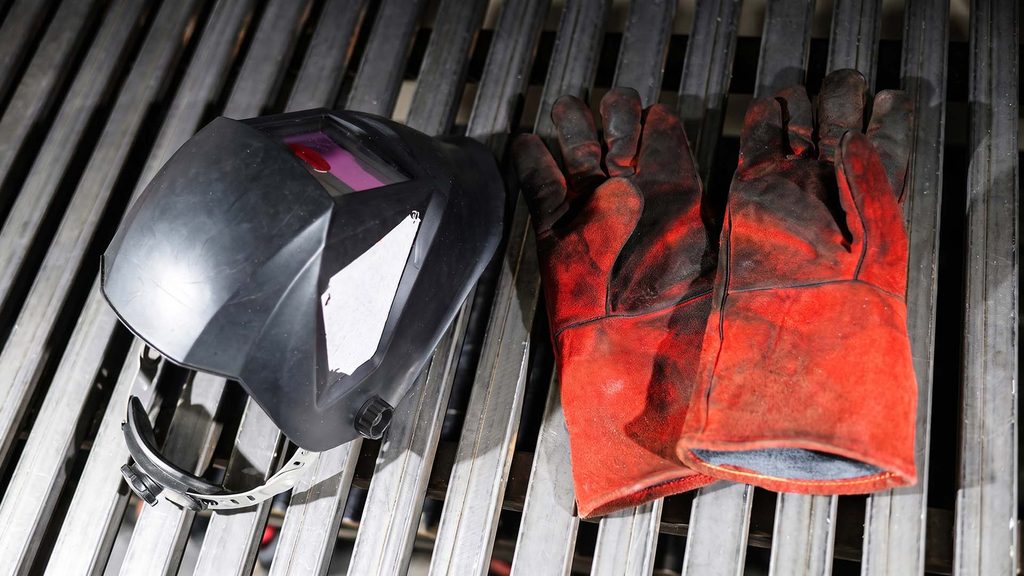
Welding creates hazards including UV radiation, bright light, burns, electric shock, fire, metal fumes, and hot particles. OSHA identifies welding fumes and ultraviolet radiation as health hazards, and burns, eye damage, and electric shock among key safety hazards.
Use appropriate PPE and controls for the actual work:
- A welding helmet with the correct filter-lens shade for the process and amperage
- Safety glasses with side shields under the helmet
- Flame-resistant clothing and closed-toe leather footwear
- Welding gloves appropriate for the process and required dexterity
- Ventilation or local fume extraction
- Fire-resistant screens when other people may be exposed to arc radiation
- A fire watch and removal of combustible materials from the work area
OSHA’s eye-protection guidance for welding radiant energy explains that welding arcs can injure the eyes and that filter-lens shade selection must provide suitable protection. Choose a helmet based on applicable safety standards, manufacturer specifications, welding process, and amperage range—not on unsupported claims that every TIG helmet must have a specified number of sensors or a fixed reaction time.
How Welds Fail (And How to Fix Them)
Even experienced welders encounter defects. The important step is identifying the cause before attempting a repair.
MIG problems often include:
- Porosity: Often related to inadequate gas coverage, drafts, leaks, contaminated base metal, or incorrect gas flow
- Spatter: May result from incorrect voltage, wire-feed speed, polarity, stickout, gas selection, or dirty material
- Lack of fusion or inadequate penetration: Can result from poor parameters, excessive travel speed, incorrect gun angle, or poor joint preparation
If a critical weld is defective, do not simply weld over it. Remove the defect using an appropriate method, clean the area, correct the cause, and reweld according to the applicable procedure.
TIG problems often include:
- Tungsten contamination: Caused by touching the electrode into the puddle or filler rod
- Porosity: Often linked to poor shielding, contaminated material, moisture, or an incorrect gas setup
- Burn-through: Common on thin material when heat input, fit-up, or travel speed is not controlled
- Oxidation or discoloration: Can result from inadequate shielding or excess heat input
Good fit-up, clean material, and deliberate parameter control matter more than choosing the “premium” process.
Should You Buy a 3-in-1 Multi-Process Welder?
A multi-process welder can be a practical choice for a home shop because it may combine MIG, flux-cored, stick, and TIG capabilities in one machine.
Before buying, verify exactly what the machine supports:
| Capability to Check | Why It Matters |
|---|---|
| DC TIG only or AC/DC TIG | DC TIG is suitable for many steels and stainless applications; AC TIG is generally needed for conventional aluminum TIG welding |
| Lift-arc, scratch-start, or high-frequency TIG | Affects arc-start convenience and control |
| Spool-gun compatibility | Important if you intend to MIG weld aluminum |
| Input voltage | Determines whether it works with your available power supply |
| Output and duty cycle | Affects realistic welding capacity for your material thickness and production time |
| Included accessories | Some machines require separate torches, pedals, regulators, leads, or spool guns |
The Final Verdict on Choosing the Right Welder
Buy a MIG welder first if you are new to welding, mainly work with mild steel, want fast project completion, and need an efficient all-around process for a garage or fabrication shop.
Choose TIG when you specifically need superior heat control, thin-material capability, precision stainless work, cosmetic welds, or aluminum TIG welding with an appropriate AC/DC machine.
Buy a MIG Welder If:
- You are a complete beginner who wants to start welding soon
- You work mostly with mild steel
- You need to fabricate workbenches, trailers, brackets, frames, racks, or similar projects
- You prioritize speed and general-purpose capability
- You want a process that is easier to learn and can be productive quickly
Buy a TIG Welder If:
- You are prepared to invest more time in technique and practice
- Your project requires welding thin aluminum or thin stainless steel
- You need precise heat control to reduce burn-through or distortion
- Your project requires a highly clean, visible finish with minimal spatter or grinding
- You understand whether your aluminum work requires an AC/DC TIG machine
A Final Welcome to the Trade
Choosing your first welder is a significant decision, but do not let analysis paralysis prevent you from getting started. Begin with the process that fits your current material, thickness, budget, electrical supply, and project requirements.
MIG is a practical all-around workhorse for many steel projects. TIG is a precision process that becomes valuable when your work calls for close heat control, thin metal, aluminum, stainless steel, or cosmetic weld quality.
Invest in proper safety equipment, prepare your material carefully, practice on clean scrap metal, and follow your machine manufacturer’s operating guidance. With time and deliberate practice, you can build reliable custom metal projects while working safely.