
As a lead fabrication engineer at ShincoFab, a custom sheet metal manufacturer, I have audited hundreds of outdoor electrical installations, and I see the exact same mistake every day. Buyers ruin expensive gear because they misunderstand waterproof ratings.
Most people assume a higher number is always better. They overspend on IP67 when IP65 is actually the safer, cheaper choice.
In this guide, I will give you the hard truth about IP65 vs IP67. I will cut out the confusing engineering jargon and show you exactly what you are paying for. You will learn the one major difference between the two ratings, a simple checklist to help you decide which one to buy, and the hidden installation traps that cause supposedly waterproof boxes to leak anyway.
What Do the Numbers Actually Mean?
IP stands for Ingress Protection, a classification system defined by the international standard IEC 60529. Think of it as a defense score for your gear.
It tells you exactly how well an enclosure keeps out dust and water. This system gets rid of vague marketing claims about being waterproof and gives you hard facts.
Every IP rating has two numbers. Let’s break them down.
The First Number: Dust Protection (The “6”)
In both IP65 and IP67, the first digit is a 6. This is the highest score possible for solids.
It means the enclosure is 100% dust-tight. Absolutely nothing gets in.
Perfect dust protection is critical for outdoor and industrial electronics for three main reasons:
- It keeps out blowing sand if your gear is in a desert.
- It stops heavy industrial dirt from clogging up internal fans.
- It prevents tiny, invisible particles from shorting out your expensive circuit boards.
Because both ratings share that 6, they offer the exact same perfect dust protection. Your electronics are safe from dirt either way.
The Second Number: Water Protection (The “5” vs. the “7”)
Here is where the two ratings split. The second number grades how well the gear fights off water.
A “5” means the equipment can handle low-pressure water jets from any direction. It will survive a heavy summer rainstorm or water splashing off a nearby wall.
A “7” means the equipment can survive being completely dunked underwater for a short time.
Most people see a 7 and assume it is automatically better than a 5. But as a sheet metal manufacturer, I can tell you that over-specifying is a costly trap. You shouldn’t just buy the higher number. You need to know exactly how water will attack your specific equipment.
IP65 vs IP67: The Big Difference is Water
The main difference between IP65 and IP67 is water protection. IP65 enclosures protect against low-pressure water jets and heavy rain, while IP67 enclosures protect against temporary submersion in up to 1 meter of water for 30 minutes. Both ratings offer perfect protection against dust.
Since both ratings give you perfect dust protection, water is the only thing you need to worry about.
The difference between a 5 and a 7 is simple. One handles water hitting it from the outside. The other handles being completely underwater.
IP65: Built for Splashes and Sprays
IP65 is your go-to shield against moving water. Think rain, sprinklers, or a light hose-down.
To get an IP65 rating, the factory puts the equipment through a strict test. They blast the box with a 6.3mm water nozzle at a rate of 12.5 liters per minute. They do this from all angles for at least 3 minutes.
If the box stays completely dry inside, it passes.
Because it easily repels low-pressure water jets and heavy rain, an IP65 enclosure is perfect for these common applications:
- Outdoor security cameras facing heavy rain.
- Solar inverters mounted on the side of a building.
- Equipment near a splash zone.
If your gear lives above ground and water can drain away from it, IP65 does the job.
IP67: Built for Accidental Dunks and Puddles
IP67 plays by entirely different rules. It is not built for sprays. It is built for submersion.
To earn an IP67 rating, the factory test is simple but brutal. They dunk the equipment in exactly 39 inches (1 meter) of water for 30 minutes. If not a single drop leaks inside, it gets the 7.
Because it can withstand total submersion in water, an IP67 rating is built for these high-risk environmental situations:
- Junction boxes in low-lying trenches.
- Marine equipment on a boat deck.
- Sensors in areas that flood during heavy storms.
IP67 acts like a submarine. It keeps your electronics safe when water pools up and has nowhere to go.

When Should You Choose IP65?
I see clients overspend on custom IP ratings all the time. But the truth is, IP65 handles about 90% of normal outdoor jobs.
Perfect Everyday Uses for IP65
Think about where your equipment actually lives. Will gravity pull water away from it? If the answer is yes, IP65 is your best bet.
Here are the most common outdoor applications where an IP65 enclosure is the best choice:
- Garden, patio, and street lighting.
- Wall-mounted solar inverters.
- Security cameras under a roof overhang.
- Outdoor control panels that only see normal rain.
If your device is mounted on a wall or a pole, it will never sit in standing water. You do not need to pay for a submarine.
The Main Benefit: Good Protection at a Lower Cost
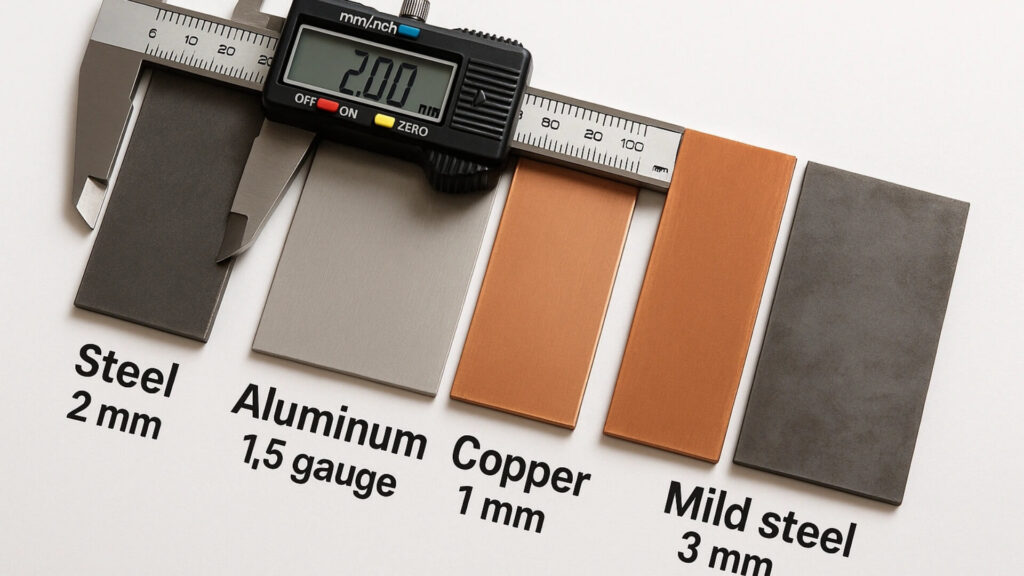
Building a sheet metal box that survives underwater is hard. From a fabrication standpoint, upgrading from IP65 to IP67 isn’t just about slapping on a better sticker. It requires us to use thicker gauge steel to prevent bowing under water pressure, continuous TIG welding with zero tolerance for pinholes, multi-point compression latches, and expensive poured-in-place (FIP) polyurethane gaskets.
That extra manufacturing time and material cost you money.
Based on ShincoFab’s production data from manufacturing thousands of custom enclosures, upgrading to IP67 typically costs 15% to 25% more to fabricate than custom IP65 enclosures. If you are outfitting a whole factory or a commercial solar roof, that premium will crush your project budget. Buy IP65, keep your gear dry, and keep that cash in your pocket.
When Do You Absolutely Need IP67?
There are times when cutting costs is a terrible idea. If your gear might sit in a puddle, you absolutely need IP67.
Perfect Uses for IP67 (Floods, Boats, and Trenches)
Think about the lowest points on your property. Water always flows down. If your equipment lives in a spot where puddles form, IP65 will drown.
You absolutely need to invest in an IP67 enclosure for these specific water-trapping situations:
- Underground junction boxes sitting in a dirt trench.
- Solar connectors lying flat on a commercial roof.
- Marine gear on a boat deck taking on heavy waves.
- Sensors installed in areas famous for flash floods.
If gravity traps water around your equipment, you need a rating built for submersion.
The Main Benefit: Peace of Mind in Extreme Weather
Paying that extra 20% premium might sting today. But replacing a flooded electrical system next month will cost you much more.
IP67 gives you pure peace of mind. When a massive storm hits, you won’t have to panic about your outdoor gear. You know it can sit in a foot of standing water and survive. It acts as an insurance policy for your most critical electronics.
Quick Decision Checklist
Let’s skip the complicated engineering charts. If you are stuck between IP65 and IP67, just ask yourself these three simple questions.
Ask Yourself These 3 Simple Questions
1. Will water drain away instantly?
Look at where you are mounting the equipment. If it goes high up on a wall or a pole, gravity will pull the rain right off. Buy IP65. If it sits flat on a commercial roof or down in a dirt trench, water will pool around it. You need IP67.
2. Is temporary flooding a real threat?
Think about your local weather. Heavy rain and wind-blown spray are perfectly fine for IP65. But if your yard turns into a swamp during a storm, that box will be sitting underwater. Choose IP67.
3. Am I just chasing the higher number?
Never buy IP67 just because the number is higher. That is a fast way to waste 20% of your budget. Match the box to your actual weather risks instead of just chasing the highest rating.
What Are the Most Common IP Rating Mistakes?
I see buyers make the same two mistakes every single day. They read a spec sheet, make a quick assumption, and end up ruining their equipment.
Assuming a Higher Number is Always Better
Do not treat IP ratings like a video game high score.
A 7 is higher than a 5, so it must be better at everything, right? Wrong. That logic is a massive trap. Over-specifying your gear does not automatically make it safer. It just drains your budget. You end up paying for extreme protection you will never actually use.
Worse, assuming IP67 is invincible leads straight into the second mistake.
The IP67 Power Washing Myth
This is a fatal misunderstanding.
Let’s say you work on a farm or in a food processing plant. You clean your equipment daily with a pressure washer. You bought an IP67 box because it was the highest number on the shelf. You blast it with the pressure washer. Instantly, water shoots right past the rubber seals and fries your electronics.
What went wrong?
IP67 is designed for submersion. It handles the slow, crushing weight of standing water. It is not designed to stop a high-speed laser beam of water. If you blast an IP67 seal with a power washer, it will fail. (If you actually need to pressure wash your gear, you should be looking for an IP69K rating (ISO 20653) instead).
Why Do IP67 Boxes Still Leak?
You just paid us for an expensive, factory-tested IP67 stainless steel enclosure. You feel totally safe. But then you start installing it in the field.
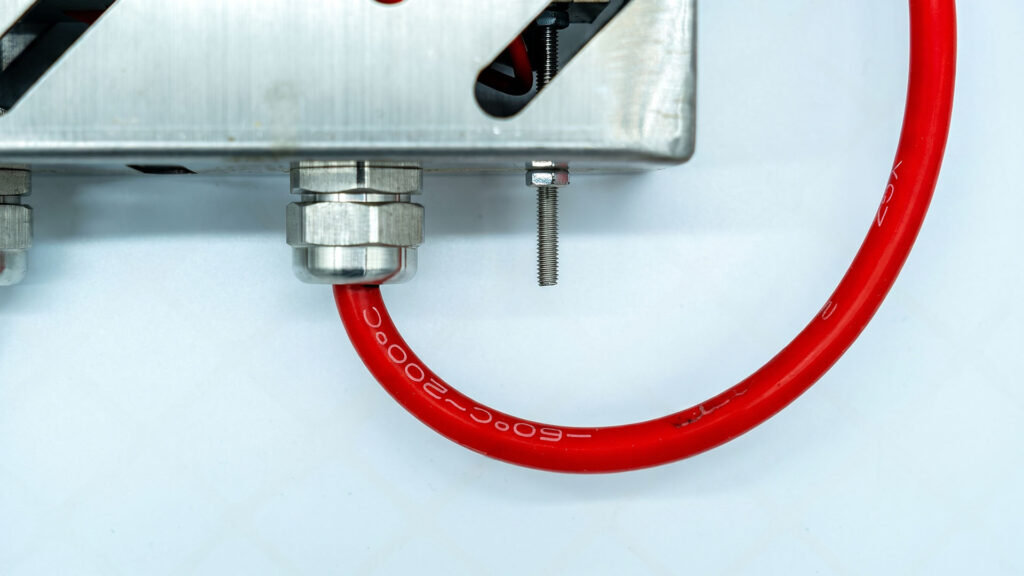
To power your gear, you need to run a cable inside. So, you grab a drill and punch a hole in the side of the metal box.
The exact second you drill that hole, your IP67 rating drops to zero. You just gave water a front door.
To plug that hole, you must use a waterproof cable gland. This is where people try to save a few pennies, and it costs them everything. At ShincoFab, clients often ask us to precision-punch cable holes during the fabrication process before shipping the enclosures. We are happy to do it, but we frequently see buyers install cheap, unrated plastic glands on our heavy-duty IP67 stainless steel boxes.
Follow these two critical installation steps to keep your IP rating alive and prevent leaks:
- Always buy cable glands that match your box (IP67 box = IP67 gland).
- Never over-tighten your screws, which pinches and ruins the rubber seal against the sheet metal.
Will Your Waterproof Box Fry Your Electronics?
You did everything right. You sealed the box perfectly. Not a single drop of water will ever touch your expensive router.
But water isn’t the only enemy.

If an IP67 box is sealed tight enough to keep out a flood, it also traps heat inside. Sheet metal is an excellent conductor of heat. Put a fully sealed powder-coated steel box in the summer sun, and you just built an oven.
In 90-degree sunlight, the inside of a fully sealed IP67 metal box can easily reach 140 degrees. Meanwhile, an IP65 box where we’ve added protective ventilation louvers stays at least 20 degrees cooler.
How do you avoid frying your gear?
Never mount a fully sealed box in direct sunlight if you can help it. If it has to face the sun, ask your fabricator to add a double-wall metal sun shield (solar canopy).
Heat is an immediate threat to your internal electronics. But the sun also acts as a slow poison to the outside of your box, quietly killing your IP rating over time.
How Long Do IP Ratings Last?
People think an IP rating lasts forever. It doesn’t.
When a factory tests a product, they test it on day one. The box is brand new. The rubber seals are absolutely perfect. But real life is a lot more brutal than a clean testing lab.
Fast forward three years. Your box has been baking in the sun and freezing in the snow. The steel might hold up, but what happens to the seals? Standard rubber gaskets (especially nitrile or Buna-N) degrade in prolonged UV and ozone exposure after 3 to 5 years. The gasket loses its elastic memory, meaning it fails to bounce back to its original shape when the door opens and closes. When that happens, your expensive IP67 rating silently drops down to a leaky IP54. Suddenly, the next heavy rainstorm ruins your gear. For outdoor applications, neoprene offers better UV resistance (5-10 years), but EPDM is the gold standard for long-term weathering.
You must treat your waterproof box like a car. It needs maintenance.
Perform this quick checklist once a year to keep your outdoor equipment safe and maintain your IP rating:
- Open the box and inspect the rubber seals.
- Check the cable glands to make sure they are still tight.
- Replace any gaskets the second they look dry or cracked.
Taking care of your seals keeps your equipment safe for the long haul.
Conclusion
It is time to make your choice.
Do not buy IP67 just because it is a higher number on a spec sheet. Over-specifying is a costly trap.
Buy IP65 for 90% of your outdoor applications. It gives you perfect dust protection and handles heavy rain with ease. Best of all, it saves you money and helps you avoid overheating your electronics in the summer sun.
Only pay that 20% premium for IP67 if your equipment faces a legitimate risk of sitting in standing water or temporary flooding.
Match the box to your actual environment. Protect your cable glands, watch out for trapped heat, and check those rubber seals every year. Now that you know the truth, you are ready to spec your gear smartly. If you are still unsure whether your project needs IP65 or a fully sealed IP67 submarine, reach out to the engineering team at ShincoFab. We build custom enclosures designed for your exact environment, so you never overpay for protection you don’t need.