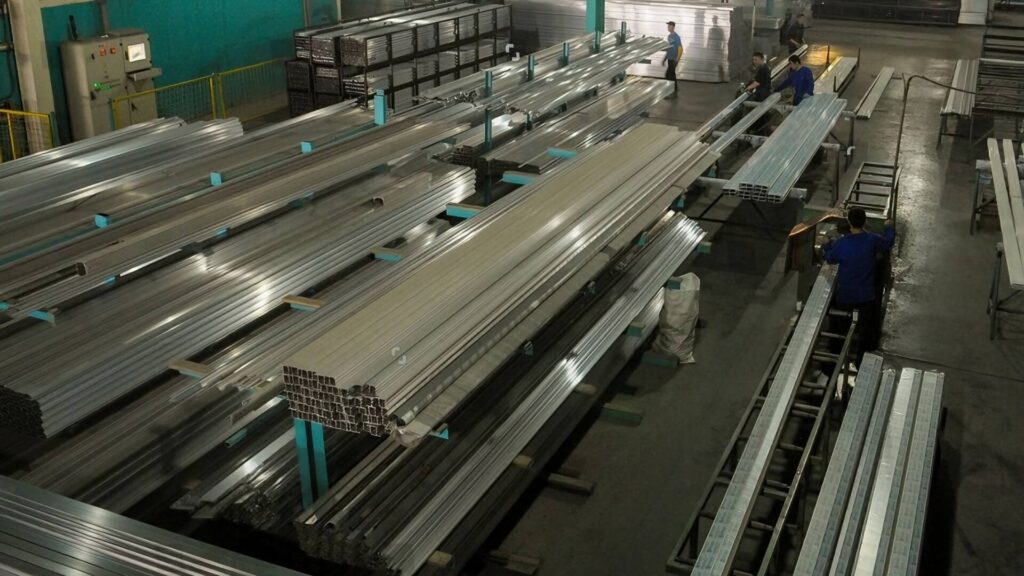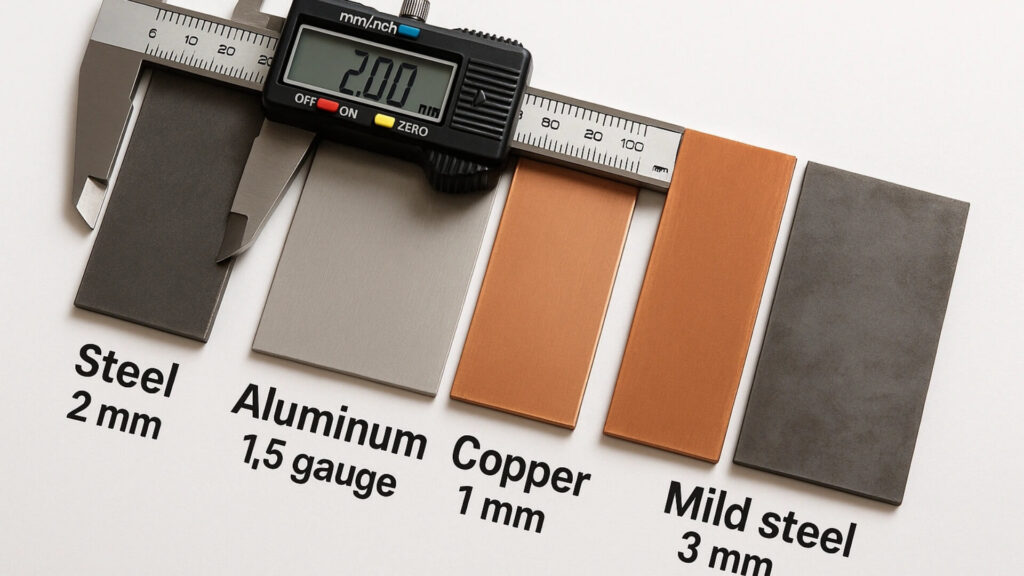
At ShincoFab, our sheet metal fabrication factory processes thousands of steel and aluminum parts every month. I manage the powder coating line on our production floor. I see every mistake in the book. I diagnose and fix thousands of peeling parts, from DIY garage disasters to heavy-duty industrial enclosures.
If your coating is flaking off, you are in the right place. Powder coating peels primarily because of poor surface preparation, under-curing, or improper application thickness. This guide explains exactly why your paint failed. It shows you the exact quality-control (QC) tape test we use on our factory line. Finally, it provides the exact steps to fix the mess and guarantee your next batch sticks like iron.
Let’s get started.
Is It Peeling, Chipping, or Cracking? (Diagnose the Problem First)
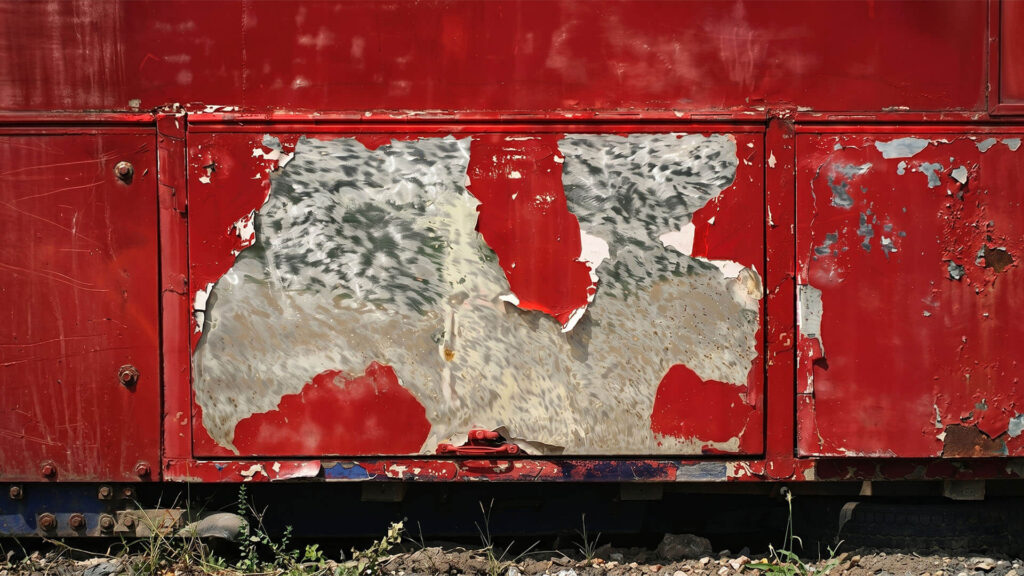
Look closely at your part. You need to identify the specific type of damage before attempting a fix. Different visual failures indicate very different process mistakes.
Use this quick diagnostic table to match your visual damage to the root cause:
| Visual Symptom | What It Looks Like | Primary Cause |
|---|---|---|
| Peeling (Flaking) | Falls off in large sheets, exposing bare metal. | Poor surface preparation (dirty, oily, or dusty metal). |
| Chipping | Small chunks missing on corners or sharp edges. | Excessive application thickness making the coat brittle. |
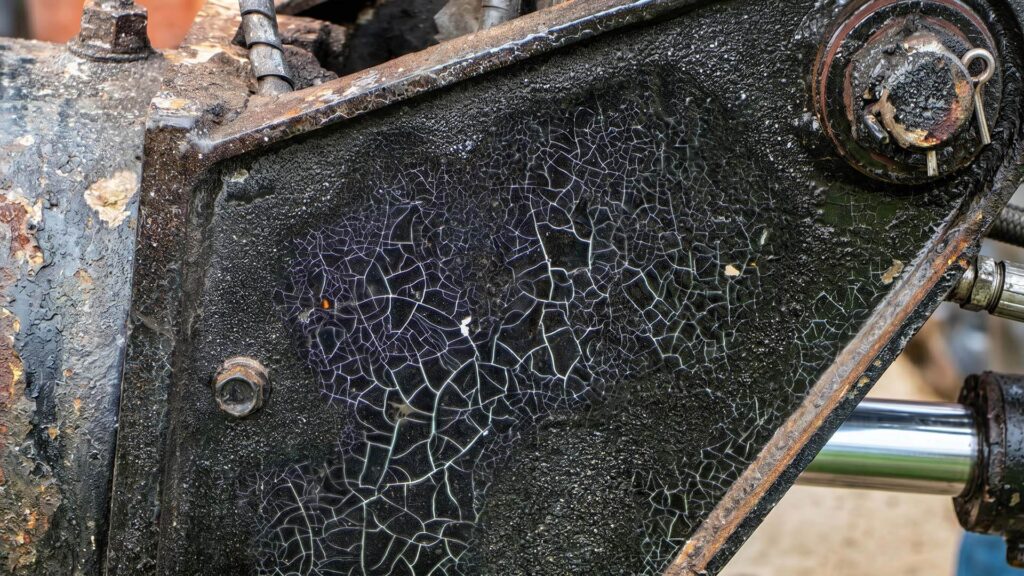
| Cracking | Spiderweb lines across the finish; paint stays attached. | Incorrect oven temperatures causing a rigid, inflexible finish. |
What Causes Powder Coat to Flake or Peel?
Peeling occurs when the coating falls off in large sheets. This failure exposes the bare metal underneath.
The powder failed to bond with the metal initially. Dirty, oily, or dusty surfaces prevent proper adhesion. Paint cannot stick to a greasy surface.
Why Does Powder Coat Chip on Edges?
Chipping leaves small chunks missing, usually on corners or sharp edges. Impacts or bumps cause this specific damage.
Excessive application thickness causes easy chipping. Thick coats become brittle. Brittle coats snap under impact.
Why Does Powder Coat Crack Like Spiderwebs?
Cracking creates spiderweb lines across the finish. The surface breaks while the coating remains attached to the metal.
The metal flexes, but the rigid paint shatters. Incorrect oven temperatures cause this failure. The finish hardens excessively, loses flexibility, and breaks under stress.
Once you identify the damage, test the surrounding area to see if the rest of the coating will fail.
How Do You Test Powder Coat Adhesion? (The 60-Second Tape Test)
You see a small flake. Before you strip the entire part, perform a quick tape test. In the industry, we call this a variation of the ASTM D3359 Cross-Hatch test. This simple DIY trick reveals the true bond strength between the powder and the metal.
Perform this test before installation. Early testing prevents massive coating rejections later.
To perform the cross-hatch tape test for powder coat adhesion, follow these six steps:
- Grab a sharp utility knife.
- Pick a hidden spot on your coated part.
- Cut a small tic-tac-toe grid into the paint. Press hard enough to reach the bare metal.
- Stick a piece of strong tape (like packing tape) flat over the grid.
- Rub the tape down hard.
- Rip the tape off fast.
Now, examine the tape.
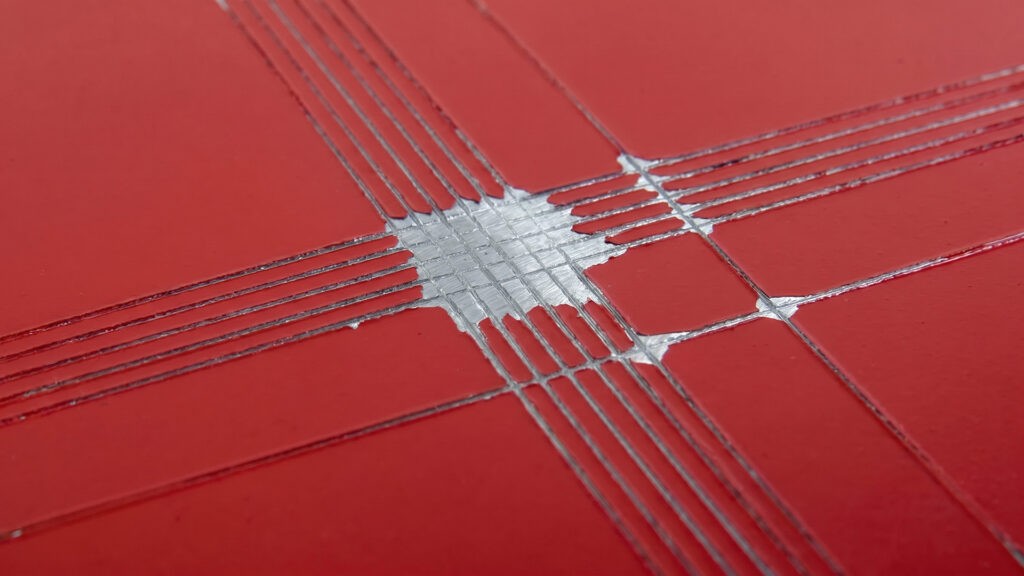
Clean tape indicates a strong bond. The isolated peeling represents a minor, localized defect.
Paint stuck to the tape indicates widespread adhesion failure. The rest of your finish will eventually fall off.
What Causes Powder Coating to Peel?
The six main causes of peeling powder coat are dirty metal, under-cured parts, excessive thickness, bad grounding, sharp edges, and incorrect powder chemistry.
Powder coating requires precise application. Process errors destroy the bond. Here is a deeper look at these hidden killers we constantly monitor on our ShincoFab production line.
How Does Dirty Metal Prevent Adhesion?
Poor cleaning causes most powder coating failures. Clients often bring us heavily oiled laser-cut parts. They wipe them with rags, and the coating peels within a week. Surface contaminants block powder adhesion.
Furthermore, trapped oils in porous metals (like cast aluminum) cause outgassing. The expanding gases form bubbles. These bubbles burst through the finish during baking. This process destroys adhesion. You need a surgically clean surface to create a permanent bond.
What Happens When You Under-Cure Powder Coat?
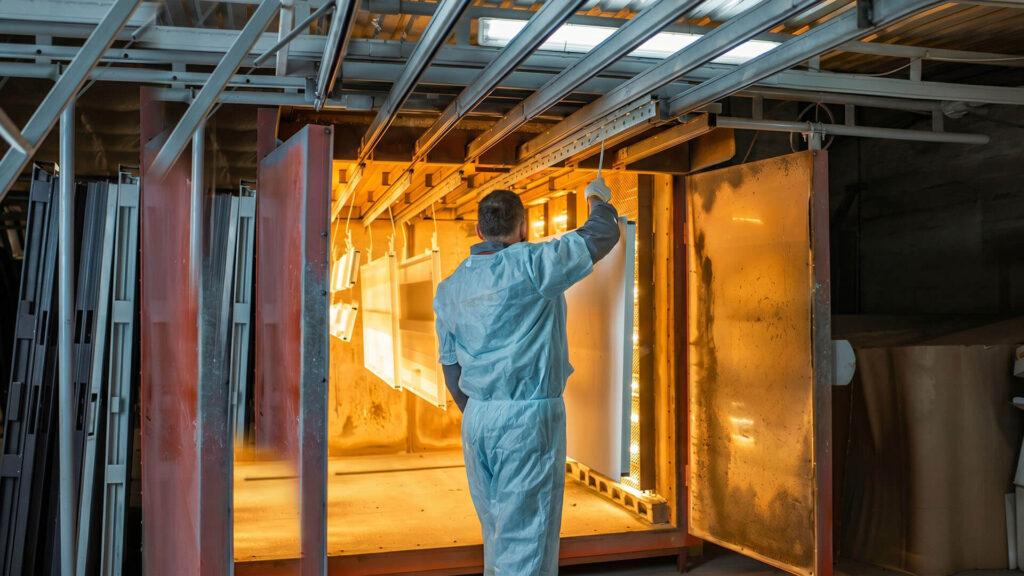
Heat melts the powder. The molten powder flows across the part. The cooling plastic locks onto the metal.
Every powder requires a specific “cure schedule”—a strict combination of time at temperature. In our industrial ovens at ShincoFab, we monitor the core temperature of the metal, not the air. The curing clock (for example, 20 minutes) only starts once the metal substrate actually reaches the target temperature (for example, 400°F). It does not start when you put the cold part into the hot oven.
Under-baking prevents the powder from fully curing. The process creates an “undercooked” shell. The finish looks fine outwardly but scrapes off easily.
Why Does Spraying Powder Too Thick Cause Peeling?
Excess powder ruins finishes. Keep coating thickness between 2 and 3 mils. Coatings over 5 mils become brittle. Brittle coatings ruin the bond and chip easily. Conversely, thin layers leave the metal exposed. You must hit the exact thickness window.
How Does Bad Grounding Affect Powder Coating?
Powder coating relies on static electricity. The spray gun electrode charges the powder positive. The grounded metal part acts as a negative anchor. If the ground is weak, the electrostatic attraction fails.
This failure creates the Faraday cage effect. The effect blocks powder from inner corners. It creates heavy build-up in some areas and bare metal in others.
Why Do Sharp Edges Peel First?
Peeling frequently starts on sharp edges. Heated powder naturally pulls away from sharp points. Sharp edges create dangerously thin paint layers. Moisture penetrates these thin areas. The moisture triggers delamination. Filing down sharp edges prevents this failure.
How Does UV Exposure Destroy Epoxy Powders?
UV rays quickly degrade and destroy epoxy powders. Indoor powders fade, chalk, and lose adhesion outdoors. You must match powder chemistry to the physical environment.
Why Do DIY Garage Powder Coating Jobs Peel Faster?
You bought an inexpensive spray gun. You dragged an old stove into the garage. A month later, the coating delaminates from your parts. We see this constantly when hobbyists bring failed parts to our factory for salvage.
DIY garage jobs suffer adhesion failure faster than factory finishes for three specific reasons.
First, DIY setups lack chemical pretreatment. Simple solvent wipe-downs leave microscopic contaminants. At ShincoFab, our professional line uses a multi-stage chemical pretreatment wash. We use hot heavy-duty phosphates. Hot phosphates etch the metal. The etched surface creates a mechanical profile. The powder binds to this profile.
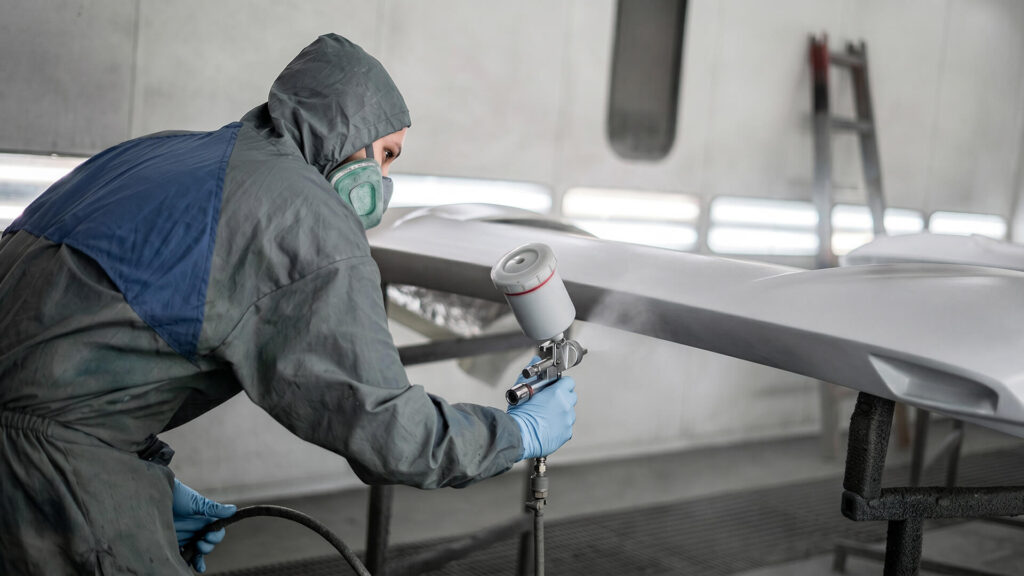
Second, cheap spray guns produce inconsistent results. They fail to hold steady static charges. Weak charges cause clumping powder. Clumping creates uneven coat thickness.
Third, kitchen ovens lack proper air circulation. Poor circulation creates massive temperature fluctuations. Temperature fluctuations cause uneven baking. Uneven baking guarantees adhesion failure.
How Do You Fix Peeling Powder Coat?
Adhesion failure requires action. You have two choices: patch the damage or start over.
When Should You Use Liquid Touch-Up Paint?
Small chips require simple fixes. Sand the sharp edges of the chip. Wipe the area clean. Apply a matching liquid touch-up paint.
However, liquid paint lacks the durability of cured powder. It creates a slightly uneven appearance. It remains vulnerable to future delamination.
When is a Full Strip and Recoat Necessary?
Large flaking sheets require a full strip and recoat. You cannot spray new powder over a compromised finish.
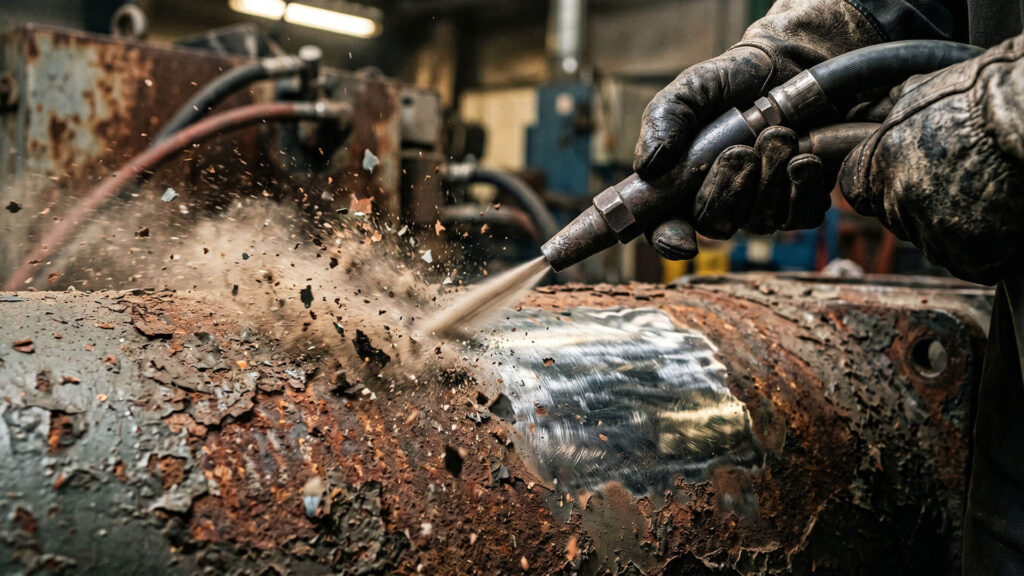
Sandblasting strips the entire part to bare metal. The process removes all failing paint. It also creates a fresh mechanical profile. The new powder locks onto this rough texture.
However, many DIYers lack access to expensive sandblasting equipment. If you cannot afford a sandblaster, use industrial chemical strippers as a highly effective alternative. Chemical strippers (like Aircraft Remover or B17) break the chemical bond and dissolve the failing powder coat down to bare metal. Apply the stripper heavily, wait for the paint to bubble and lift, and scrape it off. Always wear strict safety gear, as these chemicals are highly caustic.
How Should You Talk to a Professional Coater About Peeling?
You paid for a professional finish. The shop should fix their mistakes.
Last month, a client brought us a custom 4×4 bumper experiencing severe coating rejection. Using our mil thickness gauge, we found the previous shop sprayed it at 8 mils thick—triple the recommended thickness. Once we sandblasted and recoated it to a strict 2.5 mils, it easily survived our cross-hatch adhesion test.
As a factory manager, let me tell you the best approach. Yelling makes shop managers defensive. Calm communication secures warranty repairs.
Call the shop manager. Say, “The coating on my part is flaking off in sheets. We might have an adhesion issue or excessive thickness. Can I bring it by for inspection?”
We immediately respect clients with technical understanding. This phrasing highlights a technical process error, not a personal failure. Reputable shops will appreciate your professionalism and strip the part for free.
How Do You Prevent Powder Coat from Peeling?
Prevent adhesion loss by locking down your application process. Guarantee a permanent bond by following these three rules.
How Do You Clean Metal Before Powder Coating?
Bare metal forms the foundation. Heavy-duty degreasers remove surface oil. Clean water rinses away chemical residue. Complete drying prevents moisture trapping. Hidden water drops destroy paint adhesion. Sandblasting before cleaning provides the ultimate mechanical grip.
How Do You Measure the Correct Curing Temperature?
Trusting the oven dial causes under-cured parts. Your oven reads 400 degrees, but your thick steel part measures only 250 degrees.
The curing schedule starts only when the metal reaches target temperature. Point an infrared thermometer directly at the thickest part of the metal. Start your timer when the metal achieves the required heat.
What Are the Best Spray Gun Settings for Powder Coating?
High air pressure ruins powder application. Keep your air pressure between 10-15 PSI. Hold the spray gun 8 to 10 inches away from the surface. High pressure piles powder up too fast. This creates the thick, brittle layers that cause future chipping.
How Do You Maintain Powder Coated Parts?
Powder coat offers incredible durability, but requires proper maintenance. Protect your finish to keep it looking fresh.
What is the Best Way to Wash Powder Coated Metal?
Harsh chemicals dull the finish. Solvents and stiff brushes break down the coating over time. Mild soap, warm water, and soft sponges remove dirt safely. Regular washing prevents grime and salt accumulation.
How Do You Prevent Small Chips from Spreading?
Impacts cause tiny chips. Exposed chips invite moisture underneath the paint. Trapped moisture creates subsurface rust. This rust triggers widespread delamination.
Check your parts regularly. Seal tiny chips immediately with a touch-up pen. Prompt maintenance prevents major coating rejection.
Conclusion
Powder coat delamination signals a process failure. Dirty surfaces, cold ovens, and excessive thickness destroy adhesion.
At ShincoFab, we see this reality daily. Precision metalwork becomes worthless if the finish fails to adhere. Preparation matters exactly as much as fabrication.
Clean your metal meticulously, measure part temperatures accurately, and control your spray thickness. Apply these factory rules today, and your powder coating will stay locked on for years.