What is an IP rating? An IP (Ingress Protection) rating is defined by the IEC 60529 Ingress Protection (IP) rating standard, which classifies how effectively a device enclosure protects its internal components from solid objects, such as dust, and liquids, such as water.
Have you ever bought a ‘waterproof’ device or enclosure only to watch it die the first time it got wet? If so, you aren’t alone.
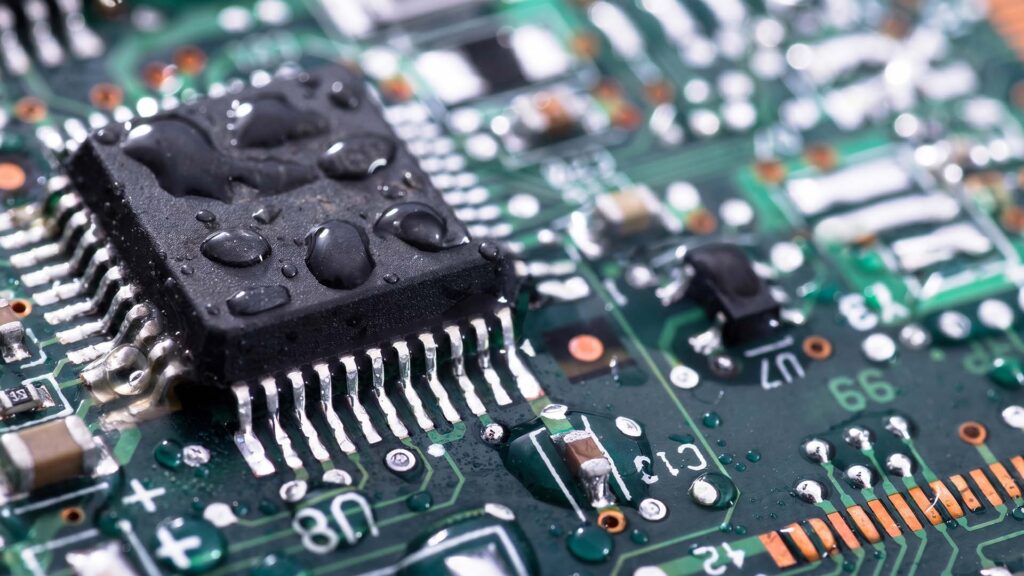
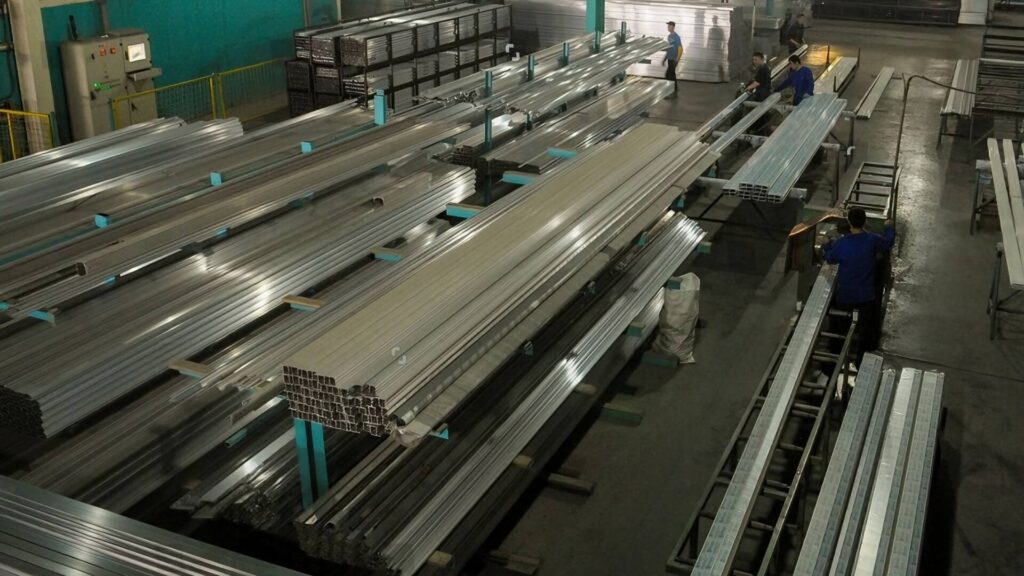
As a lead fabrication engineer at ShincoFab, I oversee the custom manufacturing of sheet metal enclosures for industrial and outdoor electronics. Through this work, I have seen firsthand how water destroys expensive gear. Frequently, clients come to our factory with fried circuit boards because a cheap, off-the-shelf plastic box failed them. The secret to protecting your devices, and knowing when to upgrade to a custom sheet metal enclosure, lies in understanding these IP water resistance ratings.
In this guide, I will decode this rating system from a manufacturer’s perspective so you know what you are buying. You will learn how to read the numbers, avoid sneaky marketing traps, and determine which rating is best suited for your next project.
Brief Summary: Key IP Rating Rules
- The Code: The first digit (0-6) measures dust protection; the second digit (0-9) measures liquid protection.
- The Baseline: Use IP44 for damp indoors, IP65/66 for outdoor rain, and IP67/68 for submersions.
- The Exception: IP ratings generally do not apply to moving water (swimming) or corrosive liquids (saltwater/chlorine).
Why Are IP Ratings Important for Your Electronics?
Can You Submerge Any Device With an IP Rating?
No, you cannot submerge every device. An IP rating provides a safety net; it does not provide a license to treat your gear like a submarine.
If you accidentally drop your phone in the toilet, a high IP rating saves the device. Think of it like a seatbelt. The rating protects your device during an accident, but you shouldn’t go crashing your car on purpose.
How Do IP Ratings Prevent Expensive Water Damage?
By sealing out moisture, proper IP ratings prevent severe equipment failure and expensive replacement costs.
Imagine installing a cheap, unrated light fixture on your back porch. A heavy rainstorm hits, water seeps inside the housing, and the light dies. Consequently, you must buy a new fixture and spend your weekend rewiring it. Investing a bit more for the correct IP rating upfront can save you from these costly replacements.
Do IP Ratings Prevent Electrical Hazards?
Yes, IP ratings help prevent deadly combinations of water and electricity. When water breaches an electrical box, it causes short circuits. Ultimately, this leads to three major hazards:
- Fires: Short circuits can cause electrical fires if not properly contained.
- Outages: Water trips circuit breakers and kills household power.
- Shocks: Wet enclosures deliver serious electric shocks upon touch.
A proper IP rating securely seals the water out to prevent these structural failures.
Why Are Unverified Waterproof Claims a Marketing Trap?
Why Should You Ignore Generic Waterproof Labels?
You should be skeptical of “waterproof” labels because they are often loosely defined marketing terms, unlike official IP certifications.
Consumer brands love slapping words like ‘waterproof’ or ‘water-resistant’ on packaging. At ShincoFab, we know exactly why manufacturers do this: official IP certification requires expensive lab testing, and mass-produced items frequently fail these rigorous tests. As a direct result, brands rely on marketing fluff instead.
If a box claims water resistance but lacks an official IP rating printed on the label, you might want to put it back on the shelf.
Does Your Warranty Cover Water Damage?
No, standard warranties almost never cover water damage.
Commercials often show people swimming with top-of-the-line smartphones boasting massive IP68 ratings. However, if water breaks the phone, the company will likely not replace it. Even with the highest IP ratings, manufacturers enforce strict rules regarding internal liquid damage:
- First, technology companies routinely exclude water damage from standard warranties.
- Second, internal liquid indicators typically void warranty agreements when triggered.
- Therefore, consumers pay out-of-pocket for most liquid-related repairs.
Apple states that iPhone 15 water resistance is not permanent, and that liquid damage is not covered by its standard limited warranty. Samsung Galaxy devices may also have water-resistance ratings, but warranty coverage for liquid damage varies by device, market, and protection plan.
What Exactly Is an IP Rating?
How Do You Read IP Rating Numbers?
An IP rating code contains two specific numbers, read independently of one another. IP65 provides a standard example.
- The First Digit (6): The first digit measures solid particle protection. This number dictates resistance against tools, dirt, and fine dust.
- The Second Digit (5): The second digit measures liquid ingress protection. This number dictates resistance against moisture, condensation, and water jets.
This two-digit code guarantees specific environmental resistance. Furthermore, you can better match device capabilities to your project requirements.
What Does the “X” Mean in an IP Rating?
The “X” indicates that the manufacturer did not test the device for that specific protection level.
However, the “X” does not mean zero protection; it simply acts as a placeholder. For example, an IPX7 radio survives water submersion (the 7). However, the lab never tested dust resistance (the X).
What Do Partial Ratings Like IPX4 or IP6X Mean?
Because of the “X” placeholder, you will frequently see partial ratings on specific types of gear.
- Is IPX4 Waterproof? No. Many wireless earbuds and fitness trackers advertise an IPX4 rating. IPX4 only means the device survives sweat and light splashes from any direction. You should not submerge an IPX4 device.
- What Does IP6X Mean? If you buy off-road gear or heavy-duty power tools, you will often see an IP6X rating. This means the lab certified the equipment as completely dust-tight (the 6), but they did not test or certify it for liquid protection (the X). Therefore, keep IP6X gear out of the rain.
What Do Mixed Ratings Like IP54 Mean?
Mixed ratings combine two different levels of moderate protection. For example, IP54 is common on e-bikes and outdoor security cameras. The “5” provides significant (but not absolute) dust protection. The “4” provides multi-directional splash protection. Always read both digits independently to know what elements your device can handle.
How Do You Read the IP Rating Chart?
What Does the First Digit Mean? (Dust Protection 0-6)
The first digit in an IP rating measures protection against solid objects on a scale of 0 to 6. Use this reference chart to determine a device’s dust resistance:
| Rating | Technical Protection Level | Practical Example |
|---|---|---|
| IP0X | Zero protection against solid objects | N/A |
| IP1X | Blocks solid objects larger than 50mm | Human hands |
| IP2X | Blocks solid objects larger than 12.5mm | Human fingers |
| IP3X | Blocks solid objects larger than 2.5mm | Thick wires |
| IP4X | Blocks solid objects larger than 1mm | Small screws |
| IP5X | Protects against dust ingress | Harmless micro-particles |
| IP6X | Provides a completely dust-tight seal | Heavy industrial dust |
What Does the Second Digit Mean? (Liquid Protection 0-9)
The second digit in an IP rating measures protection against liquids on a scale of 0 to 9. Use this reference chart to determine a device’s water resistance:
| Rating | Technical Protection Level | Practical Example |
|---|---|---|
| IPX0 | Zero protection against liquids | N/A |
| IPX1 | Protects against vertically falling water drops | Light condensation |
| IPX2 | Protects against vertical drops at a 15-degree tilt | Angled dripping |
| IPX3 | Protects against spraying water up to a 60-degree angle | Light rain |
| IPX4 | Protects against splashing water from any direction | Heavy splashes |
| IPX5 | Protects against low-pressure water jets | Garden hoses |
| IPX6 | Protects against powerful, high-pressure water jets | Heavy seas / Strong jets |
| IPX7 | Protects against temporary water submersion (1m / 30 min) | Accidental toilet drops |
| IPX8 | Protects against continuous deep-water submersion | Pool equipment |
| IPX9K | Protects against high-temp, high-pressure steam cleaning | Industrial washing |
To illustrate this pressure, an IP66 test blasts the device with 14.5 PSI (100 kPa) of water. An IP69K test blasts the device with 1,160 to 1,450 PSI (8,000 to 10,000 kPa) of scalding hot water. This pressure strips paint from metal!
Which Common IP Ratings Do You Actually Need?
What is an IP44 Rating Used For?
Bathroom lights and covered porch fixtures require IP44 ratings. This rating blocks wires and handles multi-directional water splashes. As a result, it serves as the industry standard for damp areas. Shower steam will not short out an IP44 vanity light.
When Should You Use IP65 and IP66 Ratings?
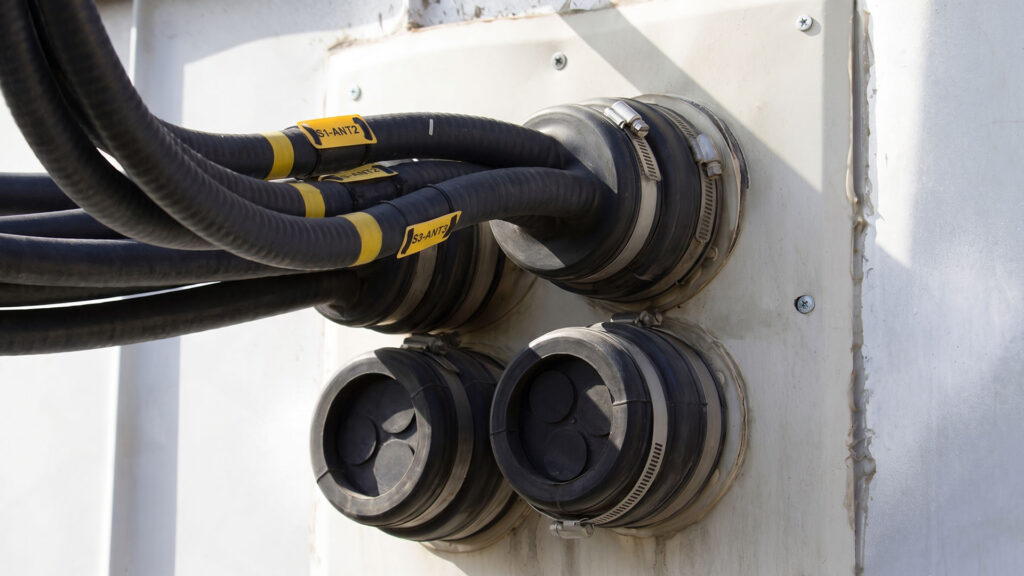
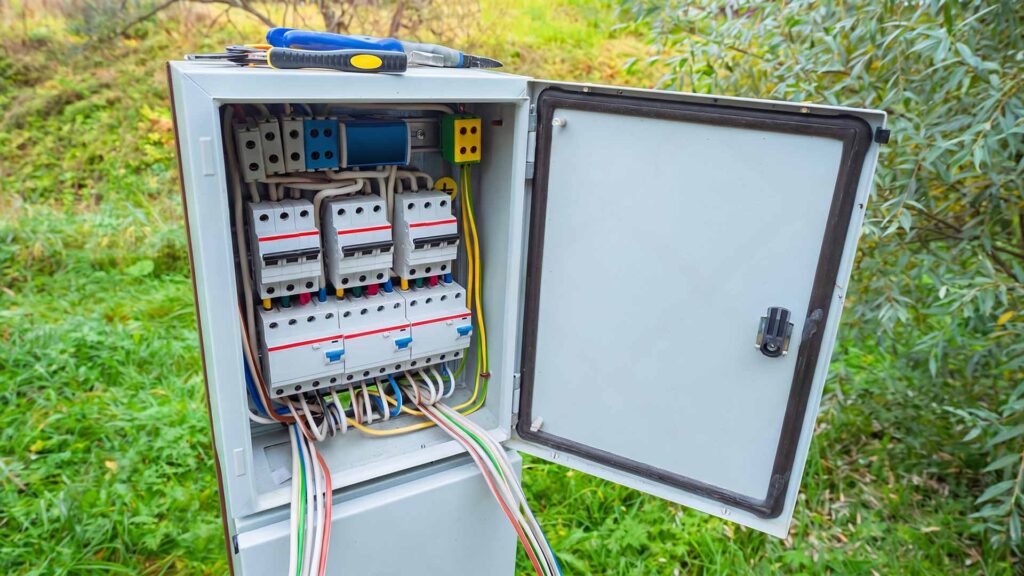
Fully exposed outdoor electronics require higher protection. At ShincoFab, clients primarily request IP65 and IP66 ratings for outdoor telecom cabinets and heavy-duty electrical panels.
These ratings guarantee dust-tight seals and survive direct water jets. To achieve this protection in our factory, we precision-weld the sheet metal seams and install industrial-grade continuous gaskets.
ShincoFab Engineering Case Study:
Just last month, a client brought us a standard IP55 plastic box protecting telecom gear. Winter temperature shock had cracked the plastic enclosure, causing total equipment failure. We replaced it with a custom, precision-welded IP66 sheet metal enclosure utilizing continuous EPDM gaskets. This upgrade effectively solved their water ingress problem and proved why enclosure material matters just as much as the IP rating itself.
Which IP Ratings Are Safe for Total Submersion? (IP67 vs IP68)
IP67 and IP68 are the primary ratings built for total water submersion. Accidents happen, and if your phone falls into a toilet, you can usually safely wash it off. These ratings guarantee submersion protection based on specific depth and time limits:
- IP67: Survives 1 meter of water for 30 minutes.
- IP68: Survives deeper water for longer periods.
Therefore, swimming pool lights and koi pond pumps require a minimum rating of IP68.
What Hidden Dangers Do IP Ratings Ignore?
Are IP Ratings Safe for Saltwater or Pool Chlorine?
No, IP ratings are typically tested using pure, fresh water. Standard lab tests do not account for saltwater, pool chlorine, or soapy water.
Consequently, ocean saltwater rapidly corrodes metal charging ports and rubber seals. Taking an IP68-rated phone into the ocean carries massive risks. Keep your devices away from saltwater and harsh chemicals.
How Long Can an IP68 Device Stay Underwater?
An IP68 device cannot stay underwater indefinitely. Consumers mistakenly believe IP68 devices remain waterproof forever, but the number “8” simply indicates better performance than level “7”.
In reality, manufacturers dictate the exact time and depth limits for IP68 ratings:
- Brand A might test their IP68 phone for 1.5 meters at 30 minutes.
- Brand B might test their IP68 camera for 3 meters at 60 minutes.
Always read the fine print. IP68 does not grant an unlimited underwater pass.
IP Ratings vs. ATM: What’s the Difference?
What is the Difference Between IP Ratings and ATM Ratings?
IP ratings measure static electronic resistance, while ATM ratings measure dynamic water pressure.
Specifically, IP ratings test how well stationary devices (like phones) handle water exposure. In contrast, ATM (Atmospheres) measures how well moving devices (like fitness trackers) handle water pressure while cutting through water.
Which Rating Matters More for Swimming?
For swimming, ATM ratings matter significantly more than IP ratings. Swimmers should prioritize ATM ratings over IP ratings, because swimming arms crash into water and create high water pressure that easily blasts past standard IP seals. Use this comparison chart to choose the right rating for water activities:
| Rating Standard | Best Use Case | Suitability for Swimming |
|---|---|---|
| IP68 | Dropping phones in puddles | Fails during swimming |
| 5 ATM (50 Meters) | Showering and snorkeling | Safe for surface swimming |
| 10 ATM (100 Meters) | Surfing and water sports | Safe for high-impact swimming |
Why Do IP Ratings Fade Over Time?
How Do Rubber Seals and Adhesives Degrade?
IP ratings fade because rubber gaskets dry out and internal glues deteriorate. An IP68 phone does not stay IP68 forever.
Manufacturers use tiny rubber gaskets and specialized glues. Unfortunately, these seals degrade over time due to several environmental factors:
- Drying: Rubber gaskets dry out and crack.
- Impacts: Drop impacts shift and break internal glue lines.
- Friction: Daily wear and tear slowly destroys water resistance.
A cracked screen breaks visible glass, but invisible seals break much faster. For this reason, aging phones should generally be kept away from pools.
How Does Temperature Shock Ruin IP Ratings?
Temperature changes expand and shrink metal, destroying IP seals. This is especially true in poorly designed enclosures.
ShincoFab deals with this engineering challenge constantly. Weather drastically expands and contracts sheet metal. Summer sun expands an outdoor electrical box and stresses internal rubber gaskets. Then, a sudden cold rainstorm shrinks the metal quickly. If the manufacturer ignores precise tolerances, this movement creates micro-gaps where water easily enters.
Studies of UV-induced silicone-rubber aging show that prolonged ultraviolet exposure can alter the polymer network and mechanical properties of silicone elastomers. In gasket applications, UV and thermal aging may cause some elastomer materials to harden, crack, or lose flexibility, depending on the material formulation and service environment.
How Do You Choose and Upgrade IP Ratings?
How Can You Avoid Overpaying for High IP Ratings?
You avoid overpaying by matching the rating to the exact environment rather than buying the highest number available.
Higher IP ratings generally carry a price premium. However, indoor electronics typically do not require extreme ratings. A living room Wi-Fi router only needs a basic IP44 rating to block dust and accidental spills. Save your budget for outdoor gear.
While a basic IP44 outdoor wall fixture is relatively affordable, upgrading to a heavy-duty IP65 model of the exact same style can easily cost twice as much. It is usually not worth paying this 100% premium unless the equipment will be exposed to direct water jets or heavy rain.
Can You Upgrade an Existing Enclosure?
Yes, you can upgrade an enclosure using industrial seals and potting techniques. When clients ask ShincoFab to retrofit older enclosures, we recommend three industrial fixes:

- First, use Continuous Rubber Gaskets: Discard cheap weatherstripping. Install a dense, industrial-grade EPDM rubber gasket under the lid before tightening the screws.
- Second, apply Silicone Sealant on Welds: Apply waterproof silicone beads along unsealed rivets and internal spot welds.
- Alternatively, utilize Potting Compound: Pour liquid potting compound over custom circuit boards. The liquid hardens into a solid block, creating a highly robust barrier against water.
Conclusion
IP ratings do not act as magic shields. Instead, they provide a standardized measurement tool for device capabilities.
Treat these ratings as an accident safety net, not a license to abuse electronics. Ignore flashy marketing text and read the two-digit code. Stick to IP44 for damp indoor areas, step up to IP65 for heavy rain, and rely on IP68 for accidental submersions.
Most importantly, match the rating to the environment. When you properly decode IP resistance ratings, you protect your electronics and make smarter purchasing decisions.