


Frequently Asked Questions
In the world of industrial metal coatings, a fraction of a micron can be the difference between a perfect assembly and a scrapped part. We don’t just dip parts in a tank; we proactively engineer potential failures out of the process. From calculating pre-plate thread allowances to mitigating structural risks, review the technical answers below—or submit your blueprint for a direct consultation.
Will zinc plating alter the dimensions of my tapped holes and internal threads?
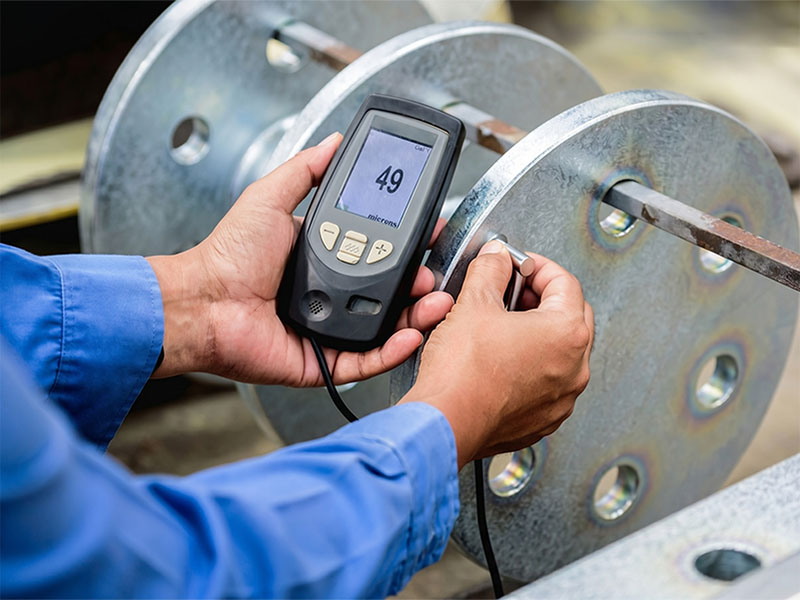
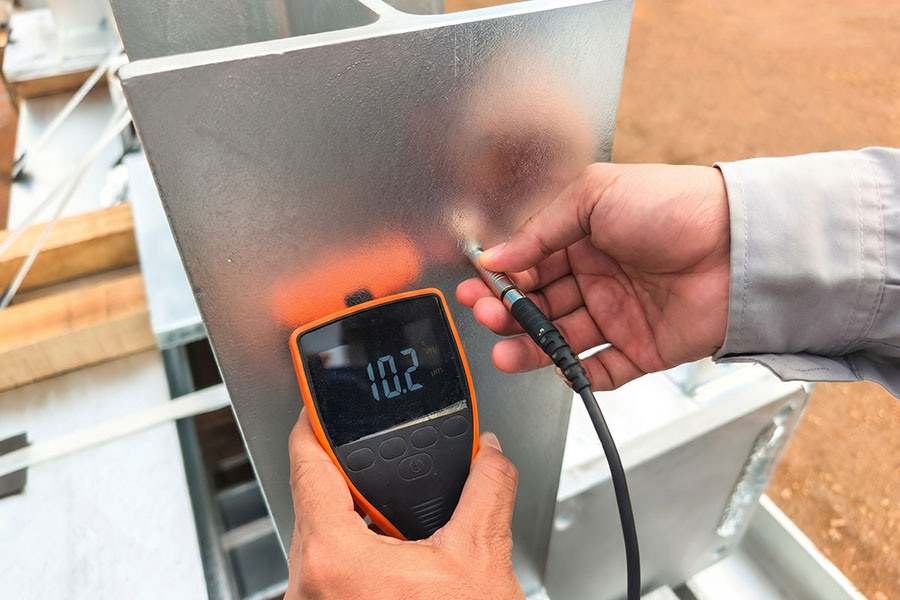
Yes, but we plan for it. Zinc plating adds material (typically 5µm to 13µm depending on the SC level). This build-up is magnified on threaded surfaces. If your parts have tight-tolerance tapped holes, please note this on your RFQ. We use specific bath controls and can recommend the proper pre-plate thread allowances to prevent thread binding.
Can you plate specific areas of my part and mask others?
Absolutely. We offer precision masking services for ground points, specific threaded holes, or mating surfaces where bare metal is required. We use custom silicone plugs and high-temperature masking tapes to ensure sharp transition lines and zero plating bleed.
How many hours of salt spray resistance (ASTM B117) does your finish provide?
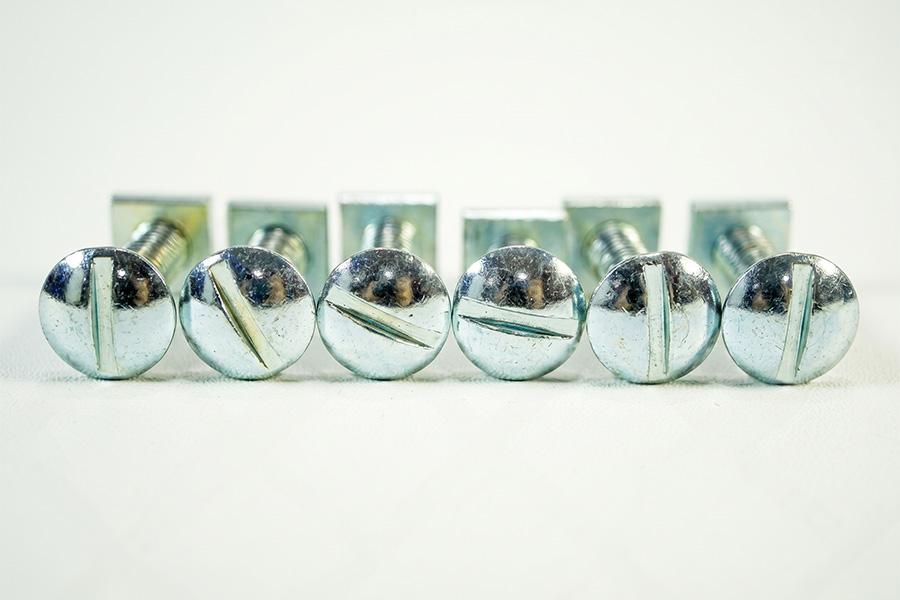
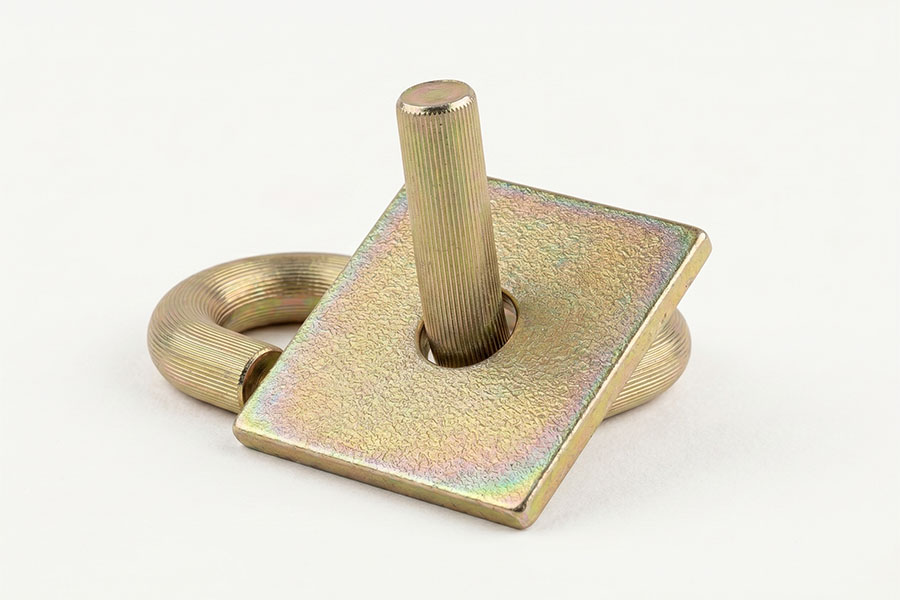
As a sacrificial anode coating, zinc naturally protects the base metal by corroding first. However, the overall hours to white/red rust depend heavily on the chromate conversion coating applied over the zinc layer. Generally, our Trivalent Clear provides up to 96 hours to white rust, while our high-build Yellow can exceed 120+ hours. If your application requires specific salt spray hours, specify it in your RFQ, and we will tailor the bath chemistry to meet it.
Do you provide hydrogen embrittlement relief baking certificates?
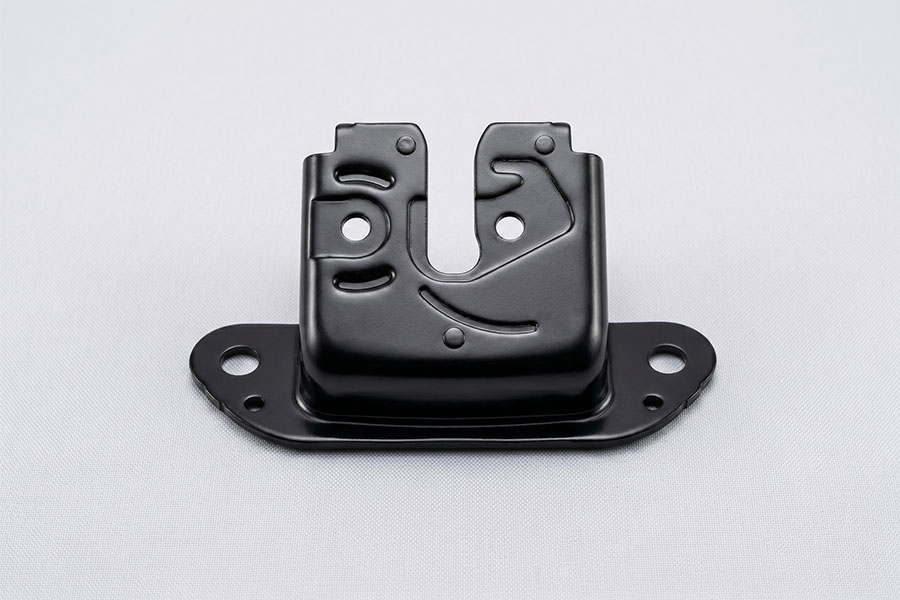
Yes. For high-tensile fasteners and formed sheet metal parts (hardness >31 HRC), we mandate post-plate baking within hours of electroplating. A documented baking certificate is included with your Certificate of Compliance (CoC) upon delivery.
