
Frequently Asked Questions
We don’t want you guessing whether your specific application is viable or hoping your supply chain is aligned. Below are straight answers to the most common engineering and procurement obstacles we solve when installing sheet metal hardware.
What is the thinnest sheet metal gauge you can safely press hardware into?
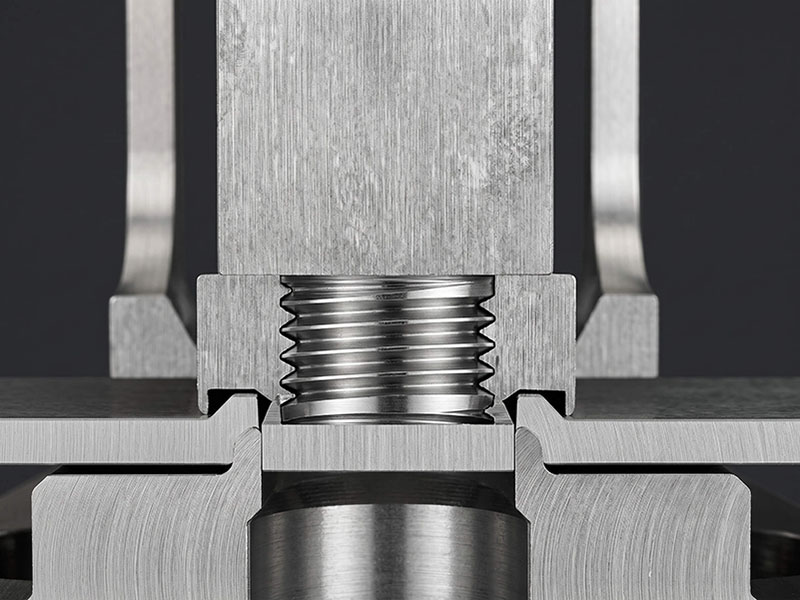
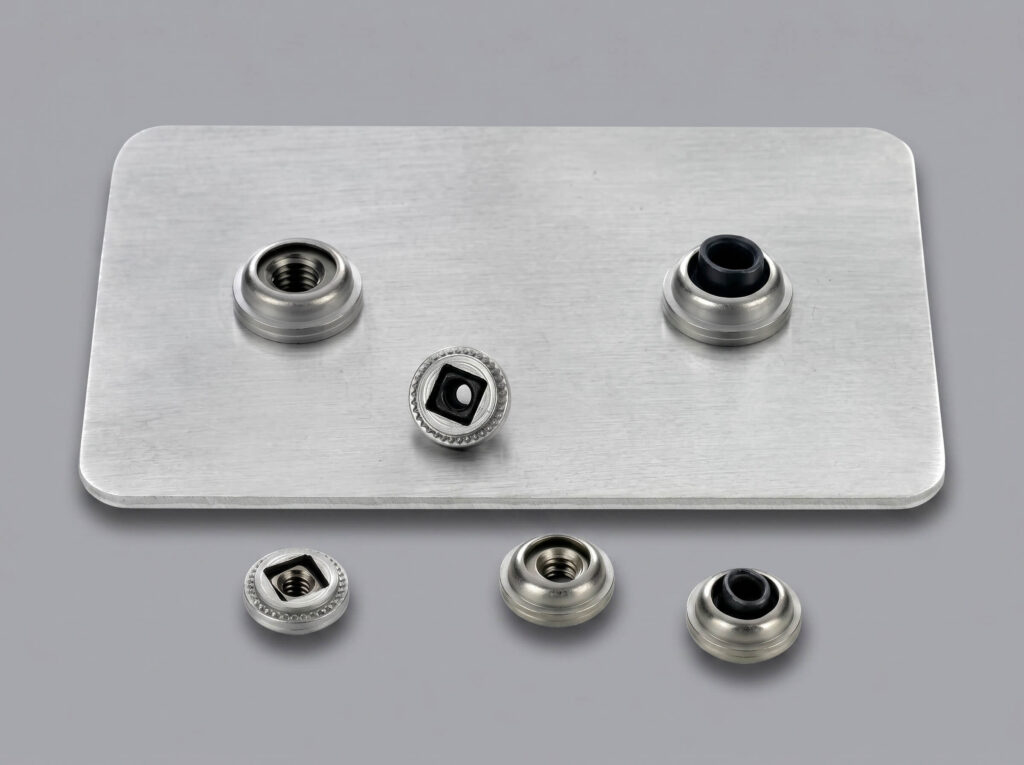
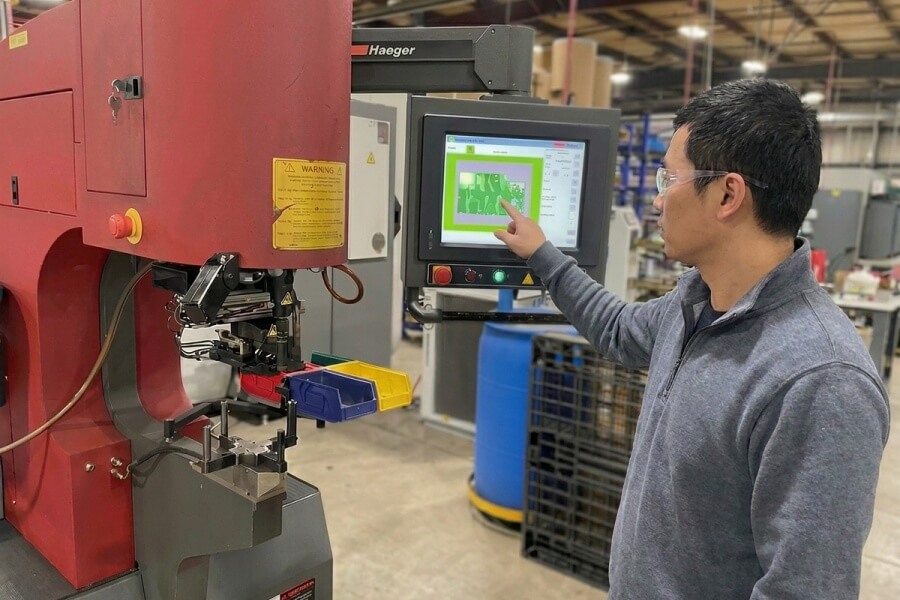
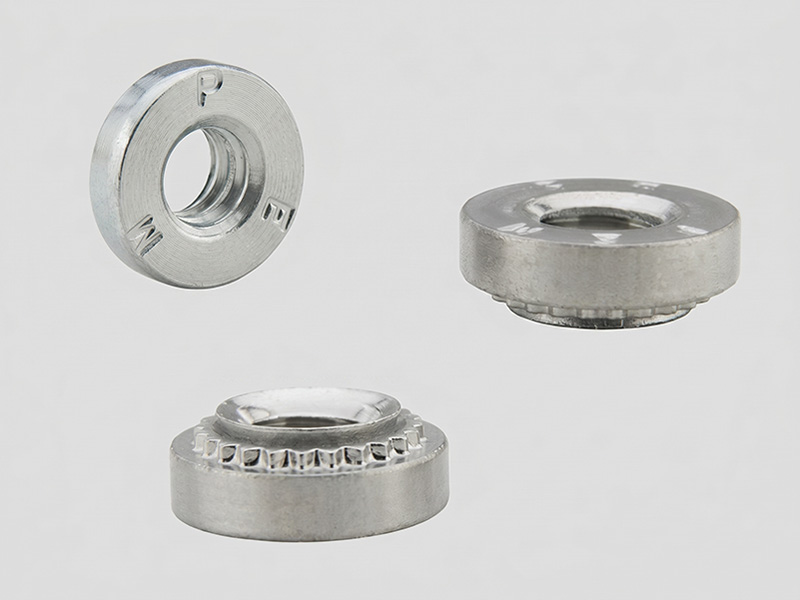
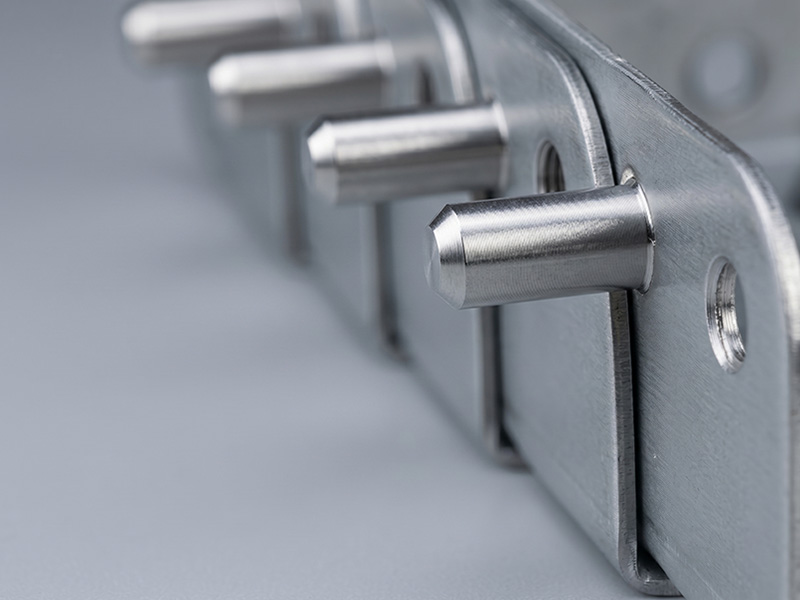
For standard self-clinching nuts and standoffs, the absolute minimum sheet thickness is usually 0.8mm (0.030″). However, using our variable-tonnage Haeger presses and specialized low-profile hardware (like PEM SMPS series), we can successfully clinch hardware into ultra-thin aluminum enclosures without causing panel warp or dimpling. Send your STEP file to confirm.
Do you source the fasteners, or do we need to supply them (Free-Issue)?
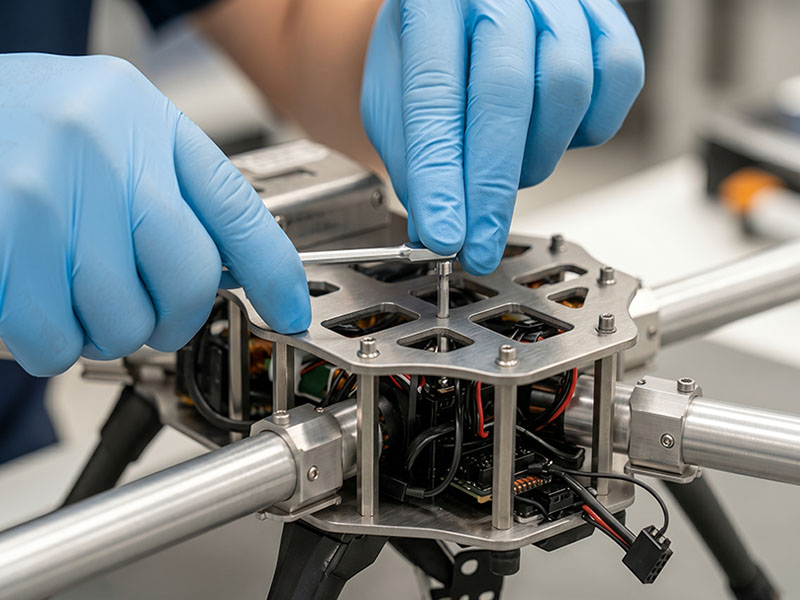
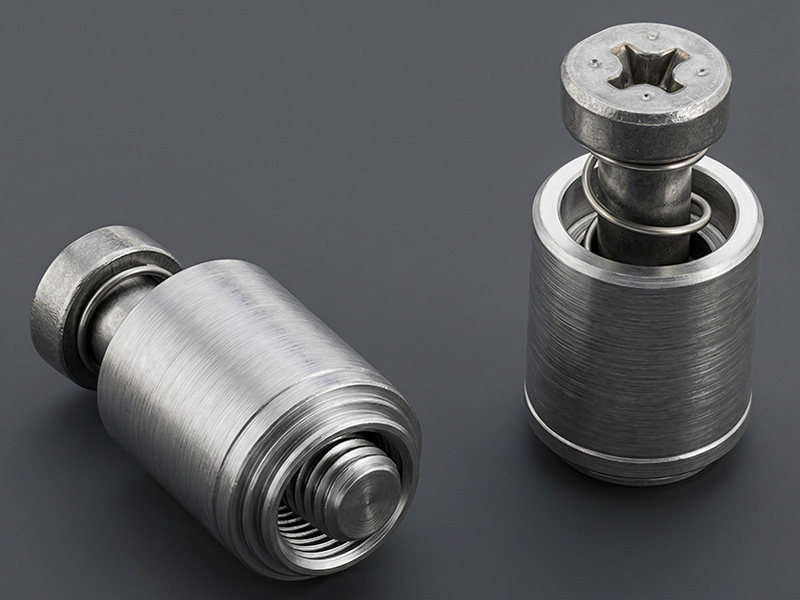
We are a Turnkey manufacturer. We source, stock, and install genuine PEM®, Southco®, and Captive hardware to save you the logistical headache and eliminate supply chain delays. However, if your design requires proprietary or highly custom hardware, we readily accept customer-supplied (free-issue) components.
Our metal chassis requires a cosmetic finish (anodized/painted). Will pressing hardware leave tooling marks on the visible side?
No. For cosmetic faceplates (e.g., audio equipment, medical devices), we utilize non-marring anvils (lower tooling) and apply protective film to the sheet metal during the insertion process. The flush side of the fastener will remain perfectly flat, and the surrounding metal will be free of scratches or tooling halos.
Can you perform hardware insertion with PEM fasteners for sheet metal after the parts are powder-coated?
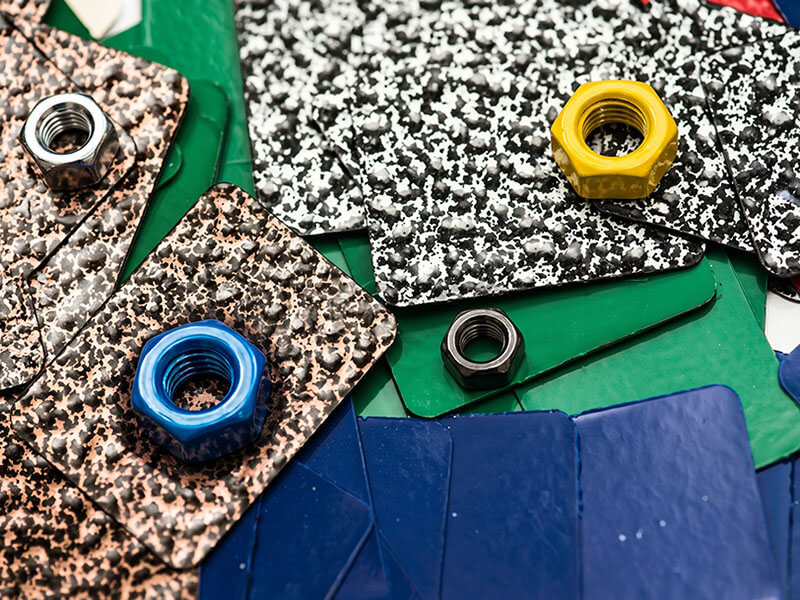
While physically possible, we strongly advise against it. Pressing hardware into previously powder-coated or painted surfaces often causes the brittle coating to micro-crack, flake, or chip around the insertion point, ruining the cosmetic finish. We standardize on pressing hardware into bare metal first, and using high-temp silicone masking plugs to keep the threads clean during the powder-coating cure cycle.
What if our CAD doesn't have the exact PEM® part numbers called out?
Not a problem. If your drawing simply calls for “M3 Nut,” our engineering team will evaluate the sheet thickness and material of your CAD geometry and specify the correct fastener (e.g., S-M3-1 for standard steel, or SP-M3-1 for stainless). We will note this exact callout on your RFQ for your approval.
