


Často kladené otázky
Než nahrajete svůj soubor CAD, pravděpodobně se budete zabývat podrobnými technickými otázkami nebo otázkami dodavatelského řetězce. Neschováváme se za obchodní zástupce. Níže jsou uvedeny přímé technické odpovědi týkající se laserového odpadu z těžkých desek, tranzitní oxidace a shody s RoHS.
Lze laserem řezat mosaz o tloušťce 6,0 mm bez výrazných otřepů nebo otřepů na hranách?
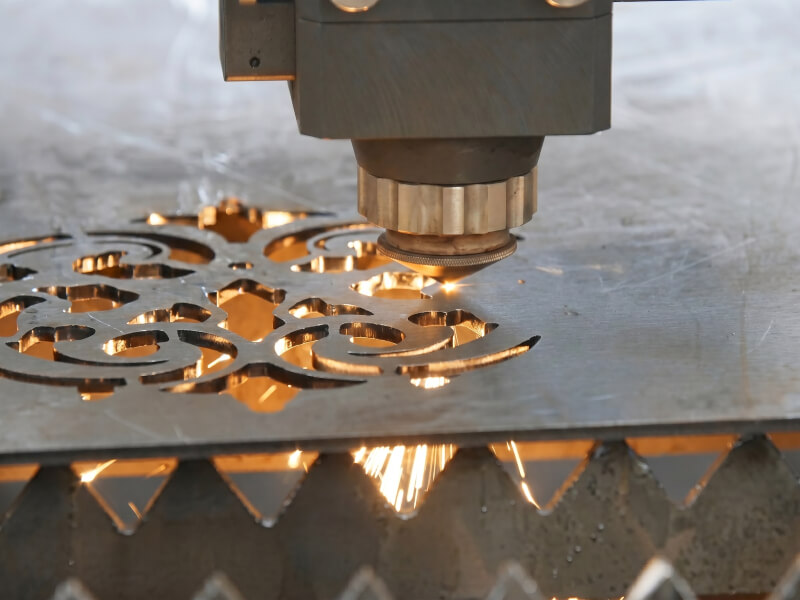
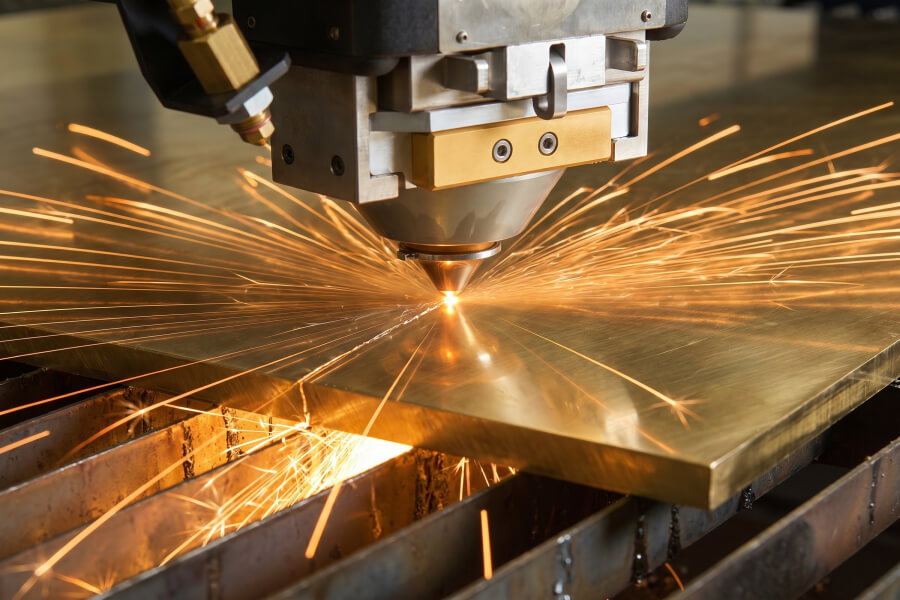
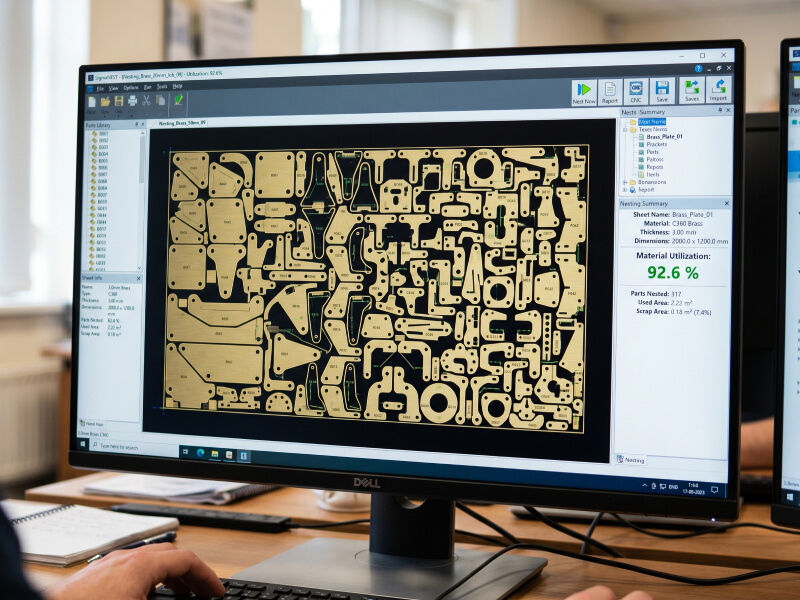
Ano. Standardní CO2 lasery mají problémy s 6mm mosazí kvůli extrémní tepelné odrazivosti, která na spodním okraji zanechává silnou strusku. Tento problém řešíme použitím vysoce výkonné vláknové lasery ve spojení s vysokotlakým dusíkem (N2).. Vláknový laser snadno proniká reflexním povrchem, zatímco plyn N2 okamžitě odvádí roztavený materiál a ochlazuje zónu řezu. Výsledkem je čistá hrana bez otřepů, která jen zřídka vyžaduje dodatečné mechanické odjehlení.
Mosaz se snadno poškrábe a oxiduje. Jak chráníte kosmetické díly během přepravy?
Rozměrově dokonalý díl je k ničemu, pokud dorazí poškrábaný nebo zašlý. Nepoužíváme volně ložené obaly pro kosmetickou mosaz. Ploché povrchy jsou chráněny odlepovací fólie s nízkou přilnavostí. Komponenty jsou pak vnořeny do polyuretanová pěna vysekávaná na zakázku aby se nikdy vzájemně nedotýkaly. Nakonec se celá dávka vakuově uzavřené s aktivními vysoušedly aby se zcela zablokovala vzdušná vlhkost a zabránilo se tranzitní oxidaci (zelená patina).
Náš konečný produkt se musí prodávat v Evropě. Dodáváte bezolovnatou mosaz v souladu s RoHS?
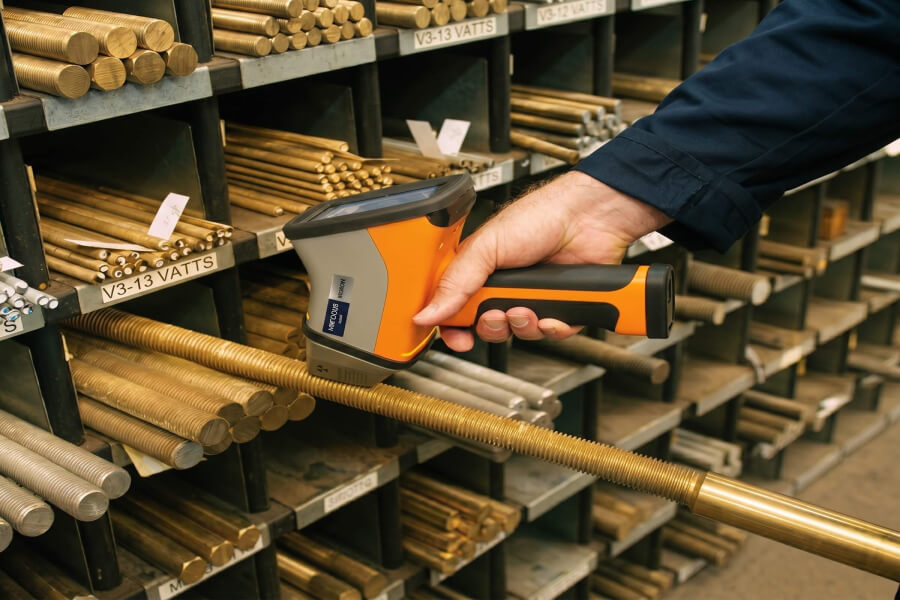
Rozhodně. Tradiční volně obrobená mosaz (jako C36000) používá olovo (Pb) pro kontrolu čipů, což je v rozporu se směrnicemi RoHS/REACH. Máme na skladě a obrábíme striktně vyhovující bezolovnaté alternativy, jako je Eco-Brass, slitiny s nízkým obsahem olova a vizmutu a čistý C27400/C28000. Stačí v RFQ zadat “RoHS” a my vám přiložíme certifikaci. Protokoly o zkouškách materiálu (MTR) potvrzení chemického složení slitiny s vaší zásilkou.
