

Изготовление листового металла из латуни

Specialized custom brass sheet metal fabrication designed to eliminate edge dross and bending micro-cracks. We provide precision laser cutting, CNC forming, and anti-tarnish finishing for C27400, C28000, and marine-grade copper alloys. Tolerances held strictly to +/- 0.05mm. Prototypes in 3 days; production runs in <14 days.

Brass Sheet Metal Fabrication Specs

Processing copper alloys requires more than standard equipment. ShincoFab utilizes specialized machinery calibrated specifically for the thermal conductivity, high reflectivity, and work-hardening properties of brass.

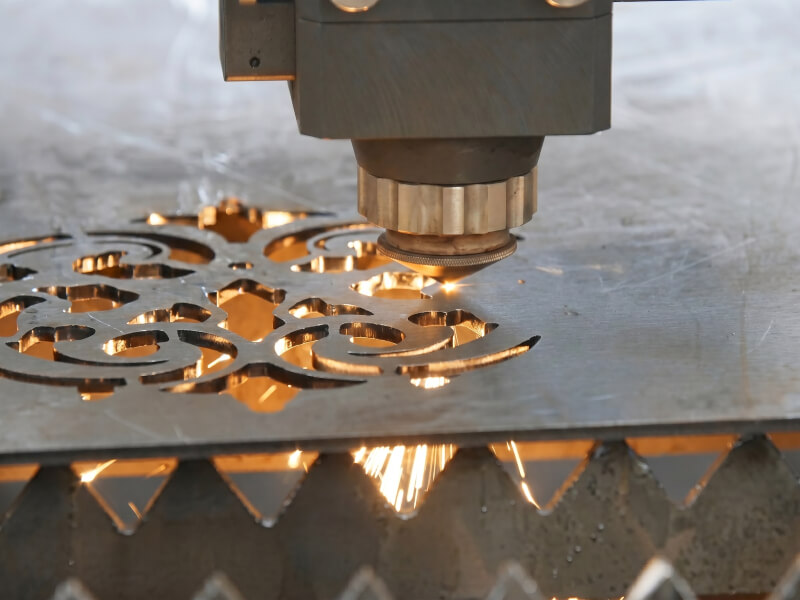
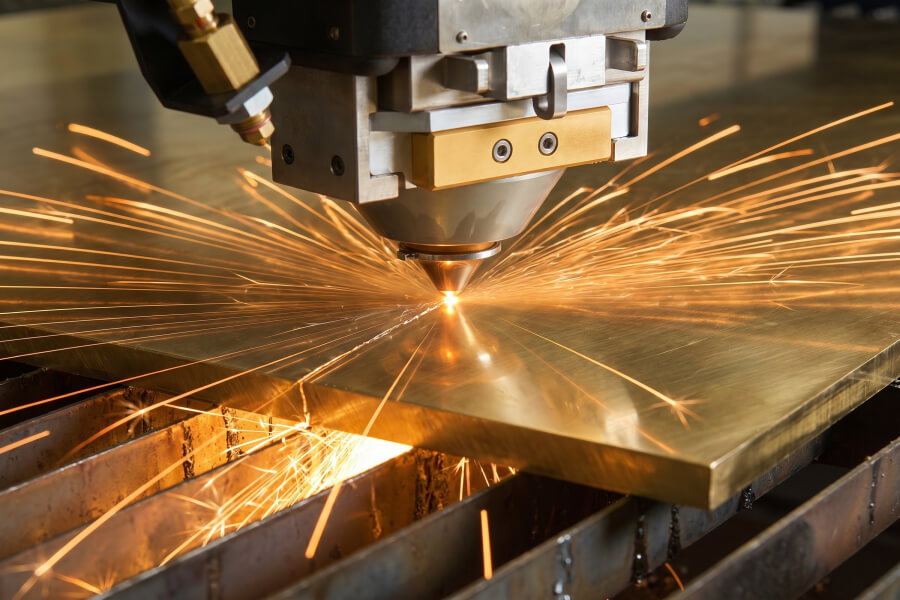
Fiber laser cutting brass sheet

Fiber Laser Cutting & Punching

  • Оборудование: High-wattage Fiber Lasers (Unlike CO2 lasers, fiber technology eliminates back-reflection damage, ensuring clean, dross-free cuts on brass).
  • Thickness Range: 0.5mm to 6.0mm.
  • Максимальный размер листа: Up to 1500mm x 3000mm.
  • Tolerance: +/- 0.05mm positioning accuracy.
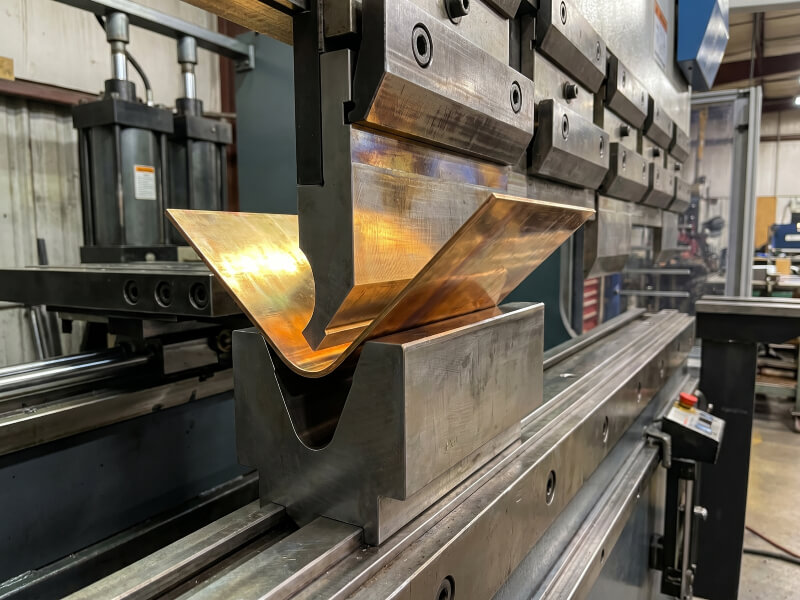
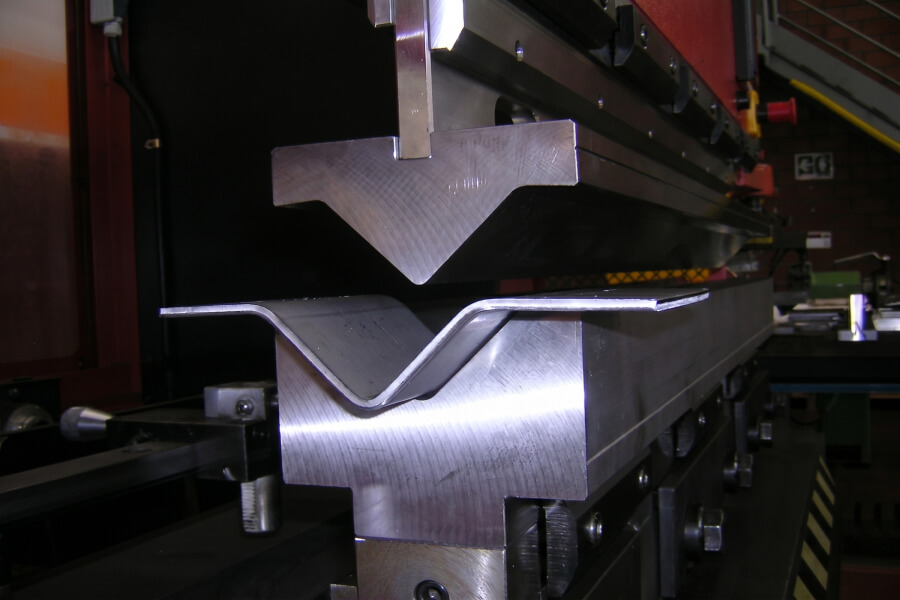
CNC bending for custom brass sheet metal

Precision CNC Bending & Forming

  • Оборудование: Multi-axis CNC Press Brakes (Up to 150-Ton capacity).
  • Cracking Prevention: Precision control over minimum bend radii (R-min) based on specific brass tempers (e.g., half-hard vs. annealed) to actively prevent micro-cracking and material fracture.
  • Mar-Free Production: Urethane tooling and protective films applied to guarantee a surface free of die marks or scratches.
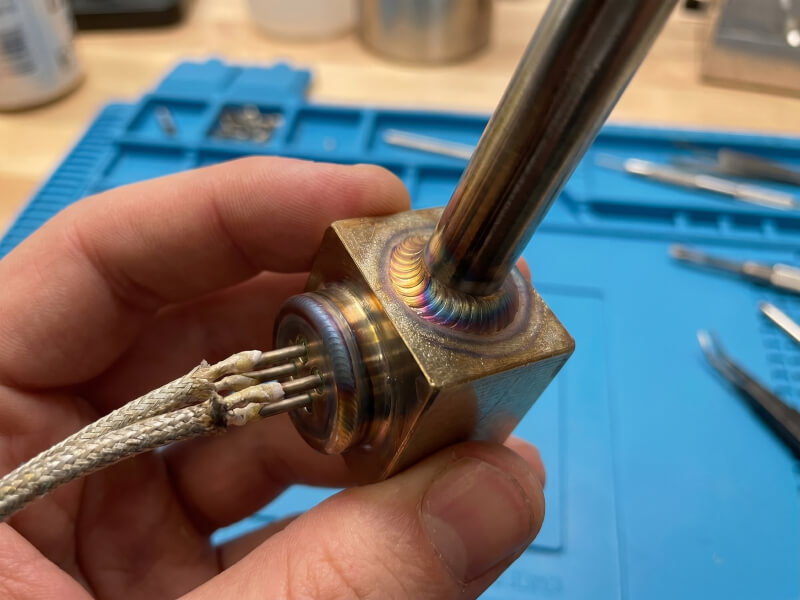
Precision TIG welding on brass assembly

Brass Joining & Assembly

  • TIG Welding (GTAW): Pulse-arc TIG with precise heat-input control to prevent zinc outgassing (vaporization) and weld porosity, a common failure point in brass welding.
  • Soldering & Silver Brazing: High-strength, capillary-action brazing for watertight, aesthetically seamless joints in fluid/marine applications.
  • Вставка оборудования: Press-fit installation of PEM nuts and standoffs.

Brass Alloy Engineering Properties

Selecting the wrong brass alloys for sheet metal leads to cracking during press brake forming or excessive tool wear during secondary machining. Below are the standard cold-rolled brass sheets and plates ShincoFab stocks and processes for precision applications.

Alloy Grade (ASTM / GB)Nominal CompositionTensile Strength (MPa)Yield Strength (MPa)Hardness (Rockwell B)Primary Application / Use Case
C26000 (Cartridge Brass) 70% Cu, 30% Zn 300 - 450 110 - 350 55 - 80 Deep Drawing & Severe Forming: Superior ductility; ammunition casings, complex stamped housings.
C27400 / H62 (Yellow Brass) 63% Cu, 37% Zn 300 - 450 100 - 300 50 - 80 General Fabrication: Excellent cold working properties; ideal for standard bending and cold heading.
C28000 / H59 (Muntz Metal) 60% Cu, 40% Zn 340 - 550 130 - 400 65 - 90 Structural / Architectural: High strength and excellent hot workability; architectural panels, marine hardware.
C35300 / C36000 (Free-Cutting) 61.5% Cu, 35.5% Zn, 3% Pb 340 - 500 150 - 350 55 - 85 Heavy Secondary Machining: Contains Lead (Pb) for chip breakage; mandatory for parts requiring extensive threading or drilling.

Engineering Tip from Our Tooling Department

If your sheet metal enclosure requires severe forming or deep drawing, C26000 is your only viable option. However, if your design calls for heavy secondary CNC machining (such as drilling tight-tolerance holes or threading), you must specify C35300 or C36000. The lead (Pb) content in these alloys acts as a microscopic internal lubricant, preventing continuous chips from wrapping around and snapping your taps.

Brass DFM & Failure Prevention

Brass is notoriously difficult to fabricate. It springs back, dissipates heat erratically, and cracks if abused. Most job shops learn this the hard way at your expense. Here is how our engineering team neutralizes these risks before the first sheet is ever cut.

Defeating Springback & Micro-Cracking

  • The Threat: Half-hard brass tempers (like H02) have high memory and directional grain structures, causing severe springback and outer-radius cracking during press brake operations on custom brass sheet metal parts.
  • Наше решение: Our CAM software runs precise over-bending algorithms calibrated specifically for H02 brass. We strictly enforce minimum bend radii (R-min) based on material thickness and grain direction, utilizing urethane V-dies to absorb stress and prevent micro-fractures.
Precision CNC press brake bending brass sheet metal with controlled bend radius
Fiber laser cutting brass with nitrogen assist gas

Controlling Thermal Distortion

  • The Threat: Brass acts as a massive heat sink. Standard laser parameters will cause the material to absorb too much heat, leading to edge melting (dross), severe thermal warping, and a weakened Heat-Affected Zone (HAZ).
  • Наше решение: We utilize high-frequency pulsed fiber lasers with high-pressure Nitrogen (N2) assist gas. This rapidly vaporizes the cut path while instantly cooling the edges, guaranteeing a dross-free, zero-distortion finish—even on intricate geometries with narrow webs.

Ironclad IP Protection

  • The Threat: Sending proprietary CAD files to unvetted overseas or third-party fabricators exposes your R&D to intellectual property theft.
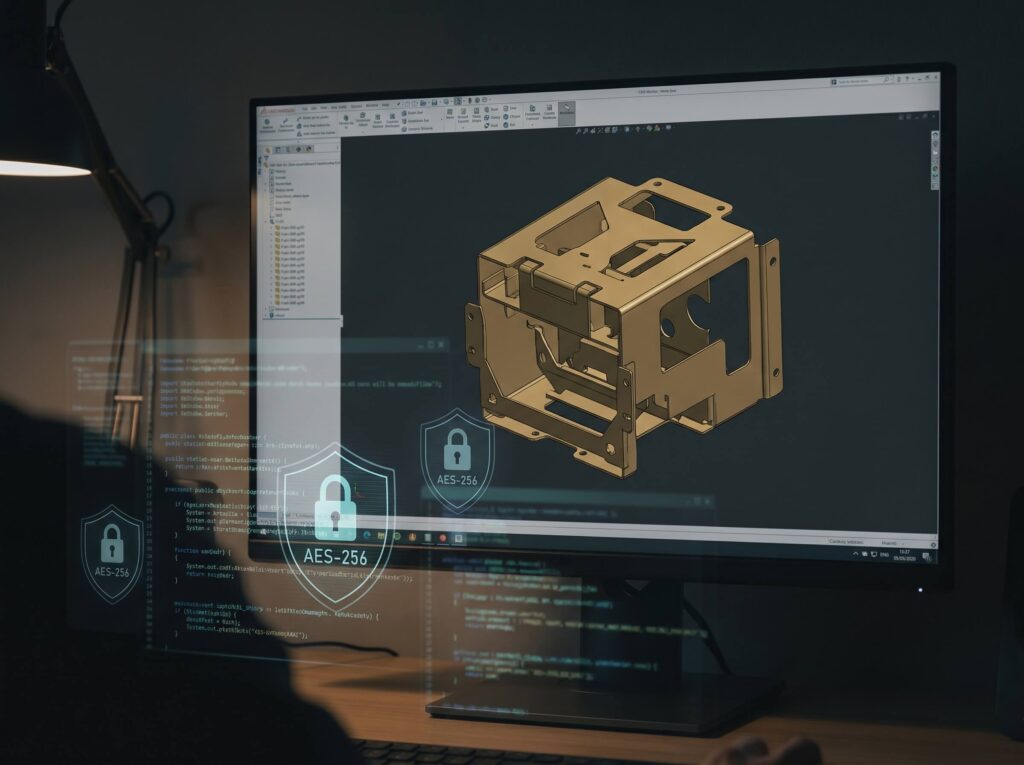
  • Наше решение: Absolute confidentiality. All STEP, IGES, and DXF files are uploaded via AES-256 encryption. We immediately execute binding Non-Disclosure Agreements (NDAs) before you even send the drawing. Your geometric data is strictly siloed and accessible only to our lead engineers.
Secure CAD file handling with AES-256 encryption for brass parts

Brass Surface Treatments

Bare brass oxidizes. Left untreated in normal atmospheric conditions, it tarnishes and develops a green patina. To maximize brass sheet metal corrosion resistance properties, whether your part requires precise electrical conductivity, wear resistance, or architectural aesthetics, we apply engineering-grade finishes.

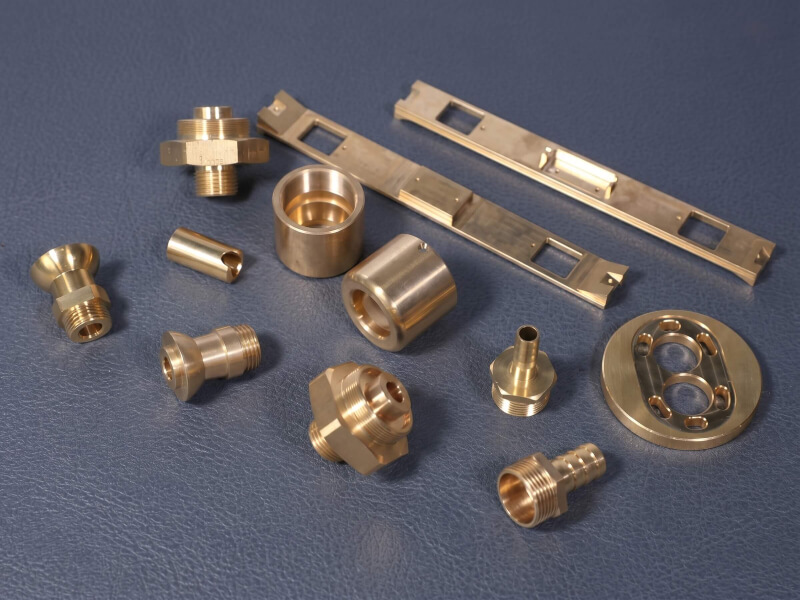
As-machined brass fabrication parts

As-Machined / Bare Brass

  • Характеристики: Delivered clean, degreased, and free of heavy tool marks. Standard surface roughness held strictly to Ra 3.2 µm (125 µin) or better.
  • Лучшее для: Internal brackets, structural shims, and components where natural patina is acceptable or secondary finishing will be done in-house.
Passivated brass architectural panels with clear coating

Chemical Passivation & Clear Coating

  • Характеристики: Immersion in specialized passivating acids followed by industrial-grade clear lacquers or polymer coatings. This process seals the micropores of the brass.
  • Лучшее для: Architectural panels, marine hardware, and cosmetic housings that require the “raw brass look” without the risk of tarnishing or fingerprint oxidation over time.
Mirror-like electropolished brass surface finish comparison

Электрополировка

  • Характеристики: An electrochemical process that removes microscopic peaks from the brass surface, dropping the roughness average down to Ra 0.4 µm (16 µin).
  • Лучшее для: Reducing surface friction in moving mechanisms, sealing the structural surface to resist corrosion, and achieving a mirror-like finish without mechanical buffing compounds.
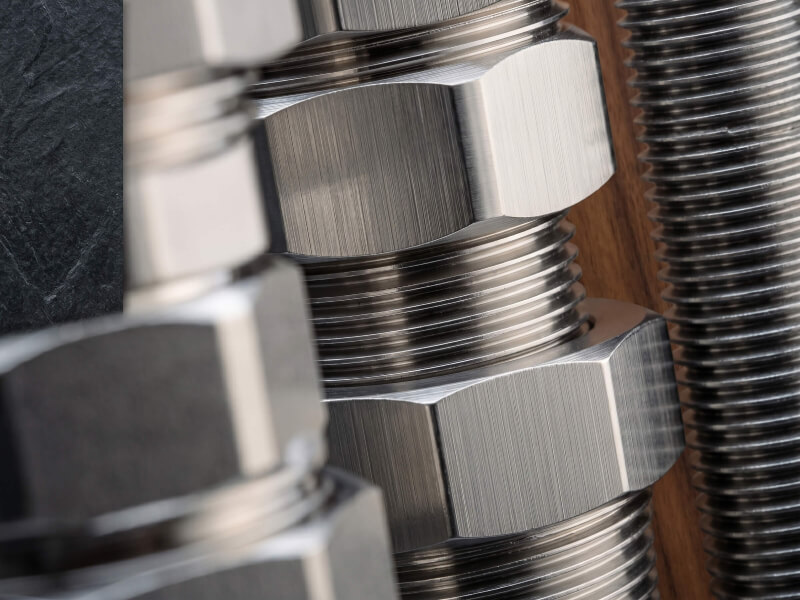
Nickel-plated brass fittings for corrosion resistance

Electroplating: Nickel & Tin

  • Electroless/Electrolytic Nickel: Applies a hard, corrosion-resistant barrier that also prevents galvanic corrosion when brass is mated to aluminum or steel.
  • Оловянное покрытие: Crucial for electrical/electronic components, providing exceptional joint integrity and solderability while shielding the brass substrate from atmospheric moisture.

Certified Brass Quality Assurance

We do not rely on vague quality pledges. We rely on metrology and documented material science. A delayed сборочная линия costs you thousands per hour. Here is how we guarantee every precision brass fabrication component meets your exact geometric tolerances and metallurgical specs before it leaves our dock.

100% Material Traceability (MTRs Provided)

  • Counterfeit or recycled scrap brass contains impurities that ruin tool life and cause premature fracturing.
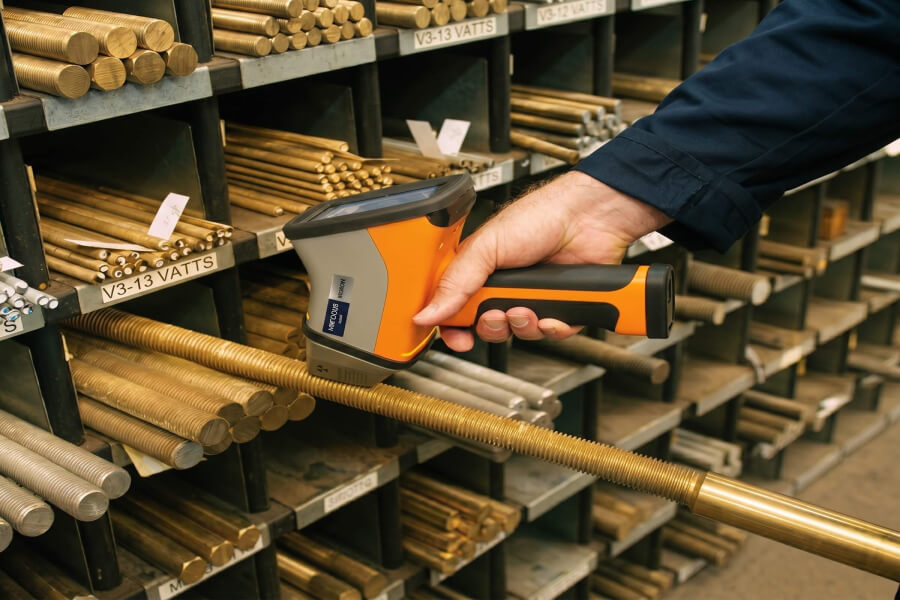
  • Our Standard: Every production shipment is accompanied by a Material Test Report (MTR), verifying the exact Copper/Zinc (Cu/Zn) chemical composition and mechanical yield strength of the raw sheet metal.
PMI testing for brass material traceability and purity
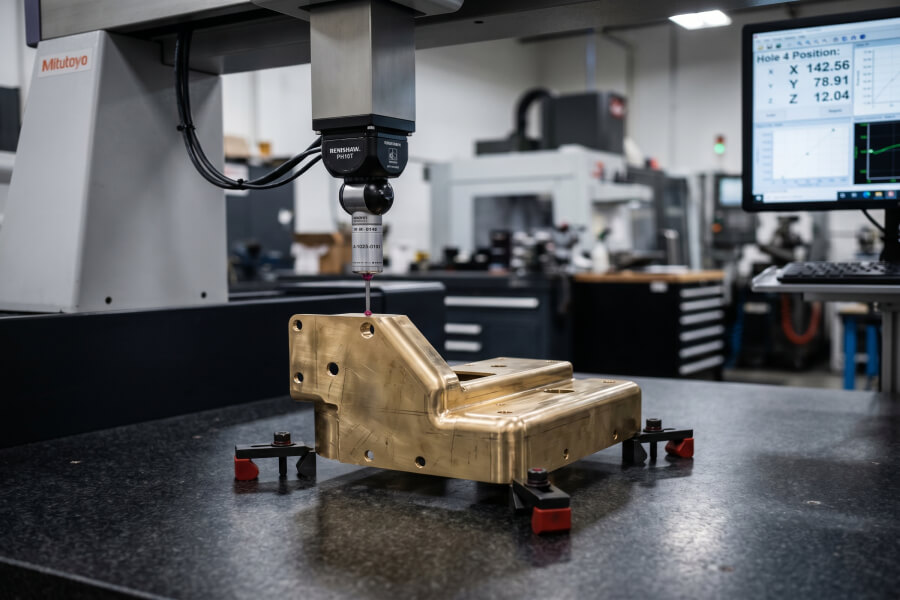
CMM inspection for brass First Article Inspection (FAI) report

First Article Inspection (FAI)

  • We do not blind-run production batches.
  • Our Standard: Comprehensive FAI reports (formatted to AS9102 standards if required) are available for your engineering team to sign off on before we initiate any high-volume штамповка, резка, или гибка.

Advanced Metrology & Vision Systems

  • For 2D Flat Patterns: Automated Optical Comparators (Vision Systems) instantly scan laser-cut outer profiles and hole diametrical tolerances against your CAD data, eliminating human measurement error.
  • For 3D Formed Geometries: Coordinate Measuring Machines (CMM) are used to verify multi-axis bend angles, hole-to-hole true position, and flatness on complex brass enclosures or brackets.
Digital CMM inspection for precision brass sheet metal parts

Scaling Your Brass Costs

Brass is a premium raw material. We don’t hide our pricing logic behind sales calls. Whether you need an initial run of 5 functional prototypes or a blanket order of 50,000 stamped enclosures, here is exactly how your unit economics are structured.

Brass prototyping and low-volume custom fabrication inspection

Prototyping & Low-Volume Runs

  • MOQ: Strictly No Minimum Order Quantity.
  • Cost Structure: Your primary cost here is NRE (Non-Recurring Engineering). This coversCAM programming, laser setup, and calibrating custom press-brake tooling to account for brass springback. Unit prices are higher, but upfront tooling risk is zero.
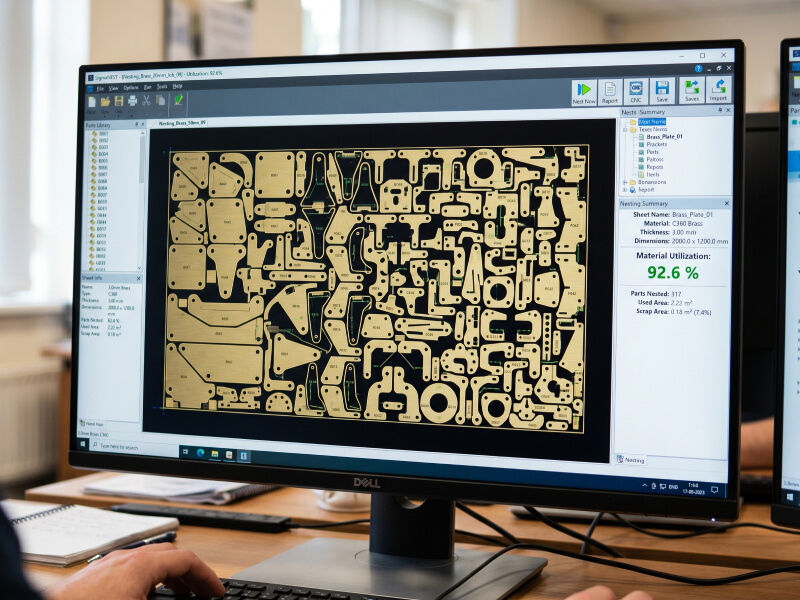
Advanced CADCAM nesting software for brass material optimization

Mid-Volume Production

  • Cost Structure: NRE costs are fully amortized (absorbed). Because laser technology requires no physical stamping dies, your unit price drops sharply.
  • Brass Optimization: At this stage, our engineering team uses advanced nesting software (CAD/CAM Nesting) to tightly pack your flat patterns onto the brass sheet, drastically reducing material waste and lowering your per-piece cost.
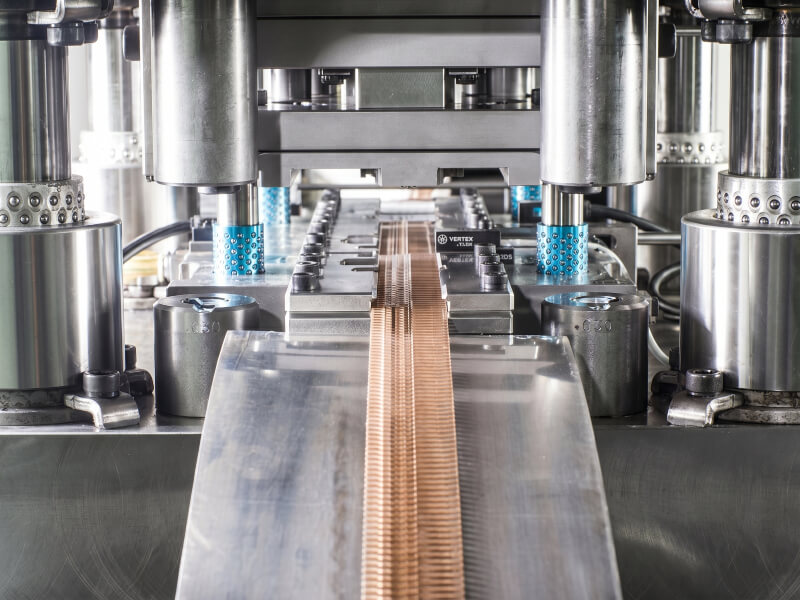
High-speed progressive die stamping for mass production of brass parts

High-Volume & Blanket Orders

  • Cost Structure: Hard tooling (stamping dies) may be recommended if the geometry allows, substituting slower laser/brake time for high-speed mechanical stamping.
  • Supply Chain Benefit: Pricing is locked in based on bulk raw material purchasing directly from brass mills. We offer localized inventory holding and scheduled releases (Kanban/JIT) to optimize your cash flow.

Stop Paying for Your Supplier’s Brass Learning Curve.

Processing copper alloys requires specialized laser parameters and tooling to prevent springback, edge dross, and rapid oxidation. We’ve already solved the thermal and mechanical failures that cause general job shops to scrap parts and miss your assembly deadlines. From durable brass sheet metal parts for marine use to C36000 electrical contacts, we deliver on spec and on time.

Часто задаваемые вопросы

Before you upload your CAD file, you likely have granular engineering or supply chain concerns. We don’t hide behind sales reps. Below are direct, technical answers regarding heavy-plate laser dross, transit oxidation, and RoHS compliance.

Can you laser cut 6.0mm thick brass without severe edge burrs or dross?

Yes. Standard CO2 lasers struggle with 6mm brass due to extreme heat reflectivity, which leaves heavy dross (melted slag) on the bottom edge. We solve this by using high-wattage Fiber Lasers paired with high-pressure Nitrogen (N2) assist gas. The fiber laser easily penetrates the reflective surface, while the N2 gas instantly evacuates molten material and cools the cut-zone. The result is a clean, dross-free edge that rarely requires secondary mechanical deburring.

A dimensionally perfect part is useless if it arrives scratched or tarnished. We do not use loose bulk-bin packaging for cosmetic brass. Flat surfaces are protected with low-tack peel-off films. Components are then nested in custom die-cut polyurethane foam so they never touch each other. Finally, the entire batch is vacuum-sealed with active desiccants to completely block atmospheric moisture and prevent transit oxidation (the green patina).

Absolutely. While traditional free-machining brass (like C36000) utilizes Lead (Pb) for chip control, it violates RoHS/REACH directives. We stock and machine strictly compliant lead-free alternatives, such as Eco-Brass, low-lead Bismuth alloys, and pure C27400/C28000. Simply specify “RoHS” on your RFQ, and we will include the certifying Отчеты об испытаниях материалов (MTR) confirming the alloy chemistry with your shipment.

Your Design is Ready. Let’s Cut the Brass.

Send your STEP, IGES, or DXF files today. You will not fall into a generic sales inbox. Our manufacturing engineers will personally analyze your geometry for bend radii cracking risks, evaluate your tolerances, and return a free DFM review alongside a comprehensive quote within 24 hours.

Whatsapp

+86 13392819510

Адрес

Здание 1, №8, Вторая улица, город Хуанцзян,
Город Дунгуань, провинция Гуандун

Социальные сети

Пожалуйста, включите JavaScript в вашем браузере, чтобы заполнить эту форму.
Щелкните или перетащите файлы в эту область для загрузки. Вы можете загрузить до 3 файлов.
Прокрутить к верху

Давайте поговорим о вашем проекте