






Frequently Asked Questions
Before handing over your CAD files for high-value copper components, you need absolute certainty. Here are straightforward, engineer-to-engineer answers regarding our material inventory, custom tooling fees, and packaging protocols.
Do you stock copper material, or do we need to supply the raw sheets?
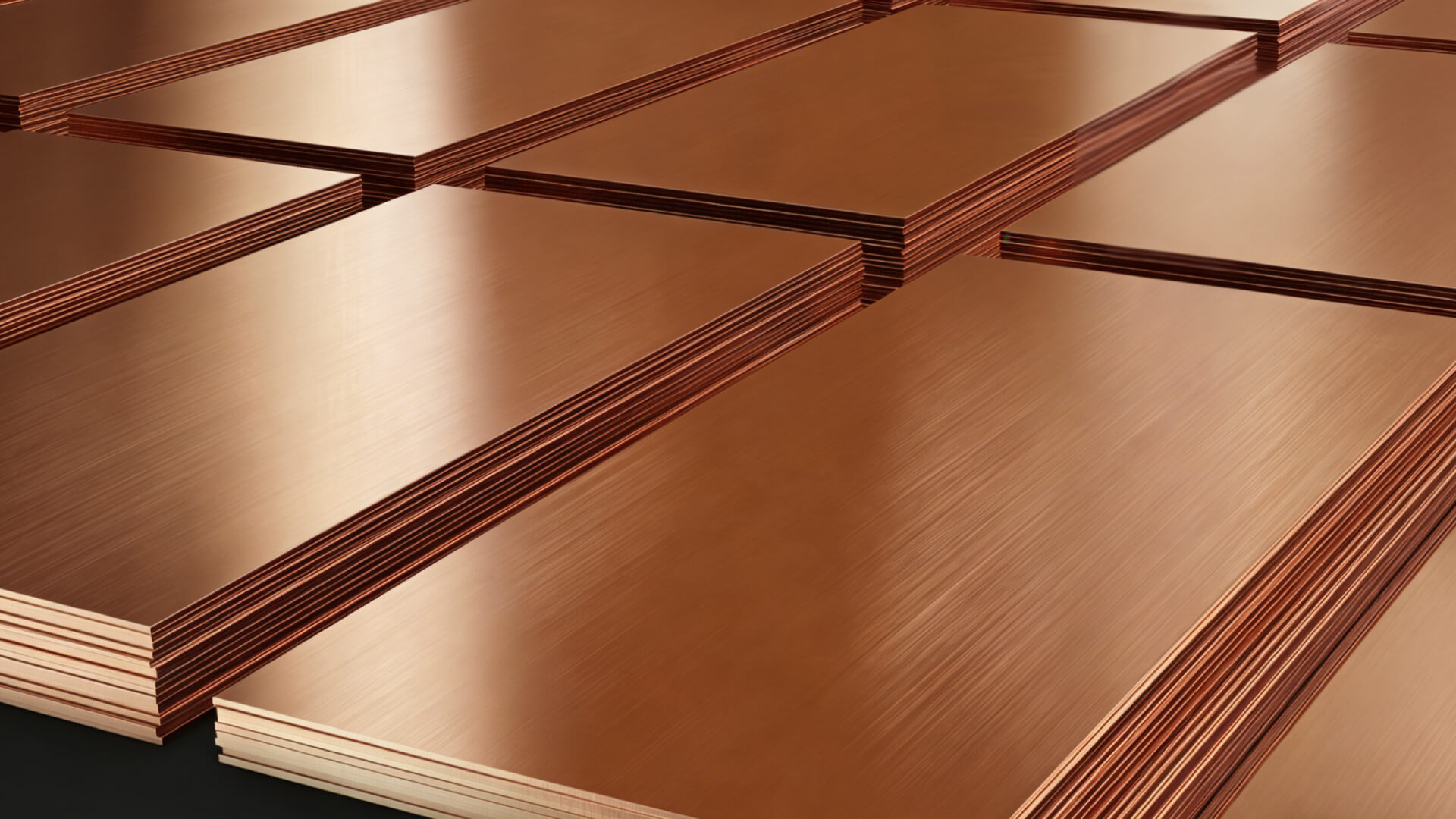
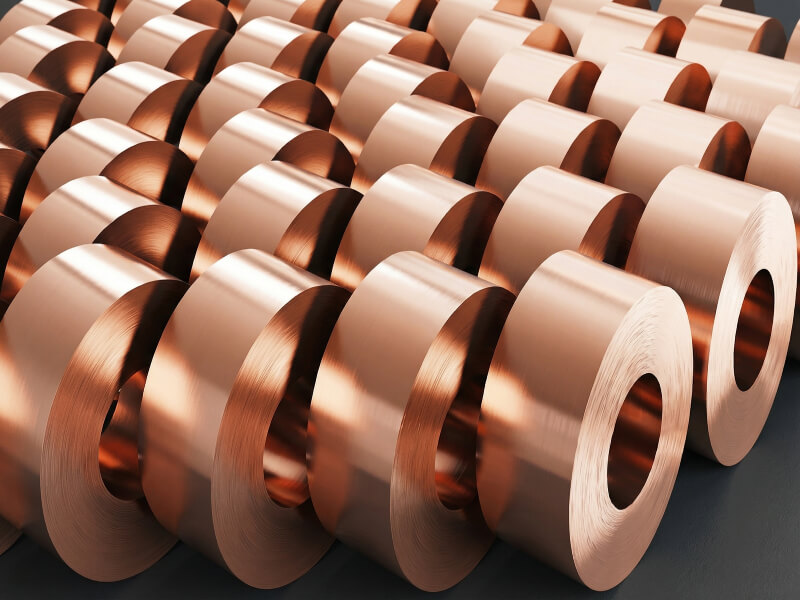
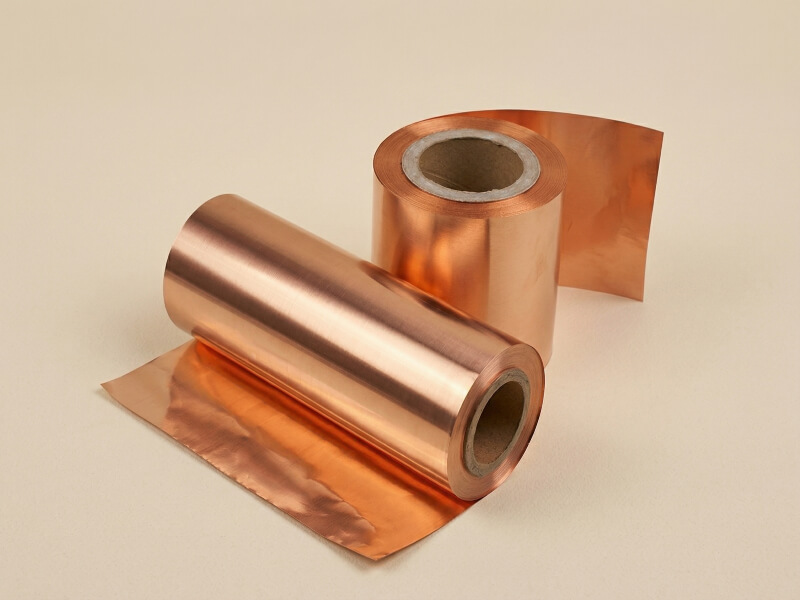
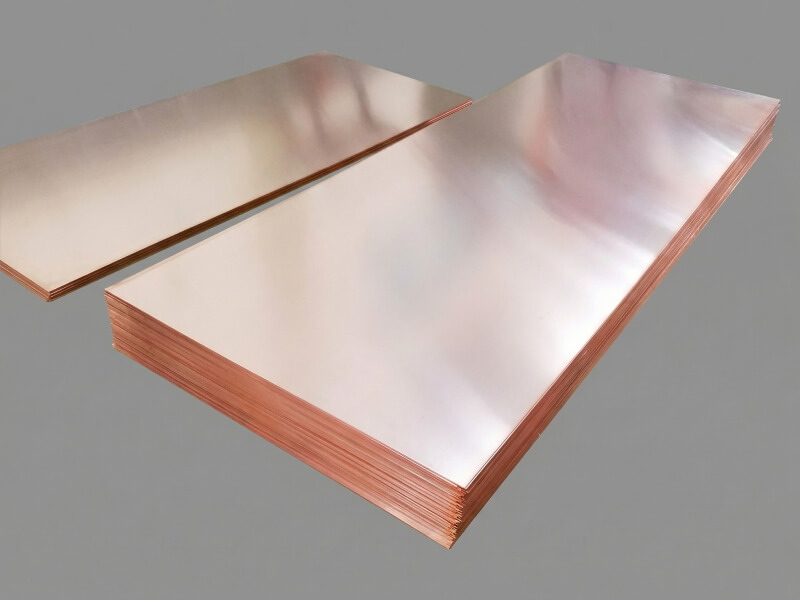
We manage the entire supply chain to eliminate delays. We maintain a deep, in-house inventory of standard C110 ETP and C101 OFE copper in various thicknesses and tempers (specifically H02 and H04). For highly specialized grades or exotic tempers, our established mill relationships ensure rapid sourcing with full Material Test Report (MTR) traceability.
What is the maximum thickness you can laser cut copper while maintaining ±0.005” tolerances?
Our high-power Fiber Lasers are optimized to cleanly cut copper up to 0.250” (1/4 inch) thick without severe dross or the need for secondary edge milling. For materials thicker than 0.250” or geometries where thermal distortion is a concern, we utilize precision waterjet cutting or CNC punching to maintain strict dimensional accuracy.
Are there custom tooling charges (NRE) required for bending copper busbars?
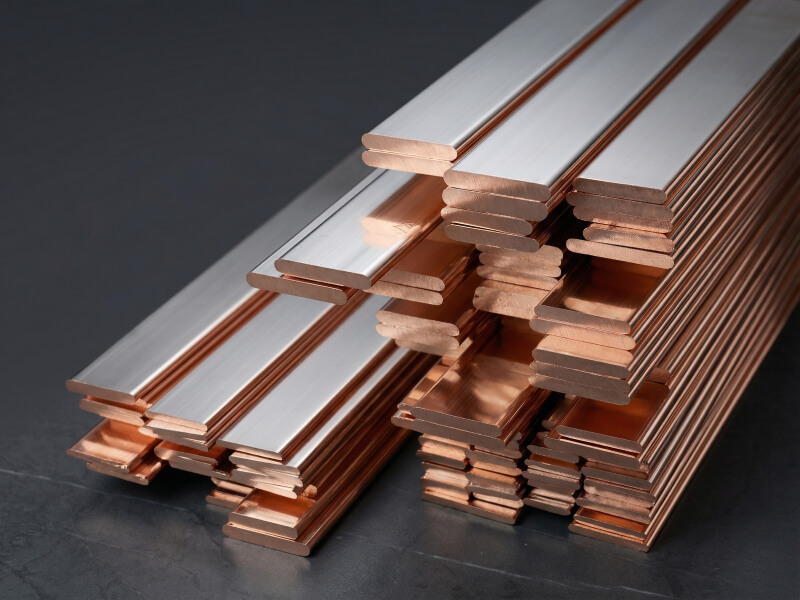
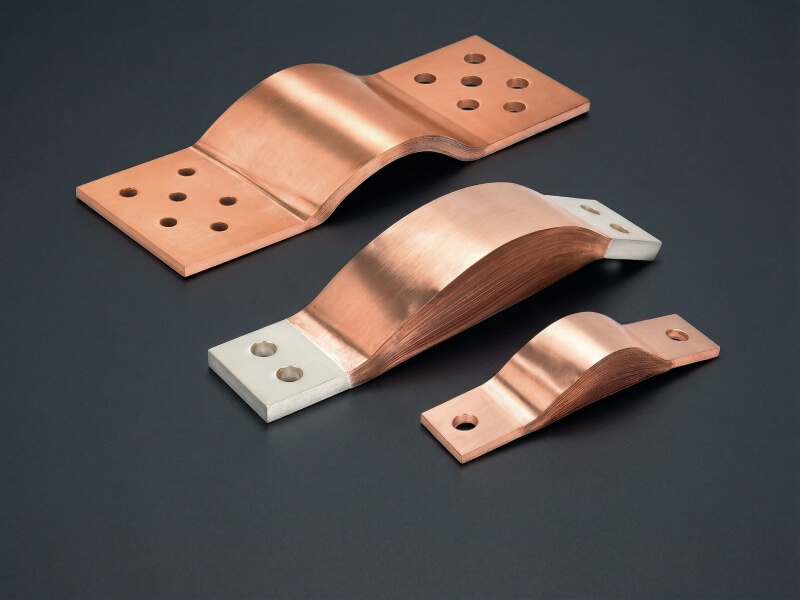
In 95% of standard busbar and enclosure projects, no. We have heavily invested in a massive in-house library of standard press brake tooling, including specialized urethane bottom dies that form copper without leaving V-die marks. Non-Recurring Engineering (NRE) or tooling fees are typically only required for highly complex deep-drawing, progressive stamping, or custom extrusion profiles.
Copper is soft and oxidizes quickly. How do you package parts for shipping to prevent damage?
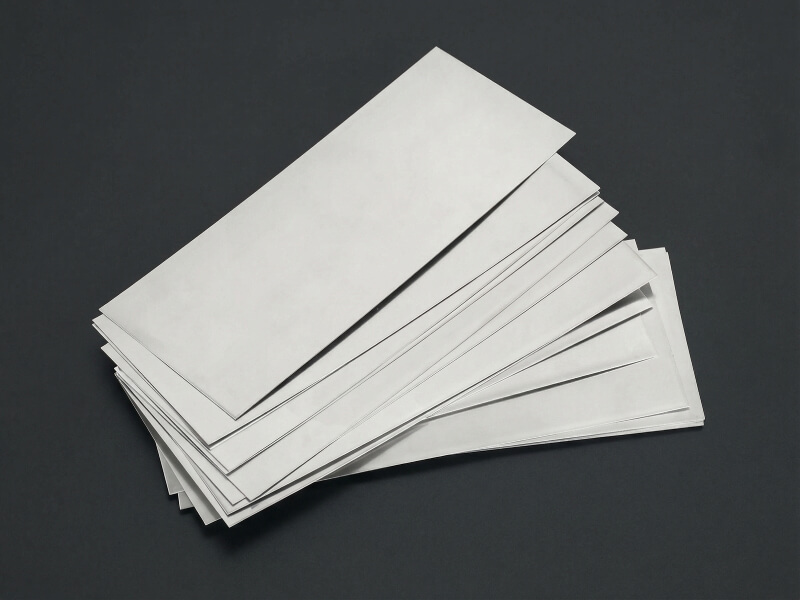
We treat completed bare copper components like surgical instruments. Parts are handled with gloves, wrapped in Volatile Corrosion Inhibitor (VCI) anti-tarnish paper, and vacuum-sealed if necessary. Depending on the geometry, we use custom foam dunnage or partitioned cellular packaging to ensure parts do not collide, dent, or scratch during transit to your facility.
Do you accept low-volume prototype orders, or do you only handle high-volume production?
We do both. We routinely run low-volume prototypes (1 to 50 pieces) to help engineers validate complex bend geometries, thermal performance, and plating specifications. Once the First Article is approved, we seamlessly transition your project into cost-effective, high-volume CNC manufacturing.
