Plastic 3D Printing
Precision additive manufacturing and plastic 3D printing service engineered for complex geometries, rapid functional prototypes, and bridge production runs.
Plastic 3D Printing Capability Matrix
Select the optimal additive manufacturing process from ShincoFab’s industrial fleet based on your mechanical requirements, surface finish needs, and production volume.
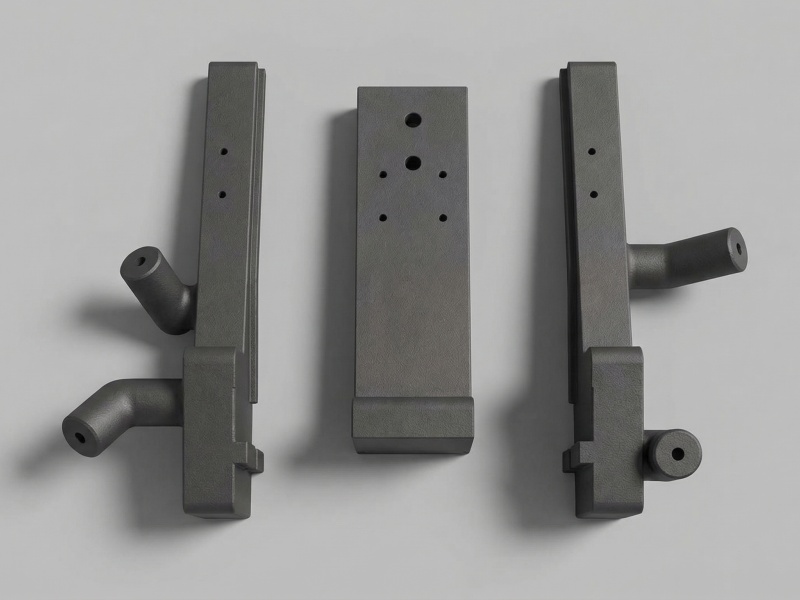
Multi Jet Fusion (MJF) & Selective Laser Sintering (SLS)
- Best For: Functional testing, snap-fits, living hinges, and low-volume batch production without tooling costs.
- Key Specs: Industrial powder bed fusion delivering near-isotropic mechanical properties (Z-axis strength matches X/Y). Powered by HP Jet Fusion and EOS Polymer Systems.
- Core Materials: Engineering-grade PA11, PA12 Nylon, and Glass-Filled (GF) variants.
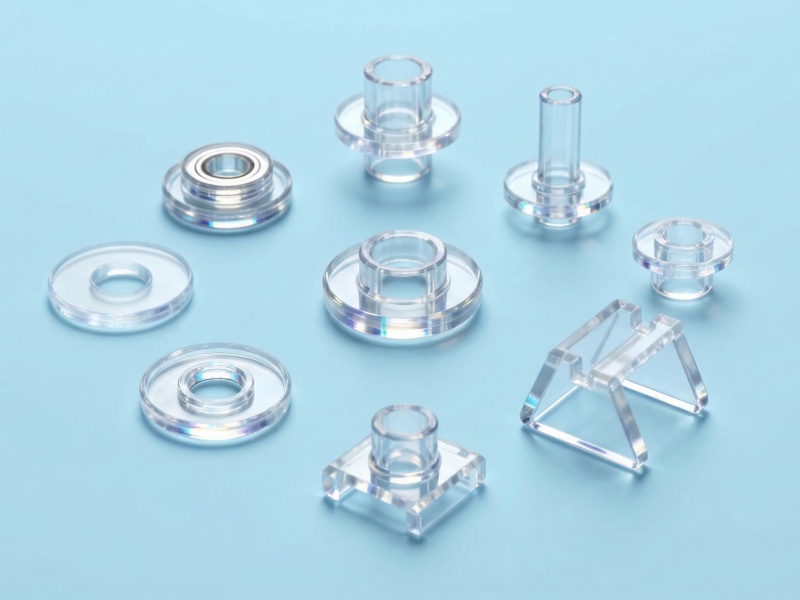
Stereolithography (SLA)
- Best For: Micro-fluidics, optically clear parts, investment casting patterns, and models requiring an injection-mold-like finish.
- Key Specs: Offers the highest resolution and tightest dimensional tolerances of any polymer 3D printing process.
- Core Materials: Standard photopolymer resins, Clear resins, High-Temp resins, and Castable wax.
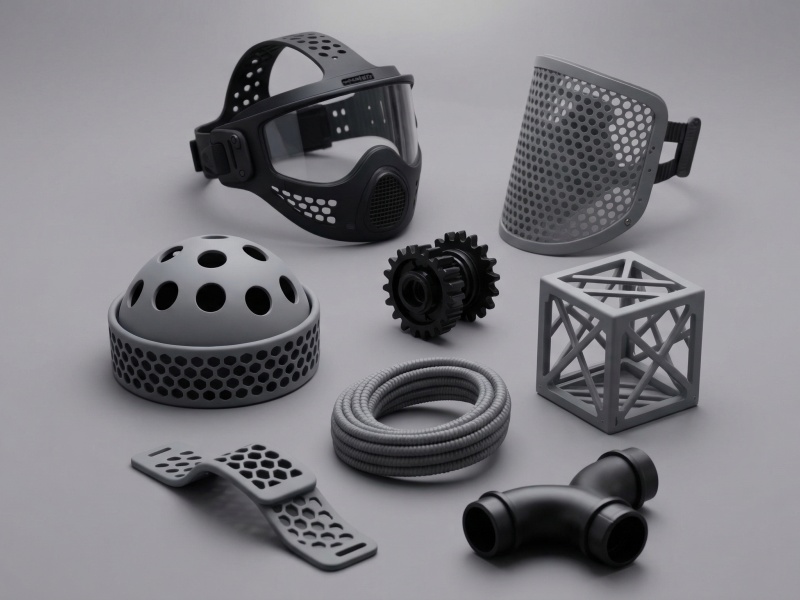
Fused Deposition Modeling (FDM)
- Best For: Large structural housings, basic manufacturing jigs/fixtures, and applications requiring high-performance thermoplastics.
- Key Specs: Largest build volume capacities. Most cost-effective for bulky, less intricate parts.
- Core Materials: ABS, ASA, PC (Polycarbonate), Ultem™ 9085, and PEEK.
| Technology | Standard Tolerance | Min. Wall Thickness | Surface Finish | Typical Turnaround |
|---|---|---|---|---|
| MJF | ±0.3% (Lower limit ±0.2 mm) | 0.6 mm (0.024 in) | ~6-10 µm (Matte / Slightly porous) | 3 - 5 Days |
| SLS | ±0.3% (Lower limit ±0.2 mm) | 0.8 mm (0.031 in) | ~10-30 µm (Matte / Grainy) | 3 - 5 Days |
| SLA | ±0.15% (Lower limit ±0.05 mm) | 0.5 - 0.8 mm (0.02 - 0.03 in) | ~1-2 µm (Smooth / Glass-like) | 2 - 4 Days |
| FDM | ±0.5% (Lower limit ±0.5 mm) | 1.0 mm (0.040 in) | >10 µm (Visible layer lines) | 1 - 3 Days |
Engineering-Grade Polymer Selection
From standard form-and-fit prototyping to end-use aerospace components, ShincoFab stocks over 30 certified industrial polymers. Select your material based on thermal, mechanical, and chemical requirements.
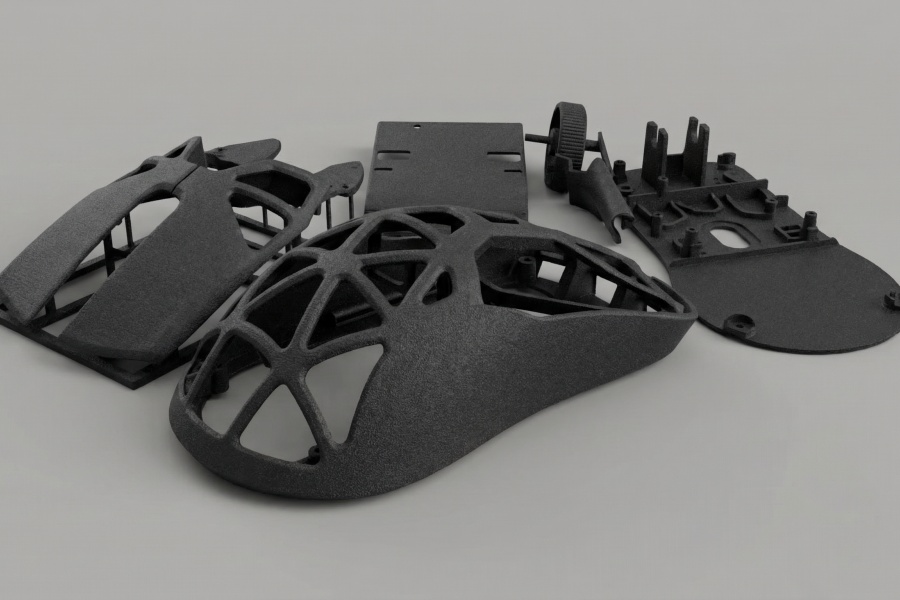
Rigid Thermoplastics
- PA12 & PA11 Nylon: Excellent fatigue and chemical resistance. Ideal for functional prototypes, snap-fits, and durable end-use parts.
- Glass-Filled (GF) Nylon: Enhanced stiffness and higher Heat Deflection Temperature (HDT) for load-bearing structural components.
- ABS, ASA & PETG: Reliable, cost-effective options for general-purpose prototyping, form/fit testing, and UV-resistant outdoor housings (ASA).
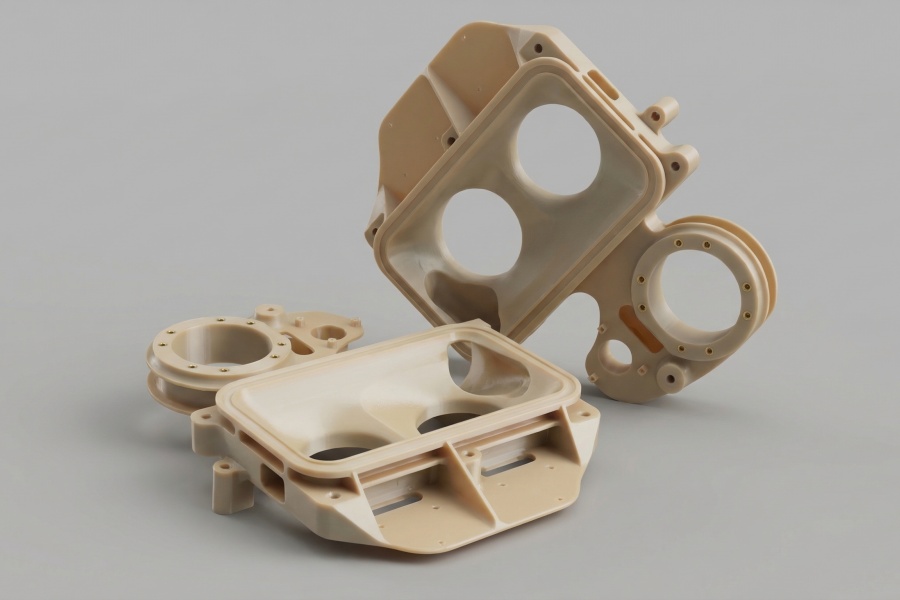
High-Performance & Specialty Polymers
- ULTEM™ 9085 & ULTEM™ 1010: Flame-retardant thermoplastics with extreme heat resistance (HDT > 200°C) and high strength-to-weight ratio. Certified UL94 V-0. Essential for aerospace, automotive under-hood, and electronic enclosures.
- PEEK: Outstanding chemical resistance and mechanical strength at high temperatures. Often used as a lightweight replacement for machined metal parts.
- Polycarbonate (PC): High impact strength and toughness (FDM), or engineered for optical clarity (SLA).
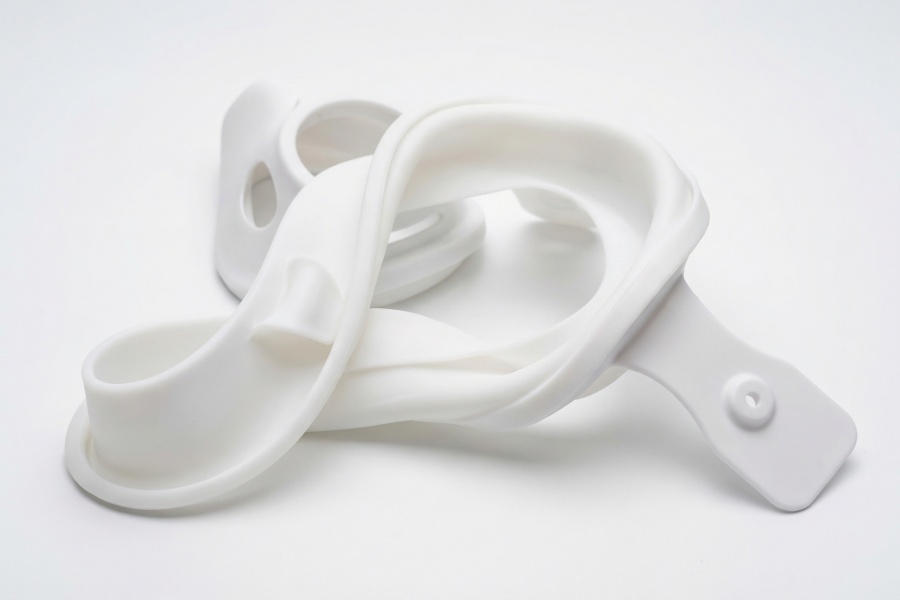
Elastomers & Flexible Materials
TPU & TPE (Shore 30A to 95A): Highly resilient tear-resistant flexible polymers. Perfectly suited for custom gaskets, fluid seals, vibration dampening components, and simulating overmolded grips.
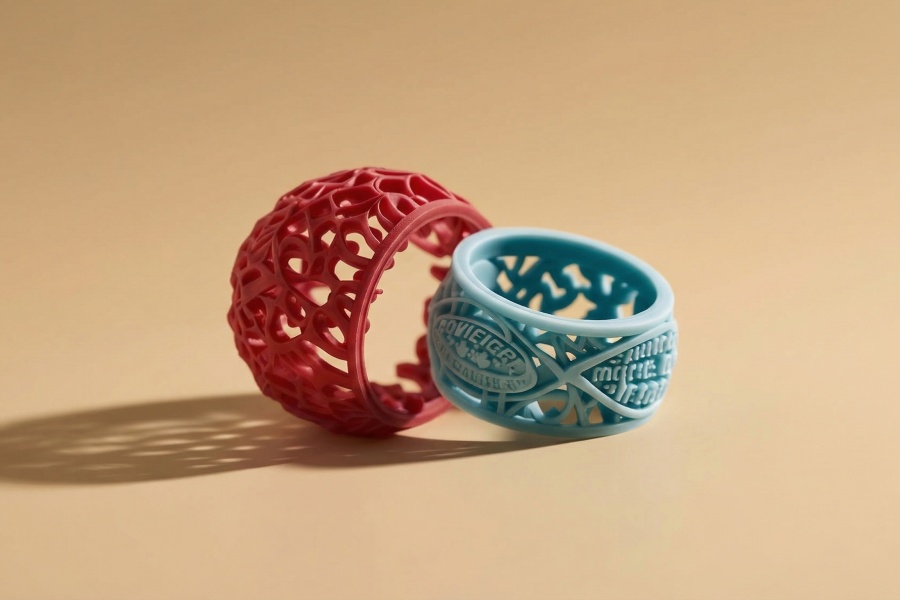
Advanced Photopolymer Resins (SLA)
- High-Temp Resins: Formulated to withstand molding temperatures; ideal for rapid tooling and injection mold inserts.
- Clear/Transparent Resins: Polishable to optical transparency for fluidic flow models, lighting covers, and lenses.
- Bio-compatible & Dental: ISO 10993 certified materials for medical device prototyping and skin-contact applications.
Design for Additive Manufacturing (DFAM)
Optimize your CAD models for printability, structural integrity, and cost-efficiency. Adhering to these baseline DFM guidelines prevents build failures, reduces material costs, and eliminates quoting delays.
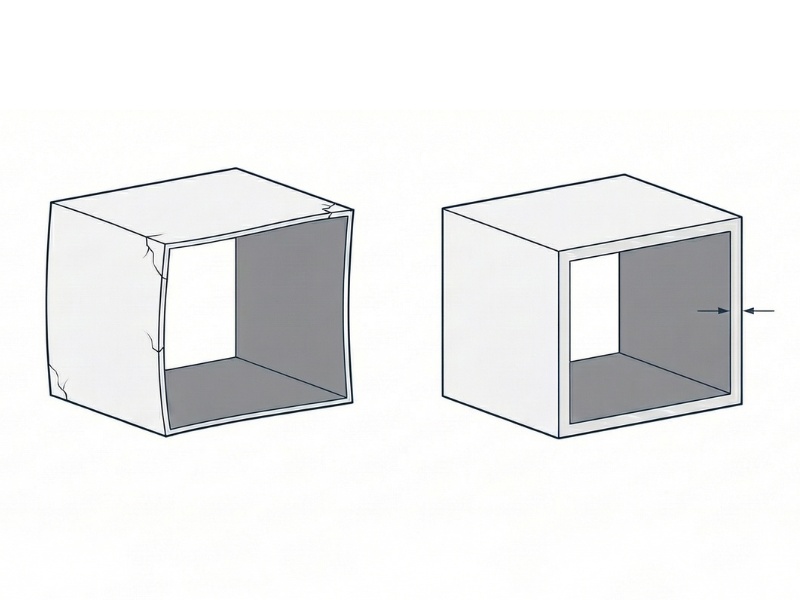
Minimum Wall Thickness
- Guideline: 0.8 mm (0.031 in) recommended baseline.
- Why it matters: Walls thinner than 0.8mm (especially on FDM and SLS) risk warping during the cooling phase or fracturing during post-processing and powder removal. (Note: SLA can achieve 0.3mm for non-load-bearing micro-structures).
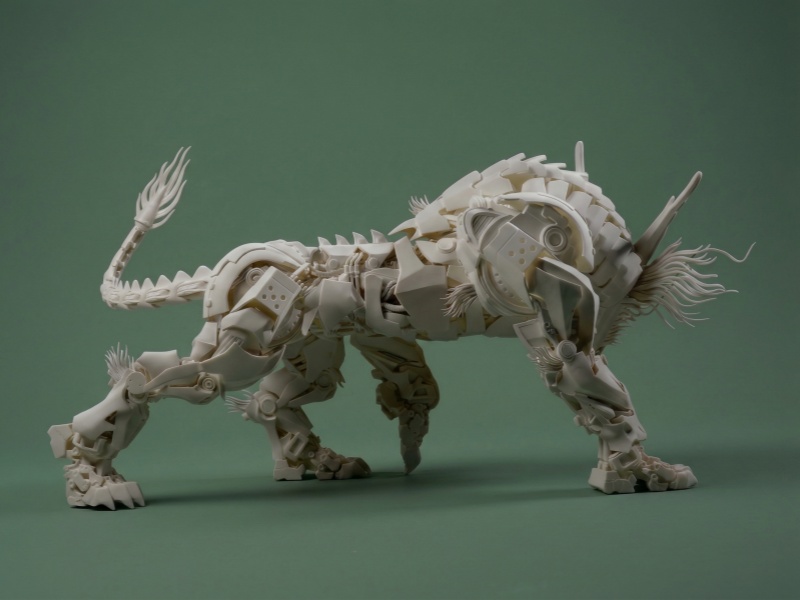
Minimum Feature Size
- Guideline: 0.5 mm (0.020 in).
- Why it matters: Ensures positive features (like pins, embossed text, or fine ridges) resolve cleanly without snapping off during support removal.
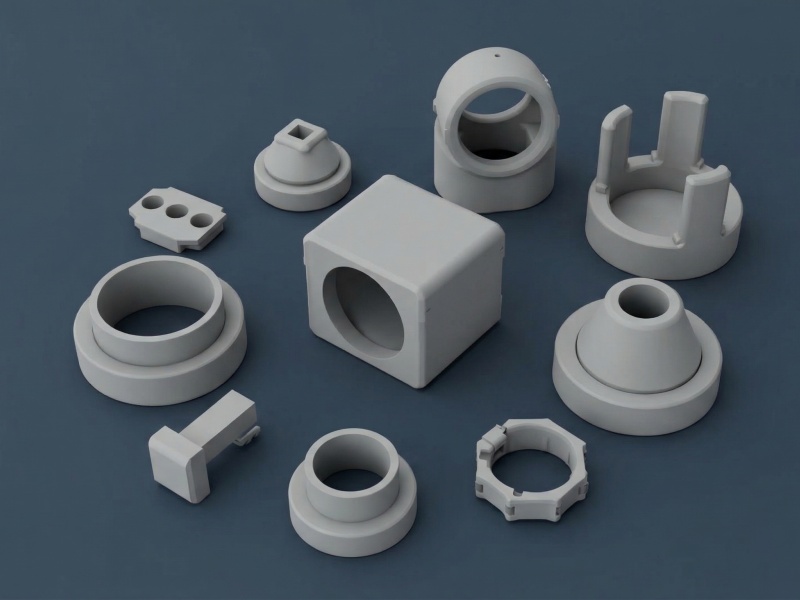
Clearances for Moving Assemblies
- Guideline: Minimum 0.3 mm (0.012 in) gap.
- Why it matters: Critical for print-in-place mechanisms (e.g., hinges, interlocking gears) using MJF or SLS. Gaps smaller than 0.3mm may fuse solid during the thermal fusion process.
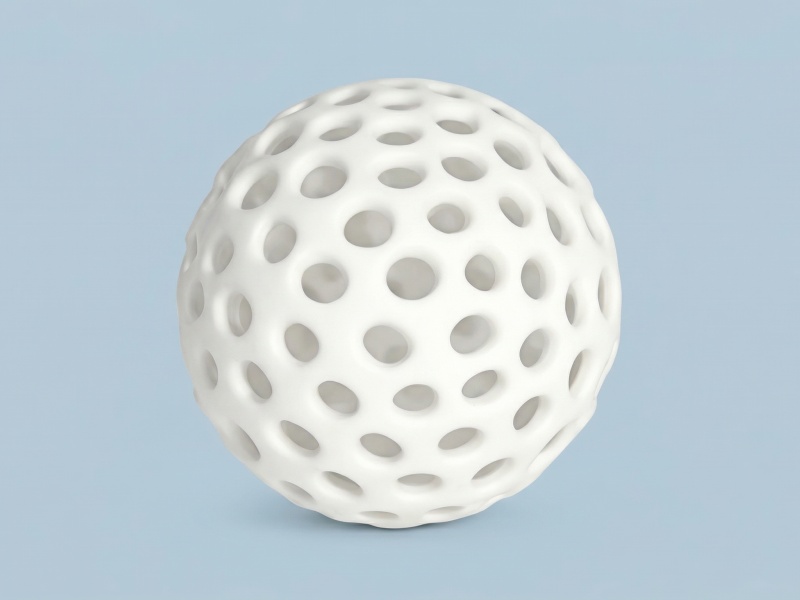
Hollowing & Escape Holes
- Guideline: Minimum hole diameter of 2.0 mm (0.080 in); at least two holes per hollowed section.
- Why it matters: Hollowing thick parts drastically reduces material cost and weight. Escape holes are strictly required to evacuate unsintered powder (MJF/SLS) or uncured liquid resin (SLA) from internal cavities.
Maximum Monolithic Build Volumes
Need a part larger than our max build volume? Our engineers utilize advanced structural interlocking and industrial bonding to assemble oversized components.
| Technology | Industrial System | Maximum Build Volume (X × Y × Z) |
|---|---|---|
| FDM | Stratasys Fortus 900mc (Class) | 914 × 610 × 914 mm (36 × 24 × 36 in) |
| MJF | HP Jet Fusion 5200 Series | 380 × 284 × 380 mm (15 × 11.2 × 15 in) |
| SLS | EOS Formiga P 396 (Class) | 340 × 340 × 600 mm (13.4 × 13.4 × 23.6 in) |
| SLA | Large-Format Industrial SLA | 800 × 800 × 500 mm (31.5 × 31.5 × 19.7 in) |
Production-Grade Post-Processing
A 3D printed part is only half-finished when it leaves the build chamber. Our comprehensive finishing services remove porosity, unify aesthetics, and integrate functional hardware, delivering components ready for immediate assembly.
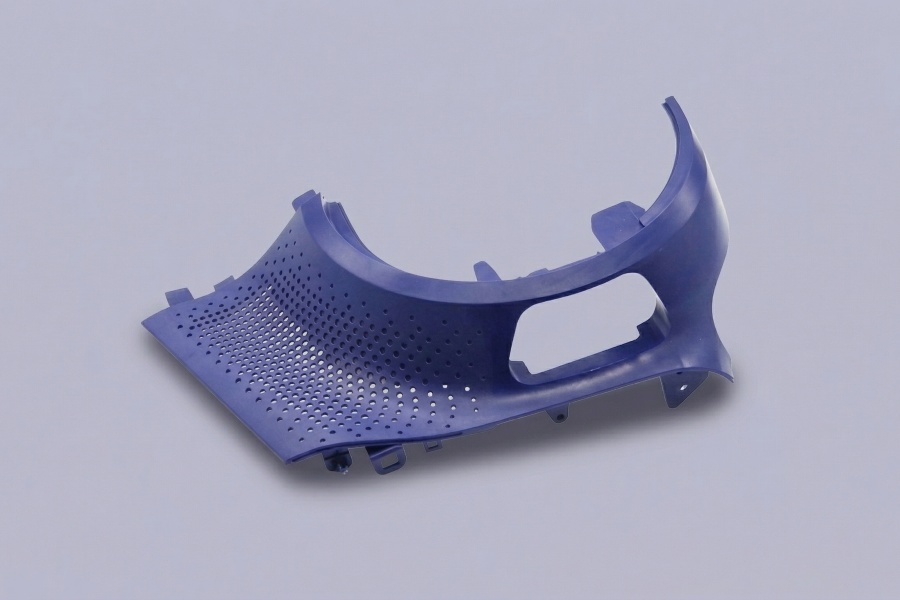
Standard Finishing
- Support & Powder Removal: Precision depowdering (MJF/SLS) and manual/chemical support structure removal (SLA/FDM) without compromising dimensional accuracy.
- Media Blasting (Bead Blasting): Standard abrasive blasting using fine glass beads to remove residual surface artifacts, resulting in a uniform, non-reflective matte finish.
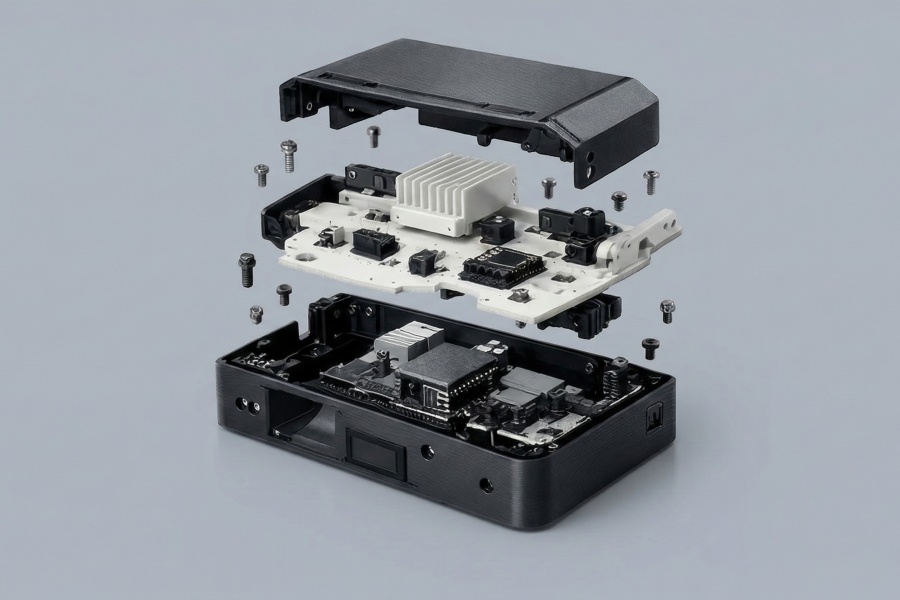
Advanced Finishing & Assembly
- Vapor Smoothing (Chemical Vapor Processing): Highly recommended for MJF and SLS parts. A controlled chemical vapor melts the microscopic outer layer. The Result: Seals surface porosity, renders the part watertight/gastight, and achieves a smooth, injection-mold-like aesthetic while slightly improving elongation at break.
- Dyeing & Painting: Standardized black dyeing for MJF parts to eliminate the natural “grey/mottled” raw appearance, ensuring cosmetic consistency across batch runs. Automotive-grade painting available for SLA.
- Hardware Installation (Assembly): We deliver ready-to-use mechanical components. Precision thermal installation of brass heat-set inserts and CNC insertion of stainless steel Helicoils® for load-bearing, repeatable threaded connections.
Verified Quality & Traceability
We don’t just print parts; we validate them. From secure CAD ingestion to final dimensional inspection, our ISO certified facility operates under strict industrial compliance to guarantee repeatable, audit-ready components.
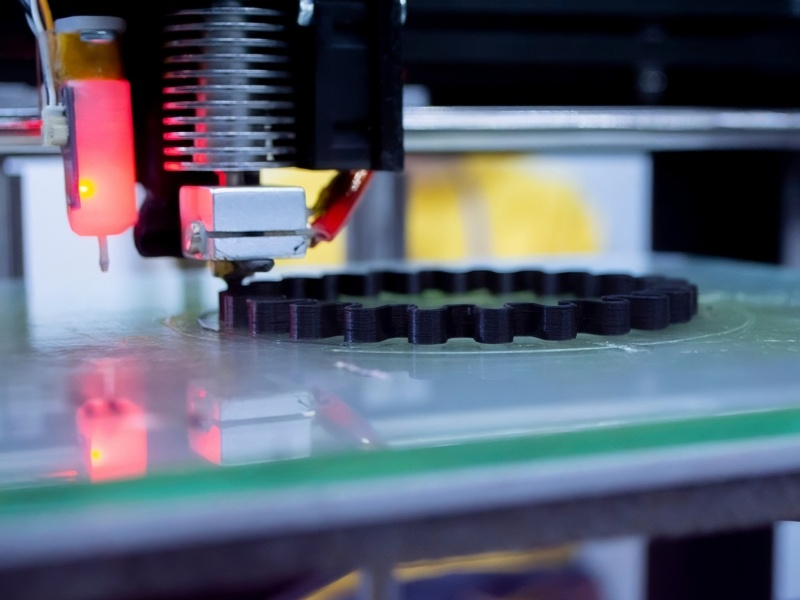
ISO 9001:2015 Certified QMS
Our entire production floor, from material staging to post-processing, is governed by a documented, audited Quality Management System. You get the same result on part #1 as you do on part #10,000.
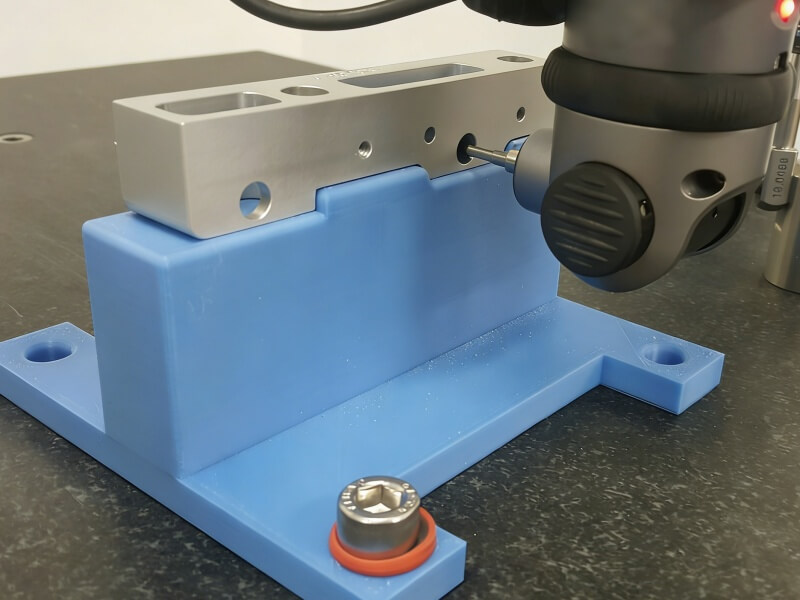
Dimensional Inspection & FAI
- We verify critical tolerances using automated Optical Scanning and CMM (Coordinate Measuring Machine) equipment.
- Available upon request: Full First Article Inspection (FAI) reports and standard dimensional verification reports for your GD&T requirements.
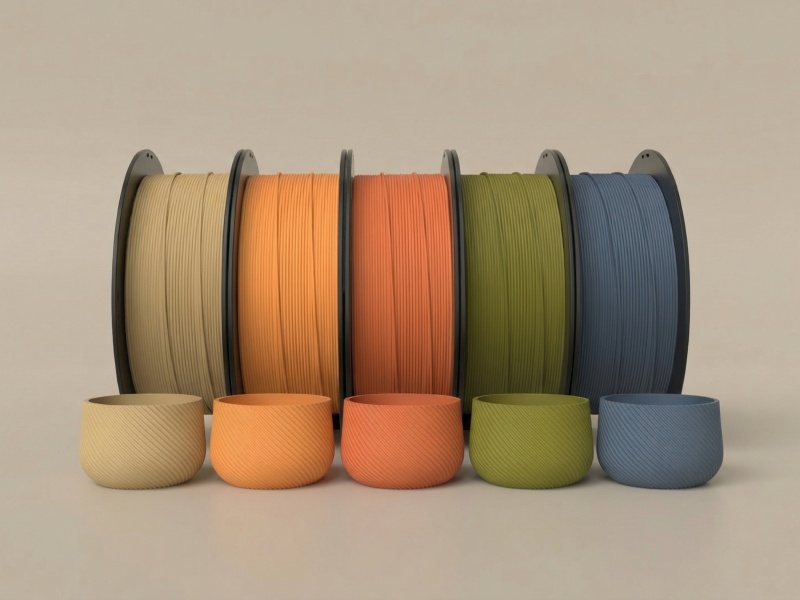
End-to-End Material Traceability
Industrial applications require proof of chemistry. We provide a Certificate of Conformance (CoC) with lot tracking for all resin and powder batches, ensuring your parts meet aerospace, automotive, or medical regulatory standards.
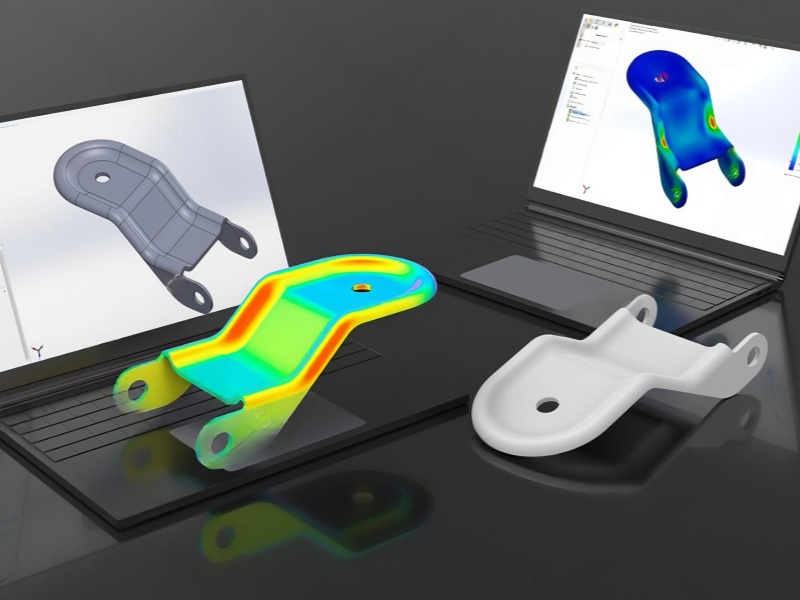
Strict IP Protection & Confidentiality
Your pre-release CAD data is your most valuable asset. We operate on secure, encrypted servers and comply with strict Non-Disclosure Agreements (NDAs) before you even upload a file.
Additive vs. Traditional Manufacturing
We don’t replace injection molding or CNC machining, we outmaneuver them where they are weakest. Evaluate your project against these operational realities to determine if industrial 3D printing is the more profitable and faster route.
Plastic 3D Printing vs. Injection Molding
- Zero Upfront Tooling Costs: Eliminate the $10,000 to $50,000 capital expenditure required to cut P20 steel or aluminum molds.
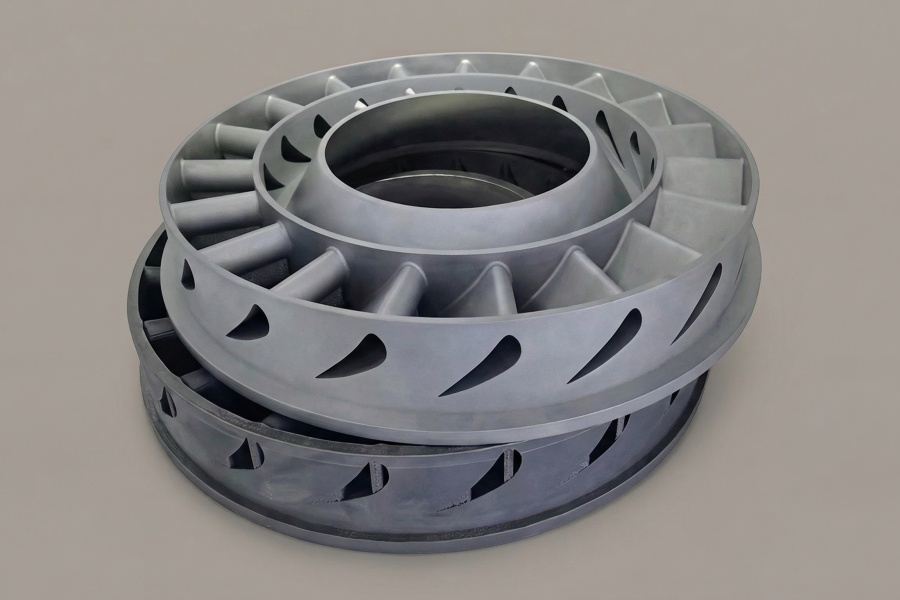
- Bridge Production: Need to launch immediately? Use MJF or SLS to manufacture your first 500 to 2,000 end-use units in days. Start generating revenue and validating market fit while your permanent steel molds are still being machined overseas.
- Risk-Free Iteration: If a design flaw is found in unit #50, simply update the CAD file for unit #51. No expensive tooling modification fees or welding required.
Plastic 3D Printing vs. CNC Machining
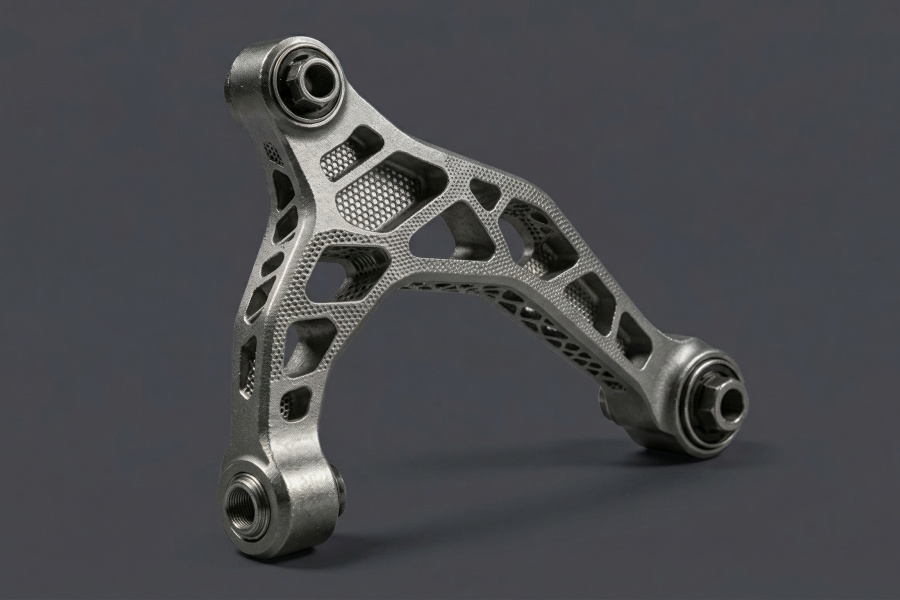
- Complexity is Free: In CNC milling, every undercut, internal pocket, or non-standard angle adds CAM programming and fixturing time. In powder-bed 3D printing, a complex honeycomb costs the same—or less—than a solid block, because you only pay for the material fused.
- Impossible Geometries: Print internal conformal cooling channels, enclosed micro-fluidic routing, and weight-saving topological optimization (lattice structures) that a spinning end-mill physically cannot reach.
- Part Consolidation: Stop machining five separate components and bolting them together. Consolidate them into a single, monolithic 3D printed part to eliminate assembly labor and reduce failure points.
Optimizing for Plastic 3D Printing? Get a Free DFM Analysis.
We respect your time. Here are the unvarnished operational facts regarding our lead times, technical capabilities, and data requirements.
Frequently Asked Questions
We respect your time. Here are the unvarnished operational facts regarding our lead times, technical capabilities, and data requirements.
What is your actual turnaround time for plastic 3D printed parts?
Standard production lead time is 3 to 4 business days from PO (Purchase Order) and DFM approval. For critical NPI (New Product Introduction) or line-down situations, our expedited service ships in 24 to 48 hours.
Note: Advanced post-processing (like vapor smoothing or automotive painting) typically adds 1-2 days to the schedule.
Can you hold tight tolerances (±0.1mm) on large, thick-walled ABS parts?
We’ll be brutally honest: No. Large ABS components printed via FDM are inherently susceptible to thermal warping and Z-axis shrinkage during the cooling phase. While our industrial Stratasys machines utilize actively heated build chambers to minimize this, holding a blanket ±0.1mm across a 300mm+ cross-section in ABS violates the physics of the material.
Our Solution: If your large part requires strict dimensional stability, our DFM engineers will flag it immediately and recommend switching to a powder-bed process like MJF PA12 (Nylon), or utilizing a stiffer composite like Carbon-Fiber filled thermoplastic. We don’t promise what the physics can’t deliver.
What CAD file formats do you accept for quoting and production?
We strongly prefer native solid models. .STEP (.STP) is our gold standard. Unlike .STL files (which are simply tessellated mesh surfaces that lose exact curves), a .STEP file retains true parametric geometry.
We also accept .IGES, .X_T (Parasolid), and native SolidWorks/AutoCAD files. While we can use high-resolution .STL files for a quick visual quote, a solid model is strictly required if your part needs threaded heat-set inserts, tight tolerance CMM verification, or CNC post-machining.
Upload CAD for Your Plastic 3D Printing Project
Skip the sales pitch. Send your native CAD files directly to our engineering team. All submissions are protected by 256-bit encryption and processed under strict NDA. Expect a comprehensive DFM analysis and an exact pricing matrix within 24 hours.
