


Frequently Asked Questions
Everything you need to know about our fabrication process. Clear details on lead times, material selection, and how we transition you from prototyping to high-volume production.
What coplanarity tolerances can you hold for SMT shields?
This is critical for SMT reflow. We typically maintain a coplanarity flatness of 0.08mm to 0.10mm (depending on size) to ensure 100% reliable solder joints. We perform automated optical inspection to verify flatness before packaging.
Can you achieve seamless corners for high-frequency isolation?
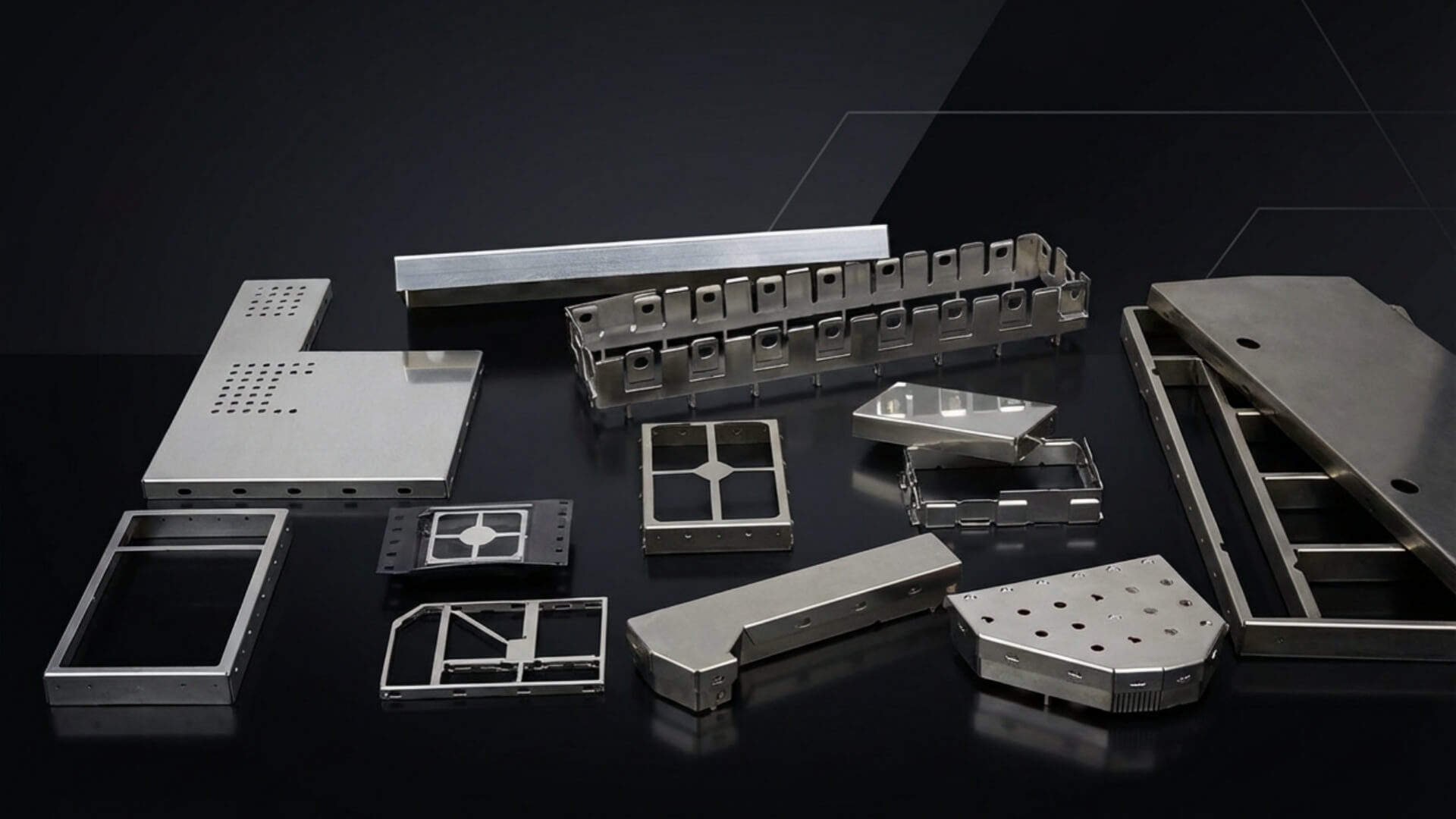
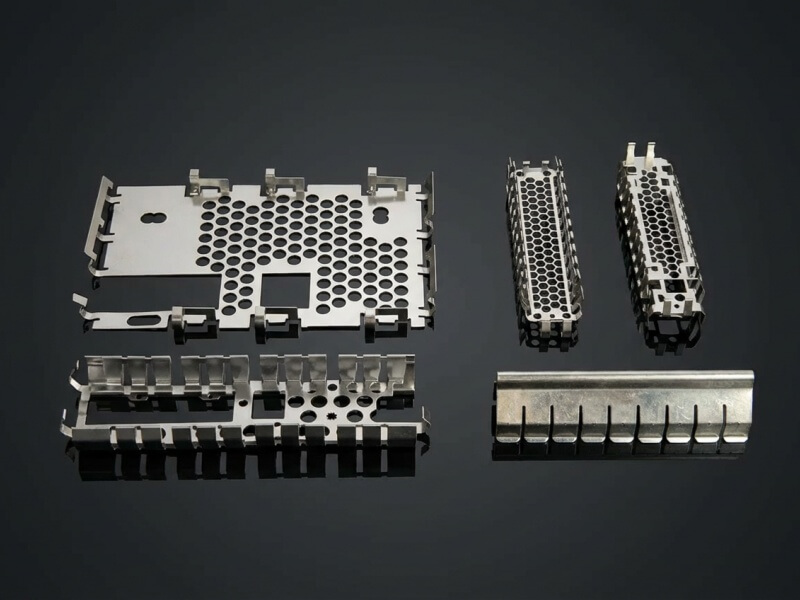
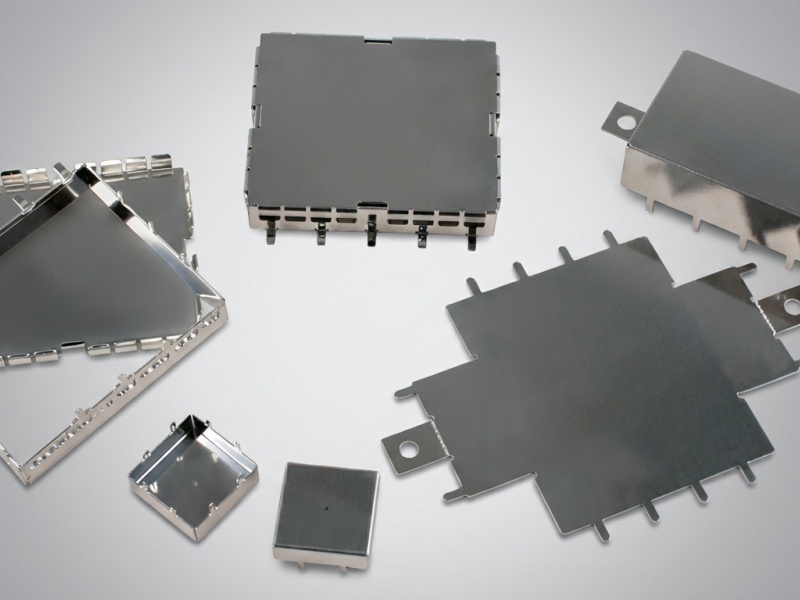
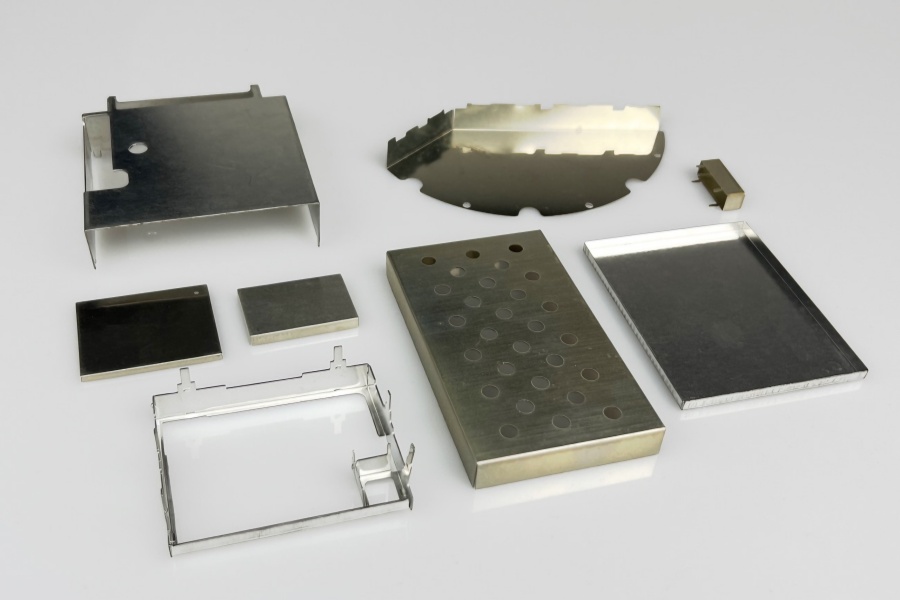
Yes. For high-frequency applications where corner leakage is a concern, we produce deep drawn shields that are naturally seamless. We can also weld or solder the corners of standard folded shields to ensure a continuous RF seal.
How do you handle packaging for automated assembly lines?
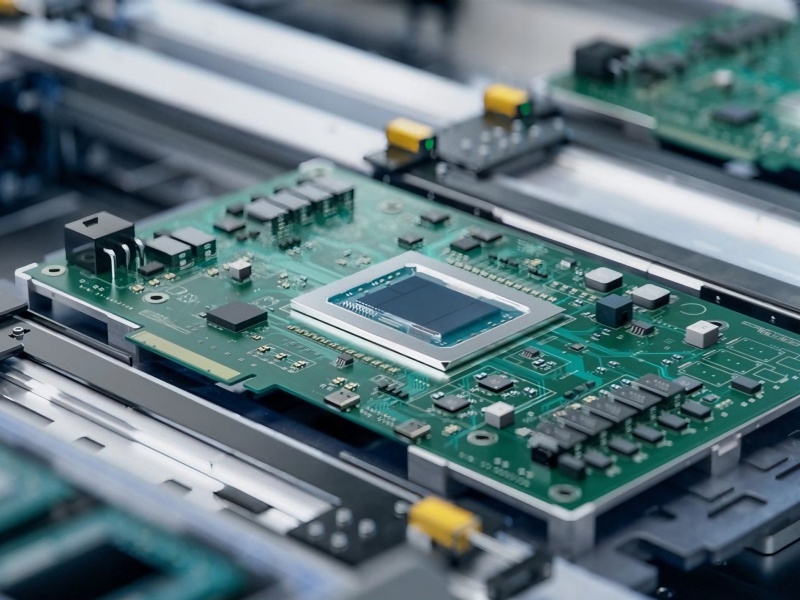
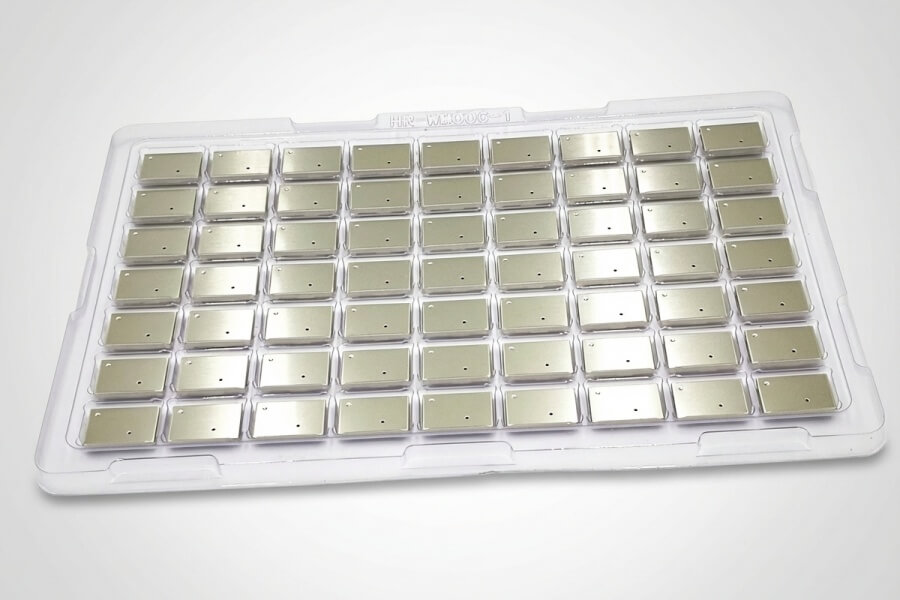
We don’t just ship in bags. For volume production, we deliver SMT shields in EIA-481 compliant Tape & Reel packaging, ready for immediate loading onto your pick-and-place machines. Trays are also available for larger or odd-shaped parts.
What file formats do you need to generate a quote?
We can work with STEP / STP 3D models, DXF / DWG 2D drawings, or even Gerber files from your PCB layout. If you only have a rough sketch, our engineering team can help convert it into a manufacturable CAD model.
Is custom shielding expensive? How do you handle tooling costs?*
Custom production does not mean high upfront costs. We scale the manufacturing method to match your budget and stage of development.
- For Prototypes: We use Photo Etching or Laser Cutting. These methods require zero or minimal tooling investment, allowing you to test designs without financial risk.
- For High Volume: We transition to progressive die stamping. While this involves hard tooling, it drastically lowers your per-unit price. You only invest in the tool when your production volume justifies the savings.
What is your standard lead time for prototypes vs. production?**
- Prototypes: Typically 3–5 business days using soft tooling methods.
- Mass Production: Typically 2–3 weeks after tooling approval. We also offer expedited services for urgent NPI (New Product Introduction) deadlines.
What are the standard material recommendations for solderability?
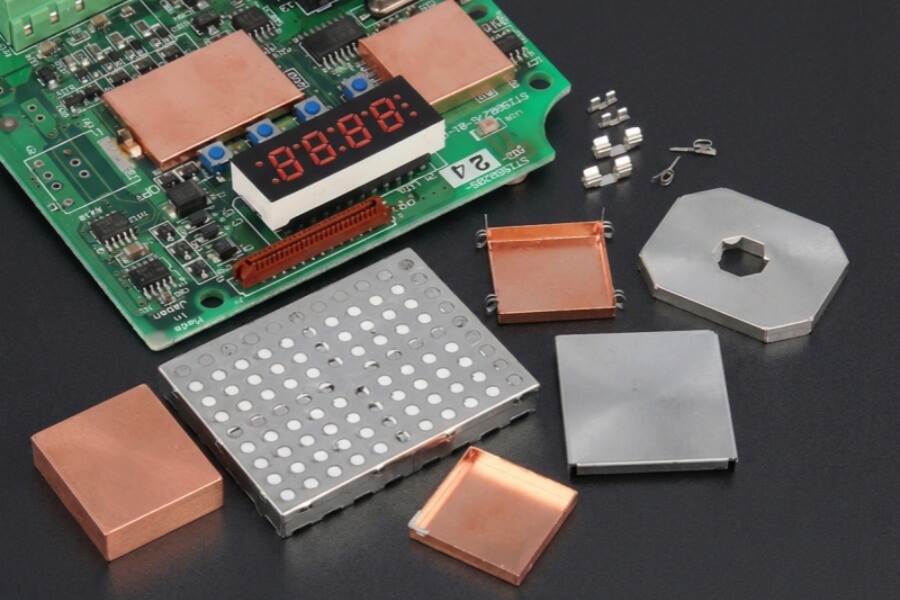
Nickel Silver is our top recommendation for most applications because it is solderable without post-plating and highly corrosion-resistant. We also work with Cold Rolled Steel (CRS) (needs Tin plating), Stainless Steel, and Beryllium Copper for specific spring-contact requirements.
