You’re building an electrical system and you need to move power safely. But now you’re stuck on the busbars.
Copper is the industry gold standard. It is strong and highly conductive, but it cuts deep into your budget. Aluminum saves you a ton of cash and weight, but it requires special care to install correctly.
At ShincoFab, we process tons of copper and aluminum busbars every month. We go beyond the spec sheets to understand the reality on our factory floor. We hear the punch presses striking the metal and witness firsthand how these materials behave under stress.
I’ve seen clients design beautiful copper systems that blew their budget, and I’ve seen aluminum designs that failed because they ignored fabrication tolerances. I’m writing this not just as an engineer, but as the fabricator who has to make your drawing a reality.
In this guide, I’ll strip away the complex engineering jargon. We will look at the real-world costs, performance differences, and installation quirks to help you pick the clear winner for your specific job.
If you don’t have time to read the whole guide, start with this quick decision matrix.
The Quick Answer (Cheat Sheet)
If you are in a rush and just need the bottom line, start here. This breakdown will help you make a decision in about 30 seconds.
Choose Copper If…
- Space is tight. Copper carries more current per square inch than any other option. If your electrical enclosure is cramped, copper is your best friend.
- Conditions are rough. If you are building near the ocean or in a factory with chemical fumes, pick copper. It fights off corrosion naturally and holds up against the elements.
- You want set-it-and-forget-it reliability. Copper is a hard metal. It doesn’t deform or loosen up easily over time. You can tighten the bolts once and sleep well at night.
Choose Aluminum If…
- Budget is your #1 priority. Aluminum raw material costs a fraction of copper. On a large project, this can save you thousands of dollars.
- Weight is a problem. Aluminum is roughly 70% lighter than copper. This is a game-changer for rooftop solar installations or electric vehicles where every pound matters.
- You have plenty of room. Because aluminum conducts less electricity, the busbars need to be bigger (about 50% larger) to do the same job. If your panel has the extra space, this is an easy trade-off.
The Decision Matrix
| Your Priority | The Winner | Why? |
|---|---|---|
| Lowest Cost | Aluminum | Material is 3x cheaper. |
| Saving Space | Copper | Carries more power in a smaller bar. |
| Less Weight | Aluminum | 70% lighter than copper. |
| Harsh Environment | Copper | Resists salt and chemicals naturally. |
| Zero Maintenance | Copper | Won’t loosen or creep over time. |
That covers the basics. But to understand why aluminum needs so much more room or why copper wins on durability, we need to dig into the physics.
The 4 Big Differences That Matter
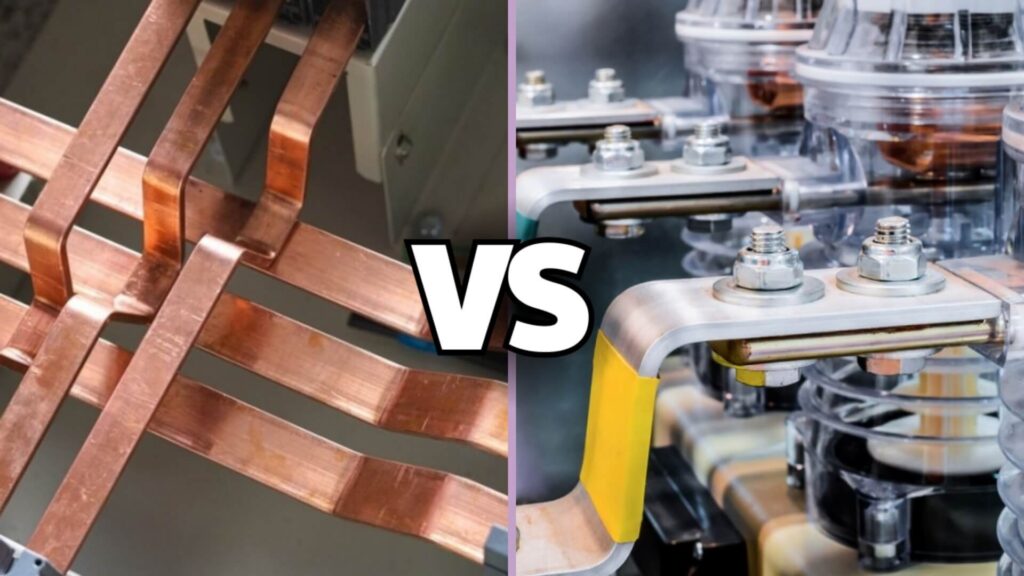
You’ve seen the cheat sheet. Now let’s look at why these metals behave so differently. These four factors will dictate your design.
Space and Size
Copper is the king of efficiency. It carries electrical current better than almost any other metal, setting the benchmark for the International Annealed Copper Standard (IACS). This means you can move a lot of power through a very thin bar.
Aluminum isn’t as efficient. To carry the same amount of power as copper, an aluminum busbar needs to be physically larger. It usually needs to be about 50% to 60% bigger. If you are working in a tight electrical cabinet where every inch counts, copper is the only way to go. Aluminum simply takes up too much room.
Weight and Handling
This is where aluminum wins easily. It is incredibly light, roughly 70% lighter than copper.
Imagine carrying a heavy steel pipe versus a PVC pipe. That is the difference here. One electrician can often lift and install a long run of aluminum busbar by themselves. Because it is so light, it also puts much less stress on your mounting brackets and the ceiling structure.
Strength and Durability
Copper is a hard, dense metal. It can handle vibration from heavy machinery without cracking. When you tighten a bolt onto copper, it holds its shape.
Aluminum is softer. If you aren’t careful, you can actually crush the bar by over-tightening the bolts. The metal can deform or squish under pressure. This softness means you have to be more gentle during installation to avoid damaging the bar.
💡 Real Factory Insight on the Springback Factor
There is a hidden manufacturing detail that most designers miss: Springback.When we bend a copper busbar in our hydraulic press brakes, it stays exactly where we put it. It’s obedient. But aluminum? It’s stubborn. It has a higher ‘springback’ rate, meaning after we bend it to 90 degrees, it tries to spring back to 93 or 94 degrees.
Why does this matter to you? If your design requires complex, tight-tolerance bends to fit inside a crowded cabinet, aluminum is harder to shape with precision. We often have to over-bend aluminum just to get the right angle. If precision is your absolute priority, copper creates a crisper, more accurate part.
Cost (Upfront vs. Long Term)
If you look at the raw price tag on the shelf, aluminum is the clear winner. The material itself is often three times cheaper than copper. For a massive project, that can mean saving thousands of dollars upfront.
The Fabrication Reality Check:
While raw aluminum is cheaper, sometimes the fabrication cost creeps up. Aluminum is softer and has a gummy consistency. When we punch or drill soft grades of aluminum, the metal tends to stick or gall to our tooling more than copper does.
This means we have to perform more maintenance on our tools or run the machines slightly slower to ensure a clean cut. While aluminum is still cheaper overall, remember that you aren’t just paying for metal. You are paying for the machine time too.
But be careful. There is a catch. You might spend those savings elsewhere. Because aluminum bars are bigger, you may need to buy larger, more expensive electrical enclosures to fit them. You also need to factor in the cost of special greases and washers to make the connections safe.
However, the biggest hidden cost isn’t the material itself—it’s the labor. Let’s look at why installing aluminum is much trickier than copper.
Why Installation Is More Than Just Bolting It Together?
You can’t just bolt these bars together and walk away. Especially with aluminum, proper installation is the difference between a system that lasts 20 years and one that fails in 20 minutes.
The Oxidation Problem
Aluminum is tricky. As soon as you expose bare aluminum to air, it oxidizes instantly. You can’t see this reaction because it forms a thin, invisible layer.
The problem? That invisible layer stops electricity cold. It acts like insulation. If you don’t remove it, your connection will overheat.
The Fix: You have to work for it.
- Grab a wire brush and scrub the connection point until it’s shiny.
- Immediately apply an anti-oxidant grease (like Noalox). This goo keeps the oxygen away and ensures the electricity flows freely.
How We Handle This at the Factory:
Actually, we prefer you don’t use a wire brush manually on site if you can avoid it. At ShincoFab, when we fabricate aluminum busbars, we often recommend Tin or Silver Plating immediately after cutting and punching.
Plating seals the aluminum completely. It prevents the insulating oxide layer from ever forming. If you order your aluminum bars pre-plated from the factory, you save your installation crew hours of scrubbing and greasing on the job site. It costs a bit more upfront, but it delivers the reliability of copper.
Copper is much more forgiving. While it does oxidize eventually, it takes a long time, and you don’t need the grease to make a safe connection.
Connecting Different Metals
Never bolt copper directly to aluminum. They are chemical enemies.
If they touch, moisture in the air triggers a galvanic corrosion process. It’s basically a slow-motion battery that eats away at the aluminum. White powder will form at the joint, and the connection will eventually fail.
The Fix: You need a referee.
- Use special bimetallic washers or plates.
- These clever little parts typically have copper on one face and aluminum on the other. They sit between your busbars, keeping the peace so the metals never actually touch each other.
But oxidation isn’t the only invisible threat to your connections. There is a physical phenomenon known as cold flow that loosens bolts while you sleep.
The Cold Flow Risk and Loosening Connections
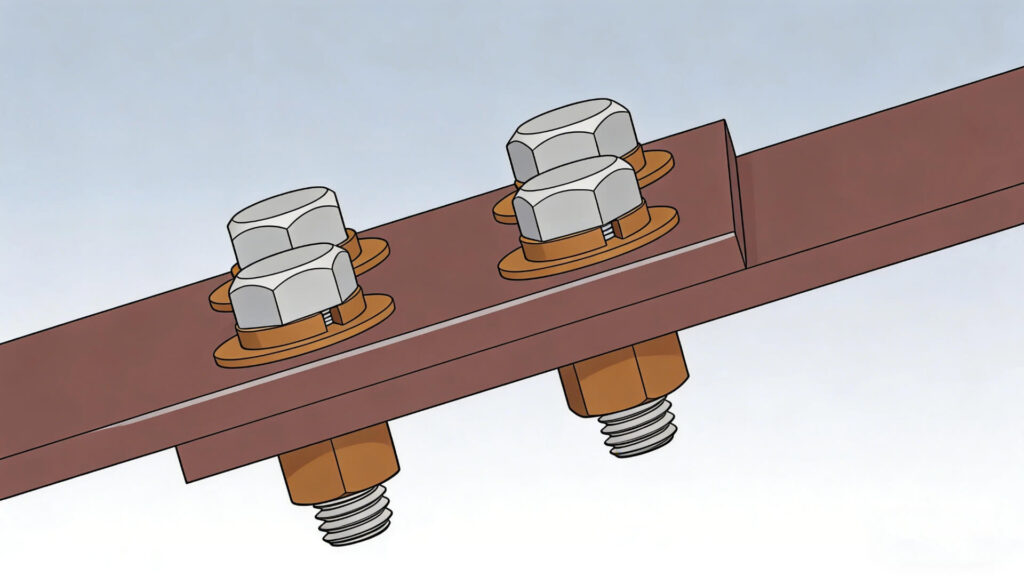
You’ve probably heard about metals expanding when they get hot. But aluminum has a weirder, more dangerous habit called cold flow or creep.
Most people, and even most articles, ignore this.
Here is what happens: When you tighten a bolt onto aluminum, the metal is under intense pressure. Over time, aluminum literally moves away from that pressure. It squishes out from under the bolt, almost like very stiff clay.
This happens even at room temperature.
Why This is Dangerous
If the metal moves, the bolt is no longer tight. The connection becomes loose. A loose connection creates electrical arcs, heat, and eventually fire.
Use Spring Washers to Fix It
You can’t just use a standard flat washer. You need a Belleville washer (a conical spring washer).
These washers act like a heavy-duty spring. As the aluminum moves or creeps and the gap widens, the washer expands to fill the space and keep the pressure constant.
Also, mark your calendar. You should re-torque (tighten) aluminum connections after the first year to account for this movement.
Fire isn’t the only risk you need to worry about. Depending on your location, you might also be a target for crime.
The Hidden Factors of Theft and ROI
The Theft and Security Factor
Most engineers focus on voltage and amps. But if you work in an exposed area, thieves should be part of your design spec.
Copper is liquid cash for criminals.
Outdoor sites, like ground-level substations, remote cell towers, or transit systems, are flashing targets. Thieves will cut through fences, rip out energized copper busbars, and sell them for scrap.
It happens constantly. The damage to your equipment usually costs far more than the stolen metal itself.
The Aluminum Advantage
Thieves know the difference.
Aluminum scrap value is negligible compared to copper. If they break into your site and see aluminum bars, they often leave empty-handed. They won’t risk electrocution for pennies on the pound.
If your project is in a remote or unsecured location, switching to aluminum is one of the smartest security upgrades you can make.
However, that high scrap value isn’t just a magnet for thieves. It can actually put money back in your pocket when the project ends.
Why Scrap Value Is Your Final Payday?
Everyone talks about the sticker shock of buying copper. But almost no one talks about the payday when you retire it.
Copper is an asset. According to data from the U.S. Geological Survey (USGS), copper is one of the most recycled metals on the planet, retaining distinct value over decades.
Copper is an asset.
Think about it like buying a car. A luxury car holds its value better than a budget sedan.
When you install a massive copper busbar system, you are banking value. Twenty years from now, when you decommission that building or upgrade the equipment, that copper is still worth serious money.
The Math is Real
If you strip out tons of copper busbar, the scrap value can pay for a chunk of the demolition or the new upgrade. It is a significant cash rebate at the end of the project’s life.
Aluminum? Not so much. Its scrap value is negligible. You might even have to pay someone to haul it away.
So, if you are struggling to justify the higher upfront cost of copper to your boss or client, use this ROI angle. It’s not just an expense. It is a true investment.
We have covered the physics, the risks, and the money. Now, let’s see how these factors come together in three common job sites.
Choosing the Right Metal for Your Scenario
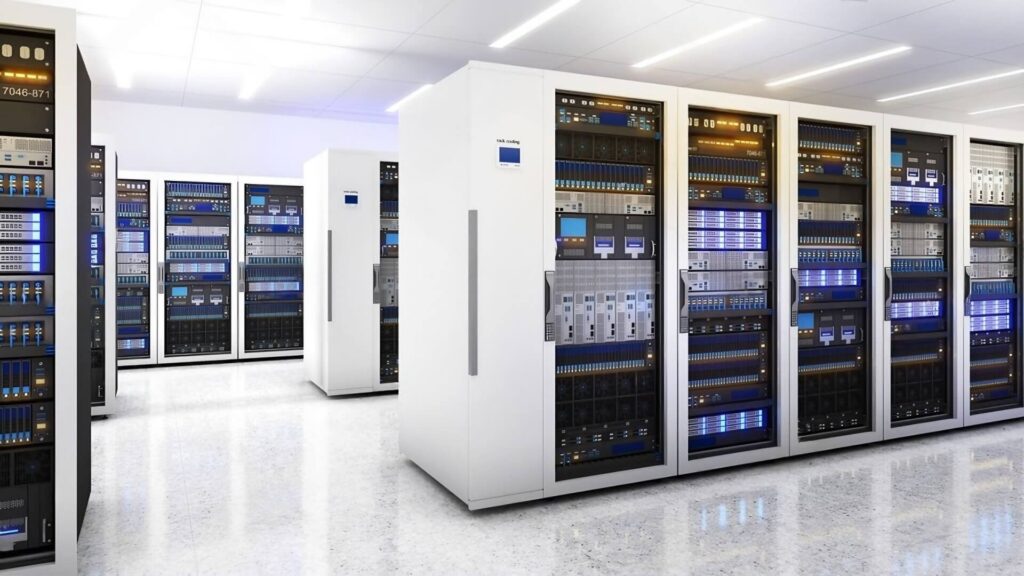
Okay, we’ve covered the theory. But what does this look like in the field? Let’s walk through three common job sites and see which metal wins.
Data Centers and Critical Infra
Winner: Copper
When millions of dollars of data are on the line, you don’t cut corners. Data centers are packed tight with servers, cooling units, and cables. Space is premium real estate.
Copper busbars carry massive current in a slim profile, saving valuable floor space. More importantly, copper connections are rock solid. They don’t loosen up easily over time, reducing the risk of a power outage. In mission-critical zones, reliability always trumps cost.
Solar Farms and Wind Turbines
Winner: Aluminum
Imagine a solar farm stretching for miles. You need to move power over huge distances. Here, the sheer volume of metal required makes copper wildly expensive.
Aluminum is the hero for renewables. It’s cheap and light. When you are mounting heavy equipment 300 feet up a wind turbine tower, shedding 70% of the busbar weight makes installation safer and easier. The cost savings on a project of this scale can be massive.
Marine and Coastal Areas
Winner: Copper
Saltwater is brutal. If you are building near the ocean, on a ship, or even in a chemical plant, aluminum is a risky bet. Salt mist eats through aluminum oxide layers quickly, leading to corrosion and failure.
Copper naturally resists this corrosion. It forms a protective patina (that greenish layer you see on old statues) that shields the metal underneath. For harsh, salty environments, copper is the only safe choice.
You now have a clear idea of which metal fits your industry. But before you finalize your design, let’s verify a few technical details regarding upgrades and safety
FAQ: Common Questions on Busbars
You might still have a few burning questions. Here are the top three concerns electricians and engineers ask us.
Can I swap copper for aluminum in an existing panel?
Yes, but be careful.
Remember, aluminum carries less current per square inch. If your panel is rated for 200 amps with copper bars, you can’t just swap in same-sized aluminum bars. They will overheat. You need to verify that your panel has the physical space to handle larger aluminum bars.
Does aluminum get hotter than copper?
Not exactly.
Both metals heat up as current flows through them. But aluminum has higher resistance, so it generates more heat for the same size bar. To fix this, we simply use larger aluminum bars. A properly sized aluminum busbar runs just as cool as a copper one.
Is it safe to mix copper and aluminum busbars?
Only if you do it right.
Never bolt them directly together. As we discussed, they will corrode each other. Use a bimetallic connector or washer to create a safe buffer zone. If you skip this step, you are asking for a fire.
Whether you choose copper for its reliability or aluminum for its cost savings, the secret is in the details. Respect the material properties, follow the installation rules, and your system will power through for decades.
Conclusion
There is no perfect metal, only the perfect metal for your project.
If you have the budget and need durability in a tight space, Copper is your best bet. If you need to save weight and cut costs on a massive scale, Aluminum is the smart choice.
But remember, picking the material is only half the battle. You still need precise cutting, bending, and punching to make those busbars fit your system perfectly. A bad fabrication job can ruin even the best materials.
This is where ShincoFab can help.
We specialize in custom sheet metal fabrication. Whether you settle on heavy-duty copper or lightweight aluminum, we can handle the precision work to ensure your components meet your exact specifications.
Stop guessing and start building. Contact ShincoFab today to discuss your next project.